

Archive
component:what.competencies

What is Mastery Learning?
By Scott Ellis. Today, through technology, tools, and expertise, we have the ability to scale mastery learning at a national level. The question is: will we choose to do it?

Does Mastery Mean Mastered?
Ask a teacher, “How do you know your students can add fractions?” Ask a project manager, “How do you know if team members are really collaborating?” It is challenging to define competencies that are clear and signal important priorities without being oversimplified. Assessing and tracking skills is complicated. In a…

Four Emerging Trends in Learning
Imagine going to school in a museum and studying real artifacts. Imagine a sustained relationship with an advisor who helps you figure out what you’re good at and care about, and where you can make a difference. Imagine high school students designing practical solutions to community problems. Visit an innovative…

Tips for Successfully Implementing SEL
By: Kristen Kopczynski. While incorporating SEL skill development in schools is not always easy, it's just as essential to students' success in the future.

Developing Skills for School, Work and Life Requires a Systematic Approach
Current research demonstrates that all learners develop college and career skills in a wave pattern that ebbs and flows, but constantly pushes forward to higher levels of expertise. David Ross explores this and other skill development models.

How Educators Can Prepare for the Future of Work
How do we prepare teachers so that they can, in turn, best prepare the students for the future of work? Rachelle Dene Poth shares thoughts on how educators can prepare themselves for the future through continuous learning.

OECD Learning Compass 2030 Provides Teachers, Students, and Employers with Milestones for Workforce Success
OECD Future of Education and Skills 2030 used inputs from policy makers, researchers, school leaders, teachers and students from around the world to create Learning Compass 2030, which aims to build a common understanding of the knowledge, skills, attitudes and values students need in the 21st century. We analyze the report and provide guidance on how this will impact teaching and learning for the next decade.
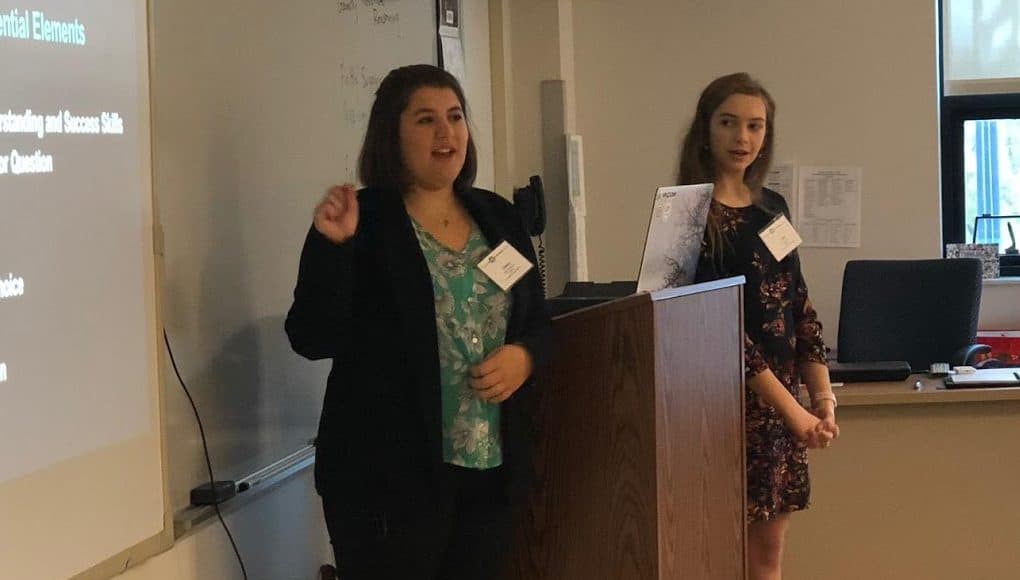
The Future of Work: How Do We Prepare Our Students?
Acknowledging that today’s students will need a variety of 21st century skills upon entering the future workplace, Rachelle Dene Poth explores five types of learning experiences that facilitate the student learning process.
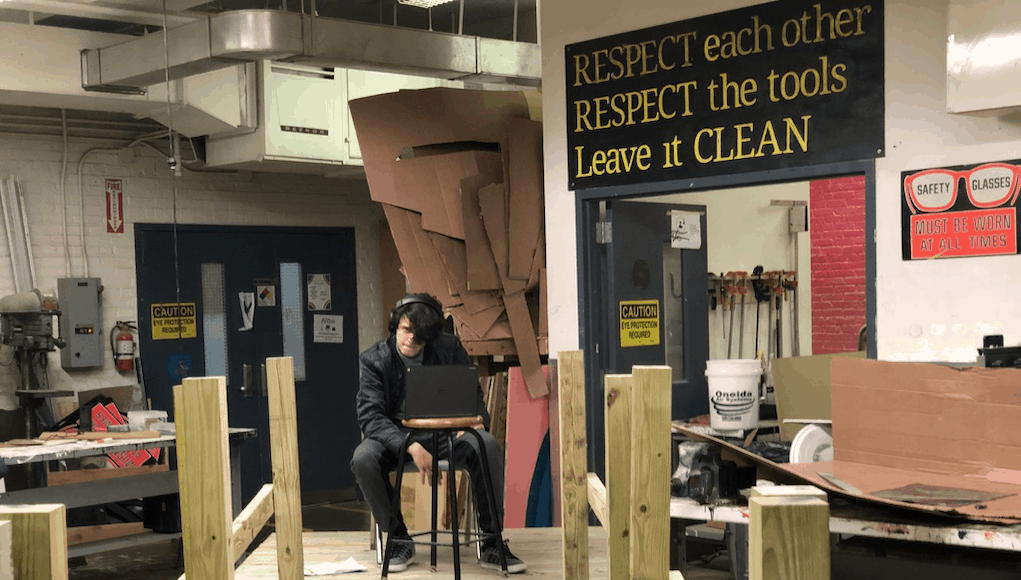
Organizing Your School As A List Of Courses Doesn’t Work for Learners
A list of courses will not help young people (in high school or college) find and begin to make their unique contribution. It’s time to move beyond the historical structures and practices what we inherited in education and start doing the right thing for kids.
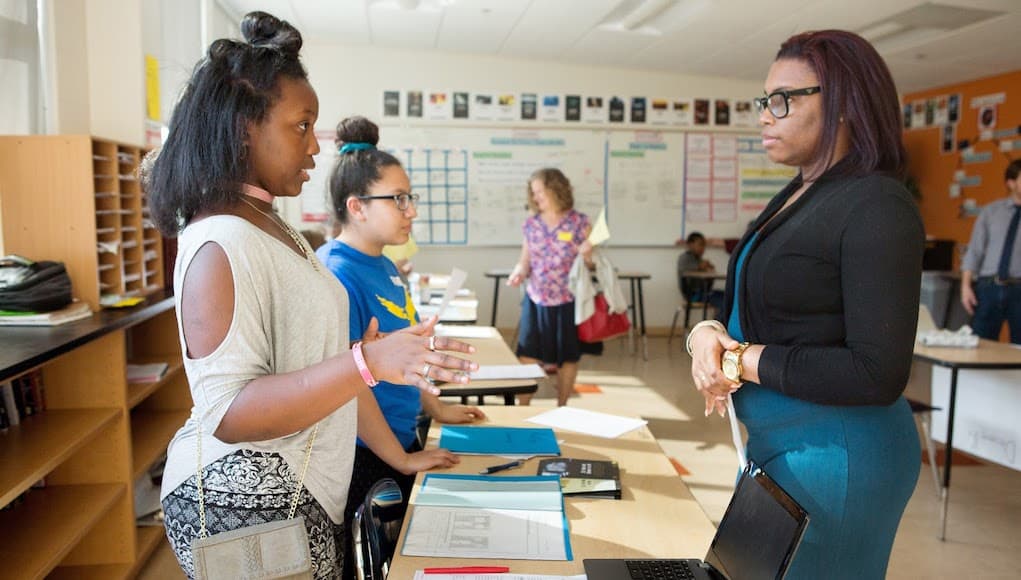
Expanding Our Notion of Student Agency
Student agency from a sociocultural perspective has as much to do with external factors that shape experiences and possibilities as it does with internal attributes. Read more from one of our regular columnists on why it's time to expand our notion of student agency.