

Archive
component:what.competencies
Non-cognitive Skills: Bad Name, Really Important
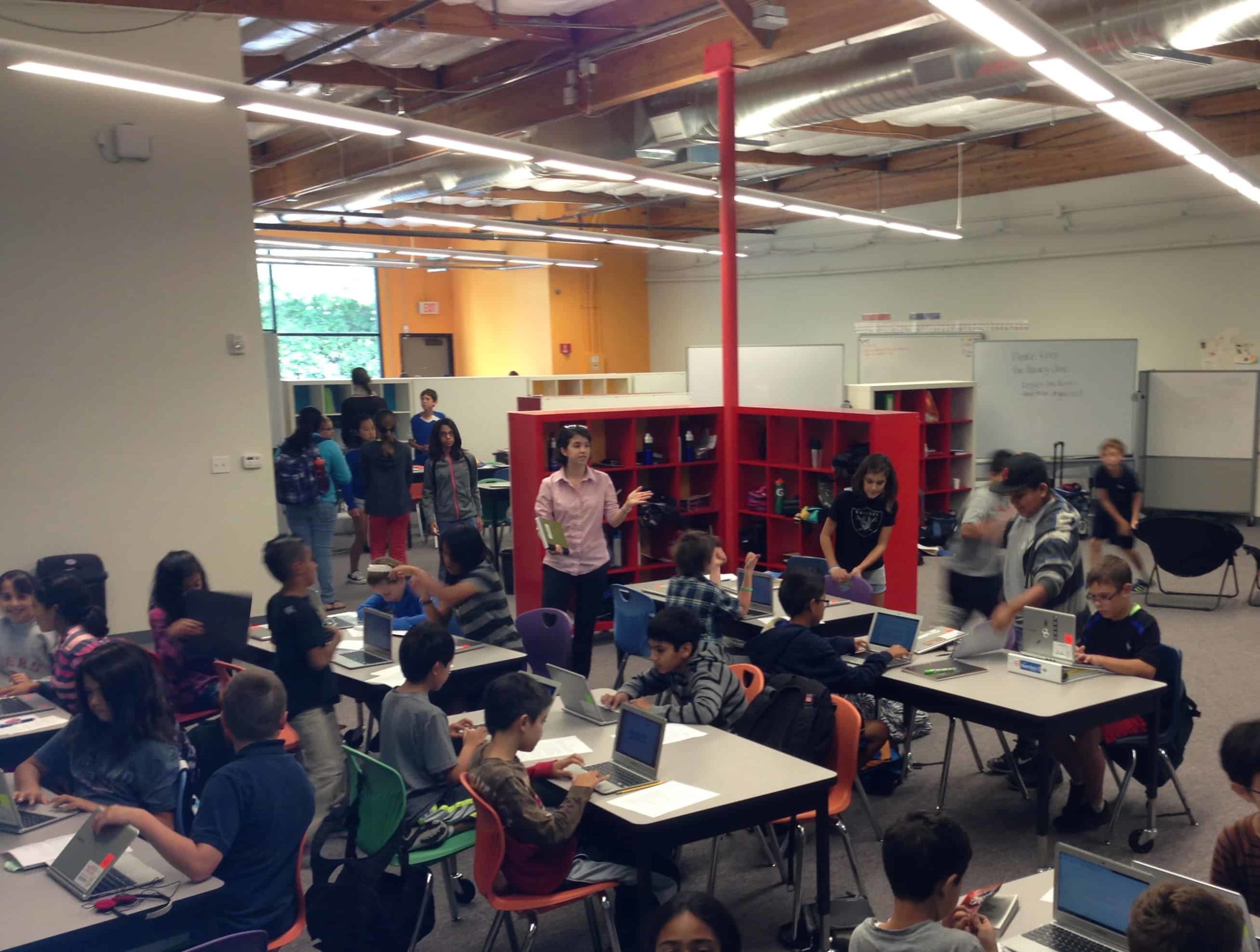
Two recent reports point to the importance of so called non-cognitive skills to success in college and work. A University of Chicago literature review funded by the Lumina and Raikes foundations said, "Students must develop sets of behaviors, skills, attitudes, and strategies that are crucial to academic performance in their classes."
Integrating Career Technical Education with Competency-Based Education
Insights from Building a Strong Relationship between Competency-Based Pathways and Career Technical Education--a report from Achieve and NASDCTEc that identifies opportunities for collaboration, integration, and strengthened relationships between CBP and CTE leaders.

Sage Advice From a HigherEd Veteran: Getting a Head Start on Finding the Right College
By: Richard Ferguson. Parents, teachers and students themselves will find this list by Richard Ferguson, former CEO of ACT, about the importance of finding the right fit for college.
Success Takes Agency, Identity, and Competency
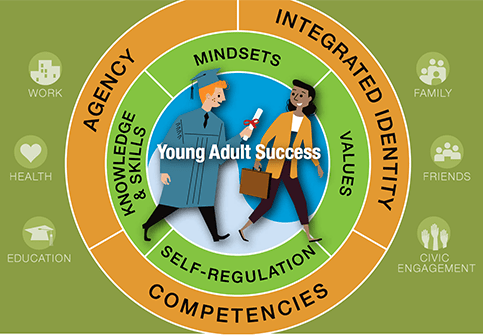
Young adult success requires agency, an integrated identity, and competencies. Drawing on research from many fields, theory and practice to identify building blocks for life success, The University of Chicago Consortium on Chicago School Research developed a framework for youth development.

The End of the Big Test: Moving to Competency-Based Policy
The use of assessment pilots and innovations zones where groups of schools apply and become authorized to operate alternative assessment systems will soon replace the frustration surrounding NCLB and end of year tests.
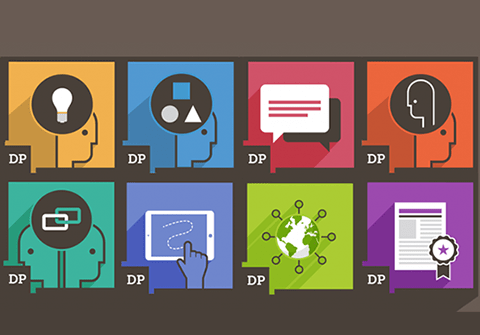
6 Categories of Deeper Learning Skills for Education Leaders
By: Karen Cator. It's essential for education leaders at all levels to understand, articulate and model deeper learning skills. The role that micro-credentials play when it comes to teacher expertise in deeper learning skills and ways education leaders can develop their skills in six different areas.
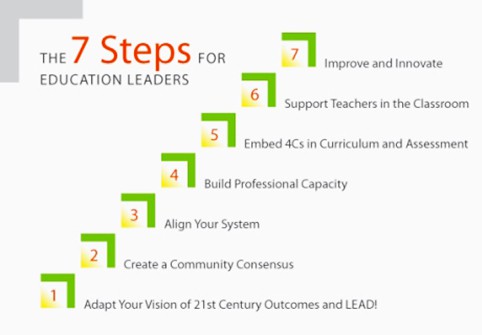
EdLeaders for the 21st Century
What do education leaders of the 21st century look like? They embody the same 4 C's that are also critical for students to build their 21st century skills: creativity, collaboration, critical thinking, and communication. 21st century ed leaders use the 4 C's to problem solve, provide visionary leadership, and transform schools and institutions.

What Should High School Graduates Know And Be Able To Do?
Students and community members deserve a more compelling and complete set of goals and metrics. It remains challenging to describe the aims and measures of a rigorous well-rounded education. Here are some examples of schools and districts setting the bar beyond basic reading, writing, and math.

CompetencyEd And Why Everyone Should Learn To Code
By: Melinda Barlow. Why competency-based learning models and learning to code promotes dynamic and flexible exchanges and enables students to think and function in ways that supports greater opportunities for careers.
8 Noncognitive Competencies for College and Career Readiness
Schools designed to cultivate noncognitive competencies are helping all students prepare for success in college, career and life.