


Archive
component:how.instruction-and-facilitation

Focusing on Feedback: A Conversation with Amy Tepper and Patrick Flynn About Supporting Educators During Distanced Teaching
By: Adam Geller. Educational coaches and co-authors Amy Tepper and Patrick Flynn share their expertise on organizational change and the feedback process.
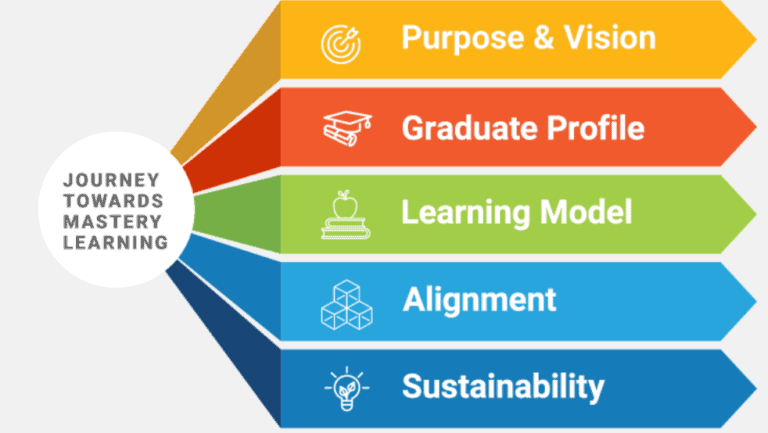
Finding Your Entry Point to Mastery Learning
Chris shares two questions and two resources to help find your entry point to mastery learning.

The Role of Student Roles
Michael discusses how creating relevant real-world opportunities allows students to enhance their skills, resumes, and portfolios.
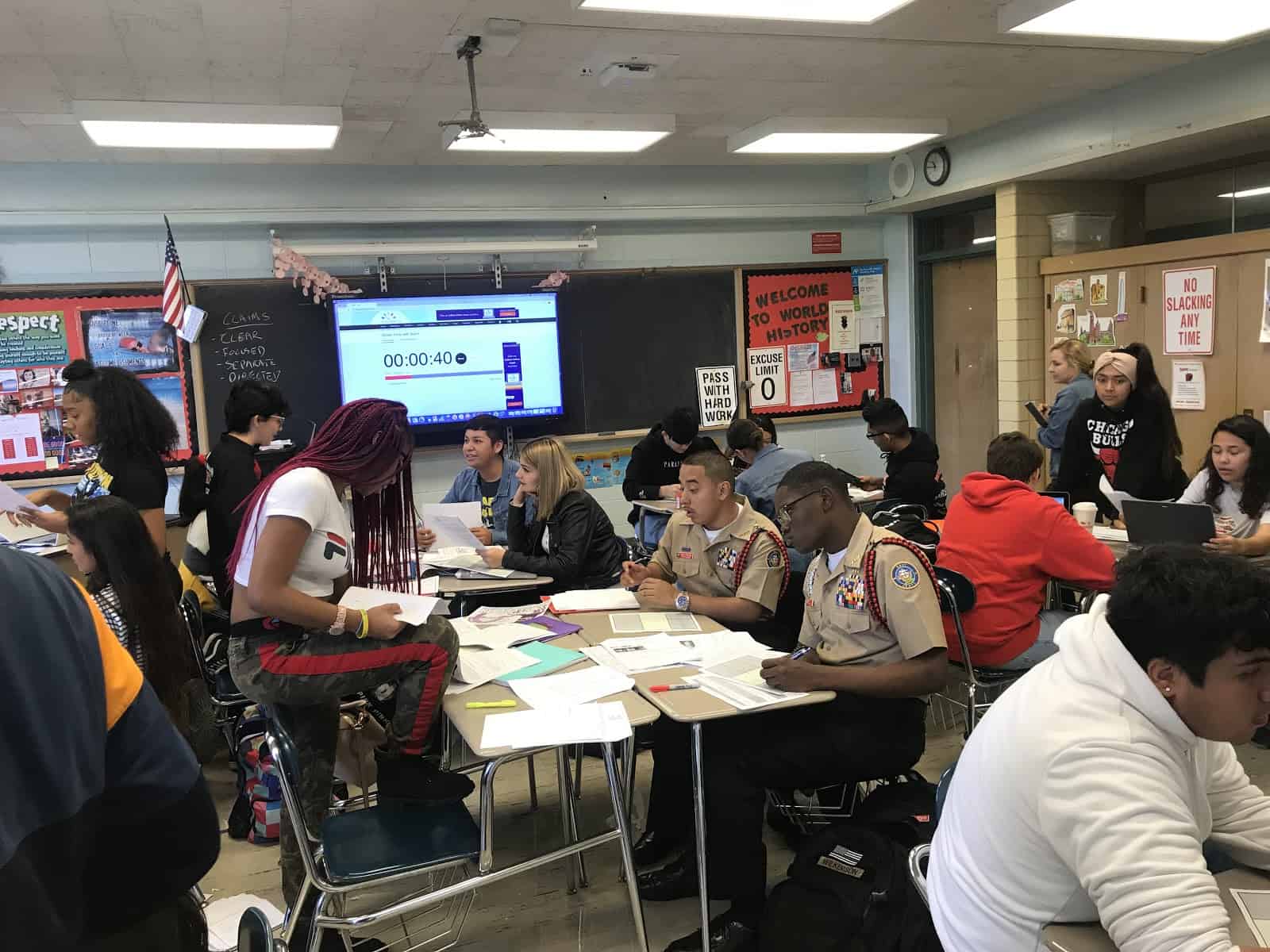
Arguing for Agency: One Student-led Classroom Debate at a Time
At LAB, they are applying an argument-centered approach to crucial issues in their students’ lives in order to educate and empower them.

Help Students Thrive in Remote Learning Environments with Formative Assessment
By: Amanda Vass. As students return to remote, hybrid, and in-person classrooms, Amanda shares strategies for incorporating formative assessment.
Learning Coach Academy: Supporting the Role of Parents or Guardians in Remote Learning
By: Heather Hiebsch and Cheryl Fenlason. Heather and Cheryl share hybrid, personalized, and blended learning tips to develop and support Learning Coaches to help students adapt - and even thrive - in this uncertain educational landscape.
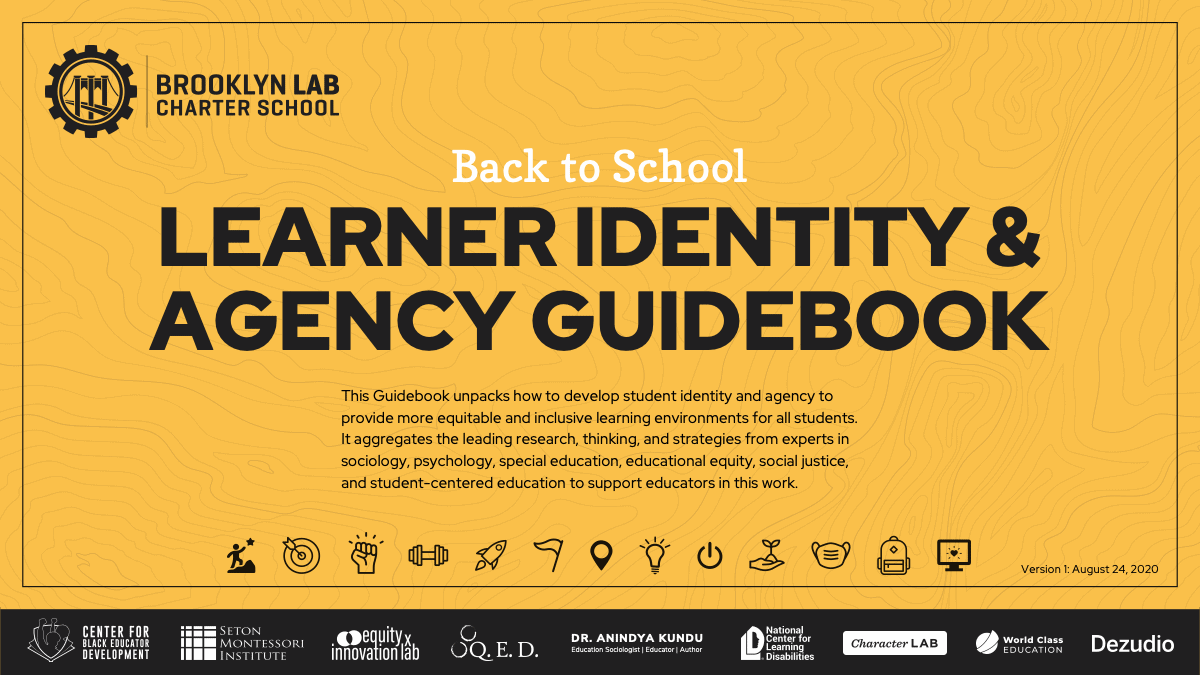
How Schools Can Help Cultivate Learner Identity and Agency
The Brooklyn Laboratory Charter Schools team shares how educators can cultivate opportunities to develop a strong sense of identity and agency.

Mastery Learning in Action
Mastery Learning in Action, a paper recently published by the Mastery Transcript Consortium, offers a comparative structure based on visits and interview from five of its member schools.

How the Research on Learning Can Drive Change
Chris talks about concepts that research has uncovered about how we learn and how those can be used to drive change.

Voices from the Field: Best Practices
By: Erin Gohl and Kristen Thorson. We can support our teachers and the work they do by valuing their perspective and insights, providing them with the resources specific to their students’ needs, and giving them the autonomy to respond to the variations in learning and circumstance within their classrooms.