

Archive
component:how.instruction-and-facilitation

Where Lifelong Skills and Curriculum Meet
By: Tynetta Harris. Focusing on the development of 36 cognitive skills is the key to deeper, lifelong learning and post high school success.
Building a Learner Variability Mindset
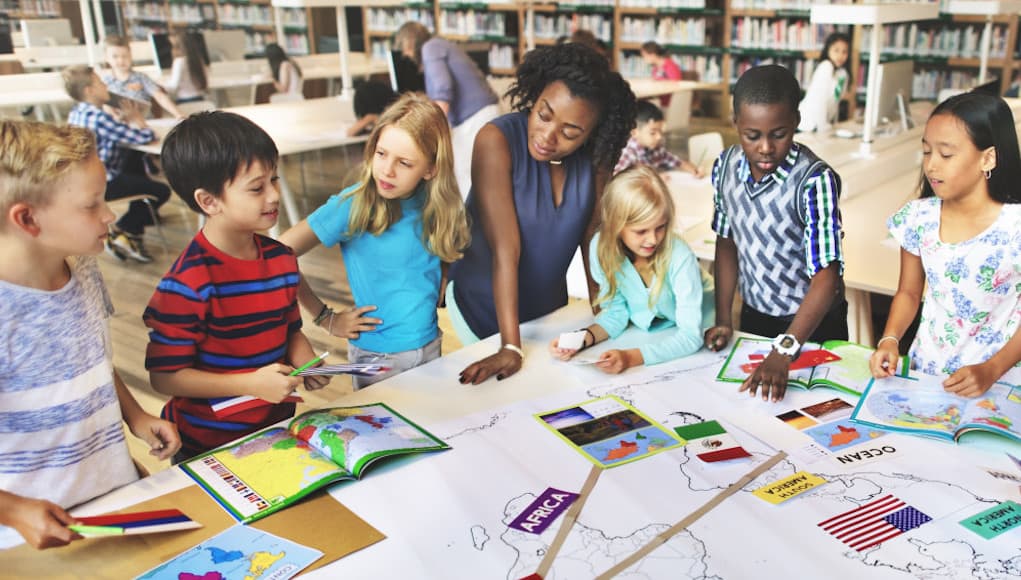
By: Tiffany Wycoff. LINC's Co-Founder and Chief Innovation Officer explains that to build a learner variability mindset, we must implement a new equation for teaching that includes strategically planning for variability beyond skill level.
Never Too Young to Be An Activist
By: Liz Pitofsky. Service Learning Project (SLP) explains how they engage youth in organizing projects to solve problems in their schools and communities.
What Makes an Effective Classroom Coaching Program?
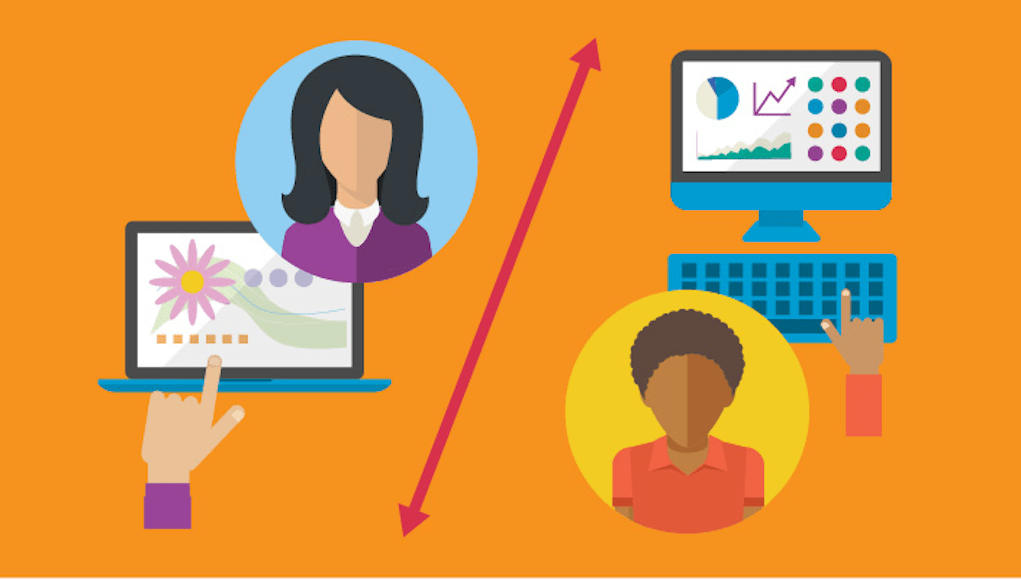
By: J. Schuler et al. These five components make for a strong classroom coaching program facilitating your teachers’ professional development.
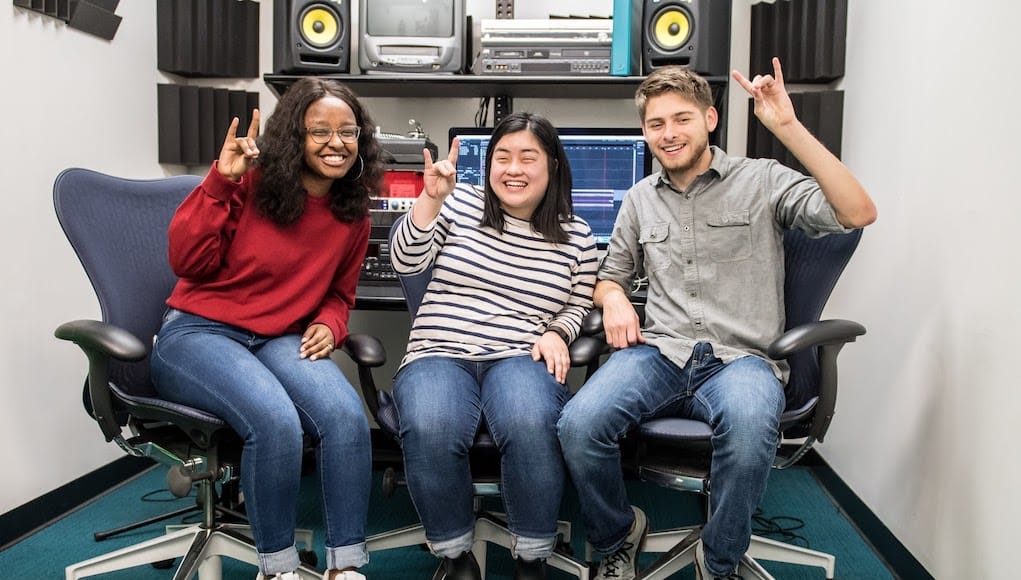
Centering Dialogue in the Classroom: It’s about WE, not ME!
By: M. Kokozos et al. Through enabling dialogue, educators shift their classroom climate from one of competition to one of cooperation, respect, authenticity and openness.
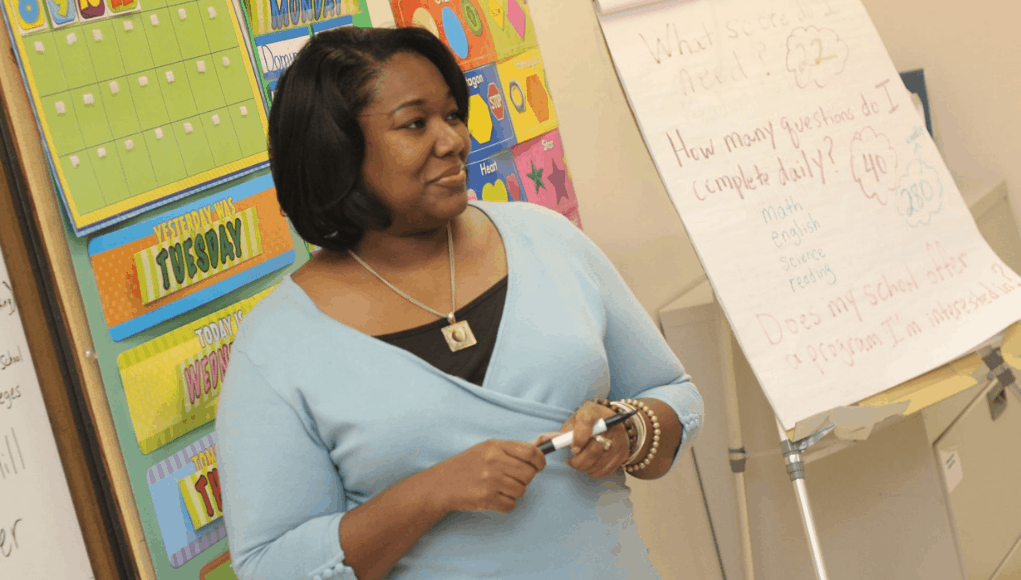
5 Ways to Make All Students Lead Learners
Teaching is the highest form of learning. Yet many students never have the opportunity to become lead learners where they learn at the highest level by having the responsibility of teaching others. Check out five ways all educators can expand the opportunity for all students to learn at the highest level by all becoming teachers.
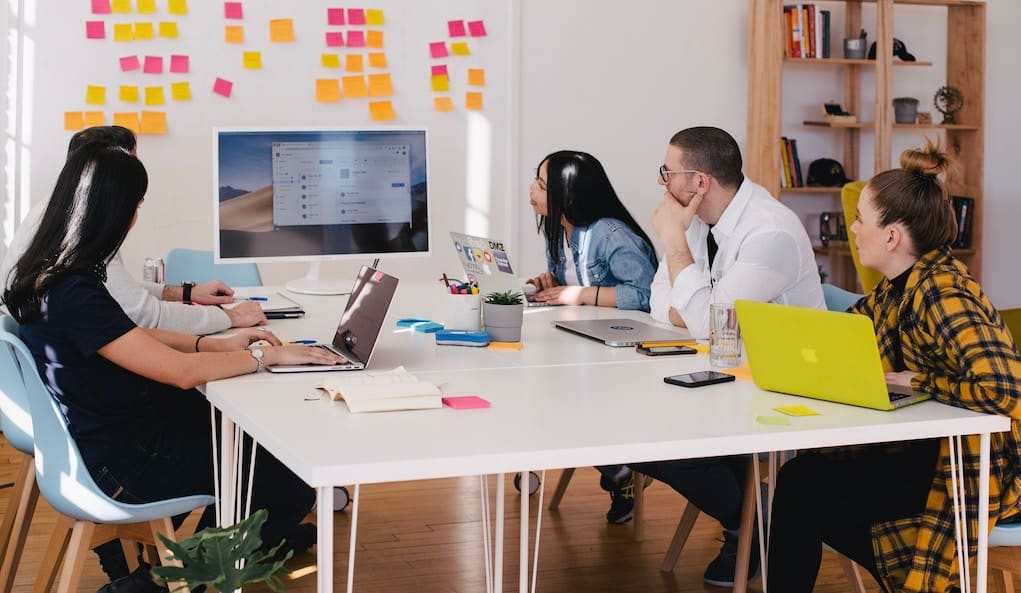
Using Design Thinking with Districts to Improve Formative Assessment Practice
By: Kate Sullivan Frades & Brinnie Ramsey. Improving formative assessment practices through design thinking can prove to be a productive challenge in school districts with well-established policies.

Metacognition and Why it Matters in Education
What is metacognition and why does it matter in education? Discover ways to promote metacognition in learning.

Strategize for Preferred Futures of Learning Today
By: Katherine Prince. The next decade promises to deepen the impacts that smart machines and the code that powers them have already begun to have on human activities and relationships. Social, economic, and environmental changes will interact with technological developments to place increasing strain on our institutions and on our…
Developing Skills for School, Work and Life Requires a Systematic Approach
Current research demonstrates that all learners develop college and career skills in a wave pattern that ebbs and flows, but constantly pushes forward to higher levels of expertise. David Ross explores this and other skill development models.