


Archive
component:how.instruction-and-facilitation

How Educators Can Prepare for the Future of Work
How do we prepare teachers so that they can, in turn, best prepare the students for the future of work? Rachelle Dene Poth shares thoughts on how educators can prepare themselves for the future through continuous learning.

Serving Students With Special Needs: Five Key Values We Instill in Our Leaders
By: Toni Barton. One graduate school of education shares how they work with leaders to incorporate five values that they've found make a powerful difference in empowering exceptional special education learners.
How Teachers Can Be Their Own Best Coaches
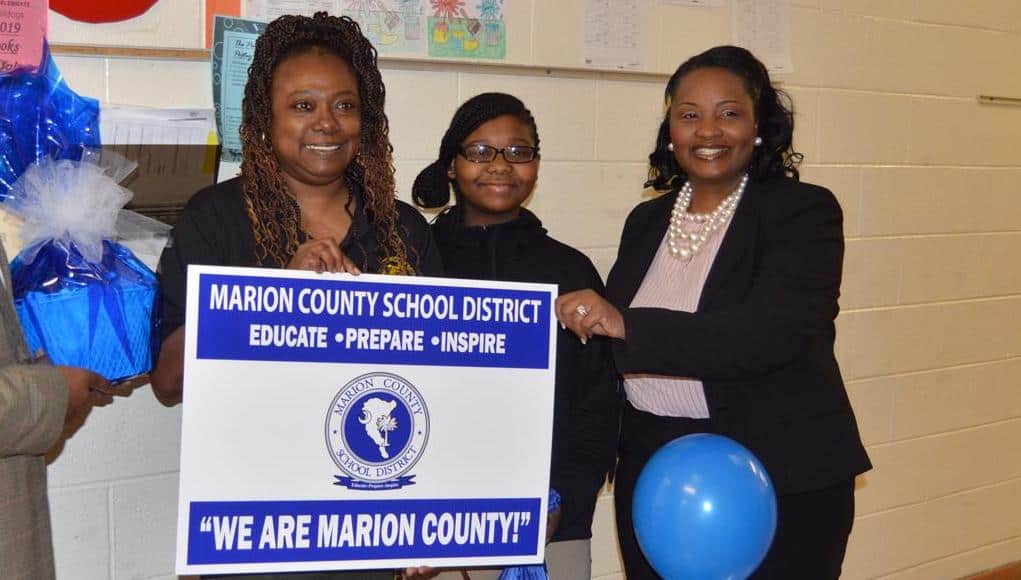
By Dr. Kandace Bethea. Dr. Bethea a Superintendent in a rural school district discusses how she has retained teachers by building a culture of positive and creative self-reflection using video.

Guided Pathways and Meta-Majors
David Ross discusses how guided pathways and meta-majors programs are being adopted in community colleges and four-year universities and showing broad-scale benefits of such support.

Podcast: Exploring Inquiry with Kimberly Mitchell
By: Getting Smart Staff. On today's podcast, Kimberly Mitchell speaks about her new book, Experience Inquiry: 5 Powerful Strategies, 50 Practical Experiences, that explores five strategies any teacher or parent can use to promise inquiry and curiosity.

Platform Skills Tighten Focus on Effective Communication
David shares his excitement around the development of platform skills in the education sector and outlines five key platform skills to enhance PBL frameworks and improve a students’ ability to effectively communicate for a purpose and to a target audience.

5 Classroom Strategies to Support Multimodal Learning
Kiara Lewis describes why she uses creative strategies to include multimodal learning methods in her classroom to serve her students that have a combination of the learning styles.

Teacher Reflections on Practicing Student-Driven Formative Assessment
By: Barbara Jones. Three teachers' daily formative assessment-driven practices of transparency, modeling and support enable them and their students to shift mindsets towards greater shared responsibility for learning.
How School Administrators Can Support and Promote Formative Assessment
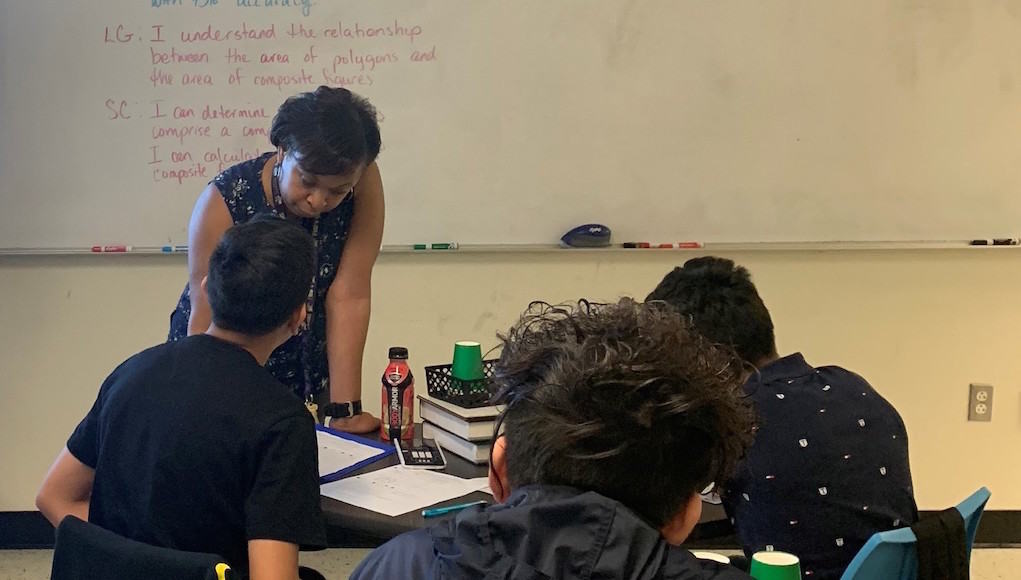
By: Susan Villani. As teachers develop formative assessment-focused lesson plans and structures that enable students to increasingly become responsible for their own learning, administrators must give teachers the support and flexibility they need to rethink their approach.

6 Ways Administrators Can Prove the Efficacy of Digital Tools
By: Eric Sheninger. For change to really be embraced by all stakeholders, it is critical that we don’t just tell, but also show that improvement is occurring. Accountability matters, and is a reality in our work.