


Archive
component:how.instruction-and-facilitation

Engaging Students: Movement Through Games and Music
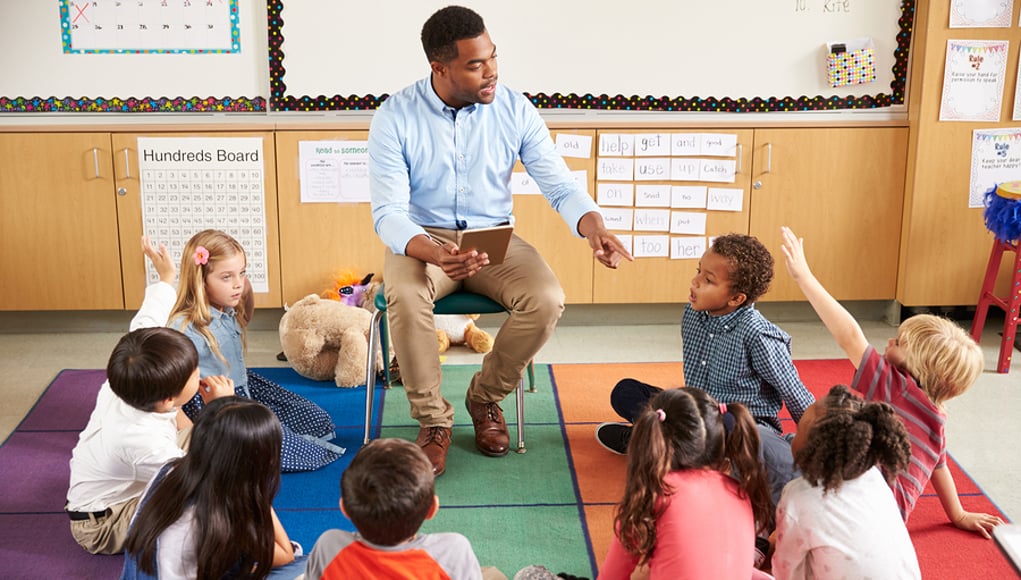
With a greater focus on flexible learning environments, and educators looking to promote student choice and voice, the perception of “what classrooms look like” has changed, and continues to evolve into a more active learning space--a place where students are empowered.
How Can We Truly Meet Students Where They Are At?
Competency-based education is a system of instruction where students advance to higher levels of learning when they demonstrate mastery of concepts and skills. In this setting, learning doesn’t rely on time, place or pace.

Combining Inquiry and PBL: 3 Guidelines for Success
By: Kelsey Bednar. In my experience supporting educators who are making the shift to PBL, I hear one challenge voiced more consistently than others: how do I facilitate student inquiry? Here are three tips to help you get started.

Next-Gen Advisory For Dropout Prevention
Advisory programs help students stay engaged in their learning process, develop agency and create a personalized plan for their education that will keep them in school and on the path to college, career and life success.

Education Evolving is Making Strides
Education Evolving recently released a set of principles of student-centered learning, a statement on education equity and a new paper titled Clearing Policy Barriers to Student-Centered Learning. Learn more here.

Research Illuminates the Path Forward for SEL
Given the abundance of attention being paid to Social, Emotional and Academic Development (SEAD) and Social and Emotional Learning (SEL) in general, it’s only appropriate that the path forward be guided by research.

PBL for Equity & Inclusion of Students with Disabilities
By: Ace Parsi. How do we respond to struggling learners, including those with disabilities, when they just can’t seem to get it? The unfortunate fact is that we too often double down on ineffective “skill and drill” approaches that fail to engage them. PBL can help.

Accelerating Disruption in Schools
By: Marie Bjerede and Michael Gielniak, Ph.D. Today’s schools continue to be asked to prepare students for jobs, but the jobs have changed. It's time to accelerate the kind of disruption in schools that will change status quo and help students prepare for the future.

4 Ways We Can Fund Personalized Learning to Create More Equitable Schools
By: Ace Parsi and Bryant Best. Budget shortfalls in states are framing a new angle on educational equity conversations. It is no longer simply about what is right, but what is fiscally necessary for a state to grow and thrive.

Better Formative Feedback: Work Worth Doing in a Place Worth Being
While everything about a learning environment may provide formative feedback to students, not everything qualifies as formative assessment. Here is what we do know about what formative assessment is and how it works.