


Archive
component:how.design-principles

Voices from the Field: Best Practices
By: Erin Gohl and Kristen Thorson. We can support our teachers and the work they do by valuing their perspective and insights, providing them with the resources specific to their students’ needs, and giving them the autonomy to respond to the variations in learning and circumstance within their classrooms.
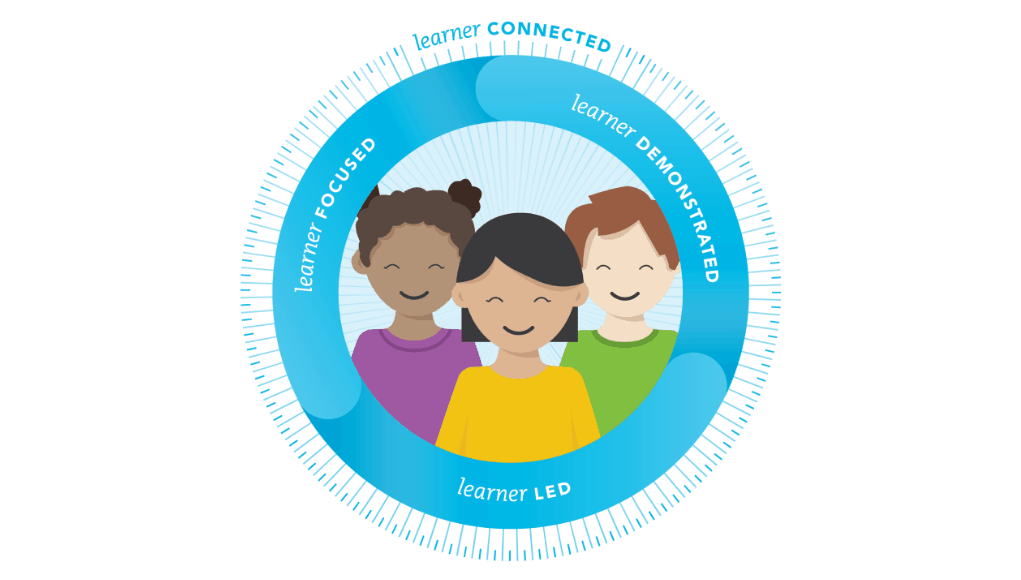
LEAP Innovations 2020 Framework
Informed by their collective networks’ key learnings and lessons, LEAP Innovations updated their Personalized Learning Framework for 2020.

Market Your School With Design Thinking: Best Practices For Ideation
Ideation and brainstorming are practices used by nearly every business and organization. These tips make it a more effective and varied experience.

Using Design Thinking with Districts to Improve Formative Assessment Practice
By: Kate Sullivan Frades & Brinnie Ramsey. Improving formative assessment practices through design thinking can prove to be a productive challenge in school districts with well-established policies.

Future Trend: Designing Schools for How Humans Learn
Schools should not only prepare students for active participation in a networked, global economy, but also for lifelong learning. To do this, there are five critical concepts when planning instruction design for the future to consider.

What is Mastery Learning?
By Scott Ellis. Today, through technology, tools, and expertise, we have the ability to scale mastery learning at a national level. The question is: will we choose to do it?

Solution Design: Mindsets, Practices and Systems
Adam Kulaas kicks off the first in a series of blogs that will explore the pitfalls and celebrations associated with designing large and small scale solutions. With emphasis on starting with self assessment and reflection, join him as he delivers a map to designing the future of learning.

Getting Started with Design Thinking
The Getting Smart Staff has assembled articles, podcasts and case studies to help you and your community get started with design thinking.

How User Design Can Impact Engagement and Learning for K-12 Students
By: Danielle Reid. Daniel shares how user interface (UI) design and, more broadly, user experience (UX) design – can be the deciding factor for the level of impact an education application or platform has on a student, particularly in the K-12 market.

6 Ways Administrators Can Prove the Efficacy of Digital Tools
By: Eric Sheninger. For change to really be embraced by all stakeholders, it is critical that we don’t just tell, but also show that improvement is occurring. Accountability matters, and is a reality in our work.