

Archive
component:for-whom.reports
Smart Review: Texthelp Launches WriQ for Writing
By: Rachelle Dene Poth. Rachelle explores WriQ and how the platform promotes the development of student writing skills.

It’s Not About The Grade, It’s About the Growth: 5 New Mindsets for Hybrid Assessment
While the pandemic has had its roadblocks, it has provided dynamic learning experiences that allow for continual feedback and iteration, voice and choice, reflection, and opportunities for continual growth.

How to Take Responsibility for the Future of Education
By: Thomas Hatch. We must hold our communities accountable for making the changes in our society and education that we want to see and create equitable educational opportunities.
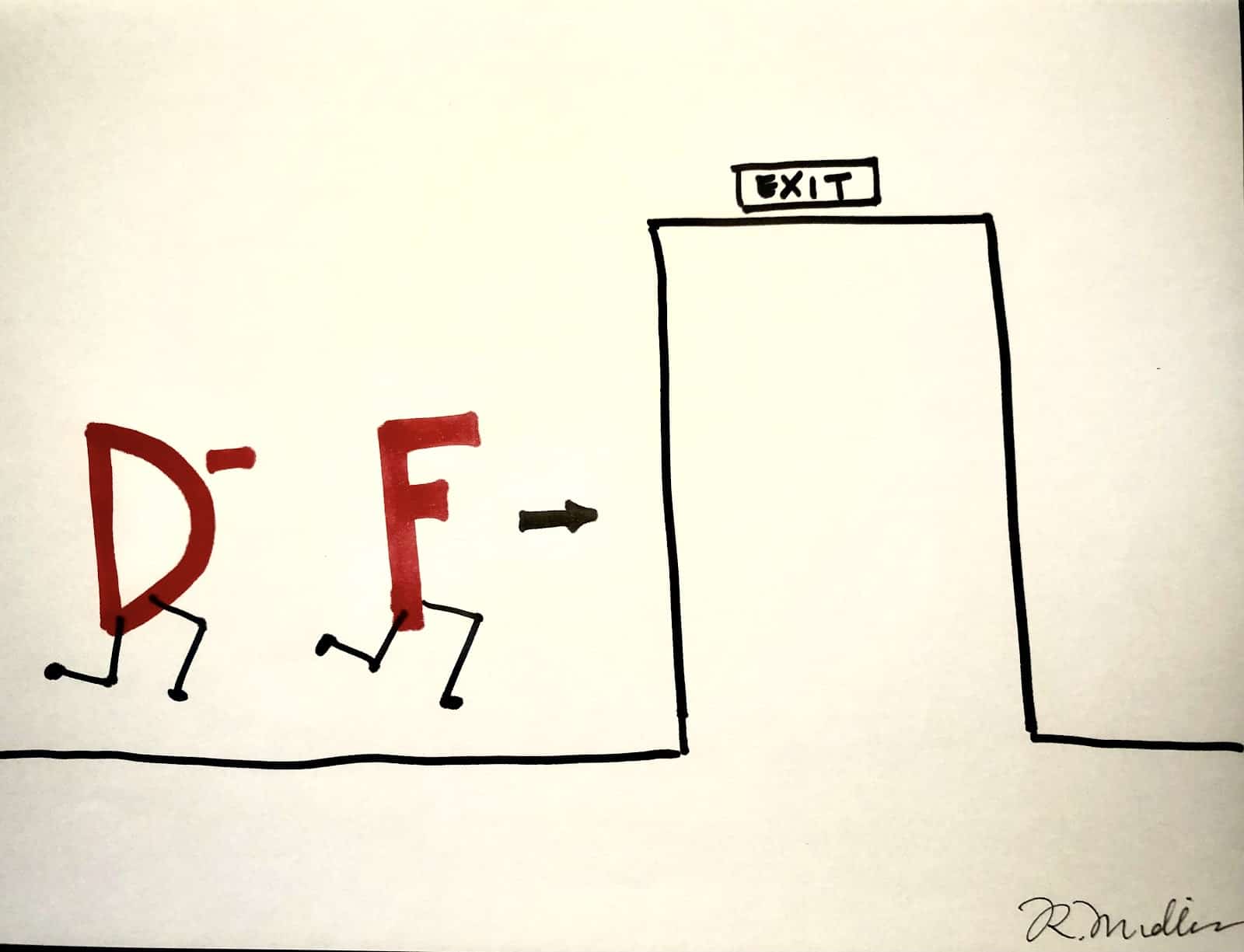
Get the F Out
The pandemic has created new opportunities for how to define success for our students. It starts with getting rid of the "F".
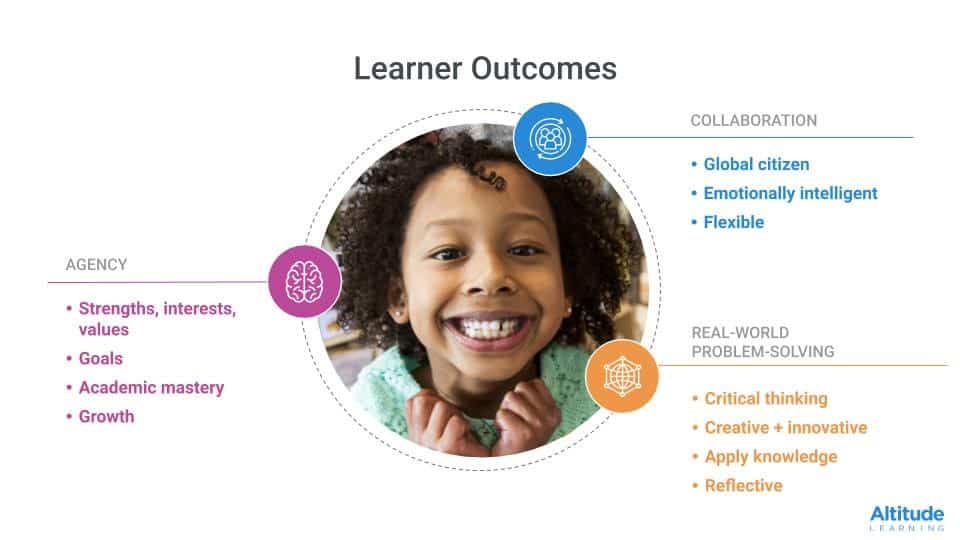
Human Work: Learn Stuff Computers Can’t Do
Learning design should be centered around the broader aims of what students can achieve and how they can solve the biggest problems facing society.

Pandemic Opportunity: Rethink Education Accountability
Tom discusses what an updated accountability system may look like and what our school systems need to create equitable achievement.
ACT’s Next Act: Mosaic
Mosaic by ACT features an integrated suite of learning tools and marks continued organizational transformation.

Meet the Culture Hackers: Microcredentials Aren’t Just for Students
By: Robert Thornton. Harmony Public Schools takes a competency-based approach to professional learning by awarding microcredentials to reinforce the skill-sets they believe are critical to success across a variety of roles within their system.

Help Students Thrive in Remote Learning Environments with Formative Assessment
By: Amanda Vass. As students return to remote, hybrid, and in-person classrooms, Amanda shares strategies for incorporating formative assessment.

Mastery Learning in Action
Mastery Learning in Action, a paper recently published by the Mastery Transcript Consortium, offers a comparative structure based on visits and interview from five of its member schools.