

Archive
component:for-whom.reports

Google Glass: Really Promising or Not So Much?
We reviewed all the proposed applications we could find and rated them Really Promising (RP) or Not So Much (NM). Here’s our list of applications and ratings:
Consortium Points the Way on Proficiency-Based Learning
"David is a great resource for our region," said Nick Donohoe of the Nellie Mae Education Foundation, NESSC's primary benefactor. "He has a forward-thinking view of where learning needs to go, related to policies and assessment in particular," and he's particularly good at "summarizing 'edu-ese' for state legislators and local school leaders."

10 Elements of Next-Generation K-12 Systems
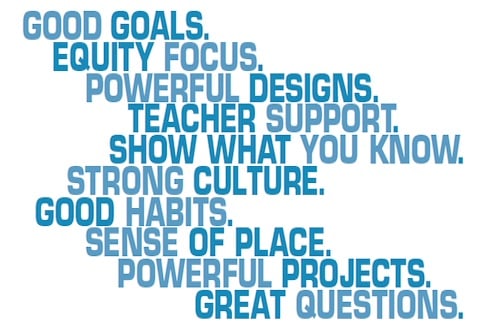
Next generation systems--across a state or region--will share ten elements: goals, standards, a focus on personalized learning, assessments, talent development, authorizing, data systems, accountability, funding, connections, and supports.
Next-Gen Schools Thriving in Detroit
Getting Smart isn’t new to sharing good news from Detroit, but recently, as part of a joint trip with Next Generation Learning Challenges (NGLC) and CEE-Trust, a couple members of our team were lucky enough to return to the city.
Deeper Learning: For Every Student Every Day
As a preview to the paper, we’ve released the Executive Summary which offers a map of profiled school locations, a deeper dive into the six Deeper Learning competencies and ten practices that promote Deeper Learning. For more on Deeper Learning make sure to check out the infographic released this fall that complements the paper’s themes.
Data Quality Campaign Releases “Data for Action 2013”
Join The Data Quality Campaign (@EdDataCampaign ) and key partners today, November 19 at 2:00 p.m. EST for a Twitter Town Hall, using the hashtag #DFA2013 to discuss the results of the 2013 report. Everyone will have the opportunity to pose questions about the reports findings and can ask the experts about your state's analysis.
Pearson Implements Efficacy Frame & Shares it With Sector
The Incomplete Guide to Delivering Learning Outcomes, authored by Sir Michael Barber, Pearson's Chief Education Advisor, and Saad Rizvi, SVP of Efficacy, "the report shares Pearson's 'Efficacy Framework', a review process designed to evaluate and improve impact on learning outcomes, and sets out the company's strategy, initiatives and insights in applying it."
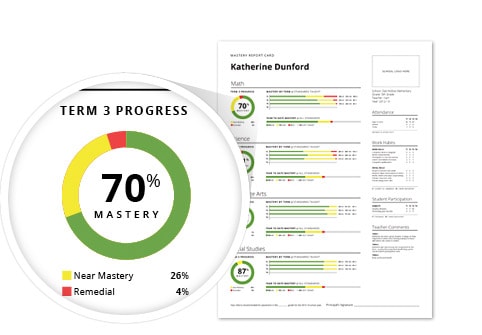
“Keep Your 3, I Want My A”: What’s Up With Standards-Based Grading?
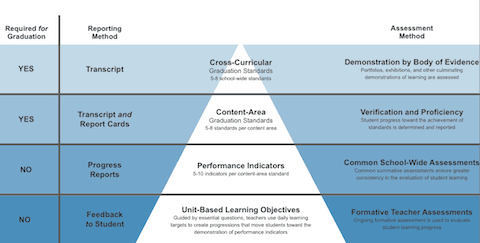
Traditional grading systems are inconsistent, subjective, more about effort than outcomes, and not closely linked to the big goal of college and career readiness. Standards-based grading is an effort to provide more accurate feedback on what students know and can do; it allows students to progress based on demonstrated mastery.
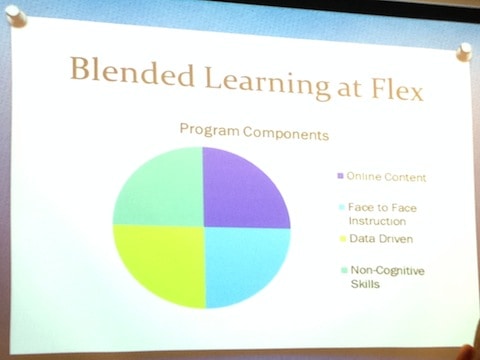
10 Best Practices to Enrich the Blended Learning Environment
After some great conversations, here are 10 important points to think about when implementing and creating blended learning spaces.
Hybrid Learning Showing Results, Achieving Scale in Pennsylvania
The network is showing promising results. The release below provides examples of progress being made by individual schools.