


learning design
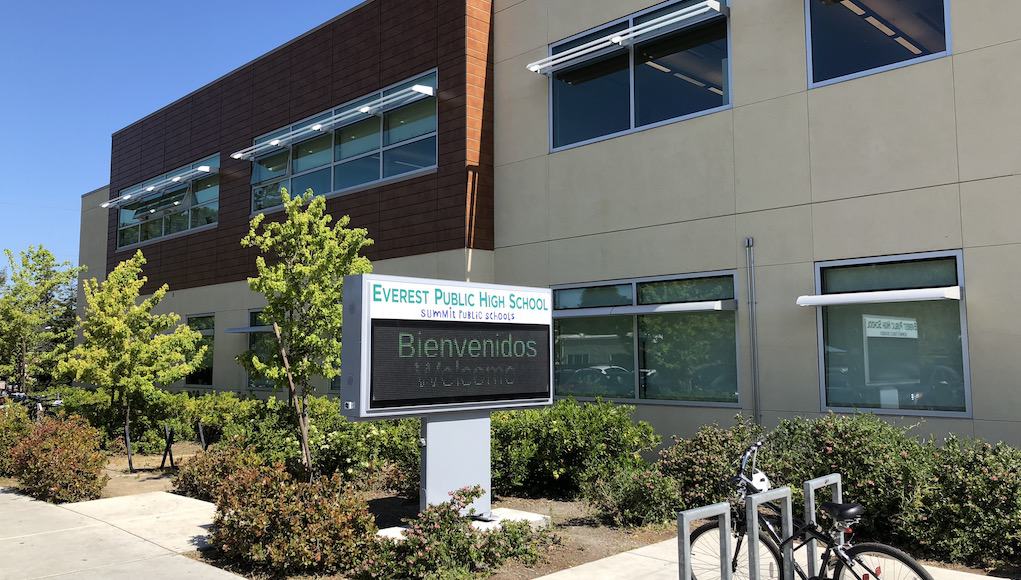
101 Top School and Charter Networks
School networks are one of the most important innovations in the modern era of U.S. K-12 education. This list recognizes 101 great school networks that have achieved scaled impact to improve education for millions of children.

Instruction-Driven Scheduling: Using Time as a Powerful Resource
By: Horace Williams and Melanie Pondant. Re-envisioning the resources available to our district opened up insightful opportunities to improve teaching and learning in our district without becoming bogged down in budget constraints. Learn more here.

Calibrating District-Level Innovation
By: David Adler. Research shows that professional development that builds cultures of practice must place a heavy emphasis on teachers collaborating and talking about their practices, beliefs, and attitudes. Here, we look at some good ways to do just that.

Because Being a “Good School” Isn’t Good Enough
By: Andrew Rubin. We instinctively tend to think that schools with big problems require major turnarounds, and that schools that operate smoothly and successfully - the typical “good school” - only need minor course corrections each year. The first part may be true. The second part isn’t.

School Design that Combats Nature Deficit Disorder
By: Ashley Flores & Lida Lewis. There can be a healthy balance struck between media intake and real-world engagement. This balance is much more likely to happen through intentional design. The good news is that there’s a simple design prescription for what ails: nature. “Biophilic design” focuses on bringing elements of nature—from literal plant and water features to more analogous and referential approaches—into our built environments.

School Networks: Getting Beyond the Technical
As soon as our network makes a partnership official with a new affiliate, the first question is typically: “When can we get a copy of your curriculum?” While this is flattering, it completely misses the larger point for why our network exists.

4 Ways to Build a Better Schedule
By: Erin Werra. Dr. Ashanti Bryant Foster once said, “A master schedule must be built with the same level of care and attention as a new home where a family will spend the next 20 years growing together.” No pressure, right?

Why True Equity in Learning Depends on Proactive, not Reactive, Design
By: Julia Freeland Fisher and Ace Parsi. Innovation is a process, and how we approach that process will inevitably influence our outcomes. If innovation efforts are not anchored in equity and inclusion at the forefront of their work, personalized models will replicate the results of the traditional system.

Designing the Classroom of the Future: Technology as a Force Multiplier
By: Caroline Vander Ark. It’s my mission to ensure that all students have access to high quality personalized learning options. Technology can help us get there faster and bridge the divide that too many students still face. The innovative use of technology allows educators to reconfigure the traditional K-12 classroom and redesign schools to create personalized learning solutions that better serve all students.

Shadow a Student: Reinventing the School Experience
The Shadow a Student Challenge is a journey that starts with seeing school through a student's eyes in order to identify opportunities to improve the school experience. It's not too late to sign up for the 2018 challenge--learn more here!