

EdPolicy

Kickin’ it old school and inventing the future
Most edreformers want the best version of old school for every student: talented teachers, high expectations, quality instruction, curriculum alignment, strong accountability, and enough standardized tests to verify all of the above. The problem is that it's really hard to pull off and scale. As Bob Wise has pointed out, digital learning is the solution to the teaching gap, the achievement gap, and the fiscal gap. Schools need to balance old school reforms while they phase in the future.
10 Findings That Will Shape Students Today for the Workforce Tomorrow
In the worst economy since the Great Depression, Californians are struggling to earn a living, get an education, and raise a family. How will we adapt to learn, work, and connect in the future? A new book with findings from Apollo Research Institute describes how businesses and workers will compete for jobs and opportunities in a global, technology-driven marketplace.

New England Schools Win $5M Grant to Develop Personalized High Schools
More than 1,300 applicants applied for the Investing in Innovation (i3) Program of the U.S. Department of Education and 30 will receive funding. Among them, The New England Network for Personalization and Performance (NENPP) received a $5 million grant to redesign and innovate a high school that prepares and motivates students for postsecondary success.
Can Entrepreneurship Be Taught?
Many people argue that entrepreneurship cannot be taught. They point to college dropouts like Bill Gates and Steve Jobs, and insist that the ability to break out on one’s own is intrinsic. It isn’t something that you can teach, develop, or hone through experience. It’s natural.
New Classrooms Innovation Partners Announces Plans to Personalize the Classroom
New Classrooms Innovation Partners (New Classrooms), a non-profit intended to help schools implement effective adaptive and personalized learning models, announced its launch today.
NewSchools Announces Early-Stage EdTech Fund to Accelerate Student Achievement
ewSchools Venture Fund today announced the creation of an Education Technology Seed Fund, a new initiative to invest in entrepreneurs developing education technology tools, applications, content, and services that will significantly improve education opportunities for children from low-income communities.
Key Predictions for the K-12 Education Sector in 2012
As William Gibson has noted, “The future is already here – it’s just not evenly distributed.” Innovative districts facing the challenges of the “new normal” will increasingly step forward to adopt some of the most promising edtech innovations of the last few years, turning early stage proofs of concept into large-scale solutions that hold promise for helping teachers be more efficient with every child.
Q&A: How Can We Increase STEM Opportunities for Special Needs Students?
The upcoming ABC Family movie, "A Smile as Big as the Moon," brings teacher Mike Kersjes and Joe Layden's moving memoir about one special education class to life. Mr. Kersjes, a special education teacher for more than 10 years, shares the compelling story of how his class was the first group of special-ed students to attend Space Camp, a prestigious and competitive program at the U.S. Space and Rocket Center.
Carrots, Sticks & the Bully Pulpit
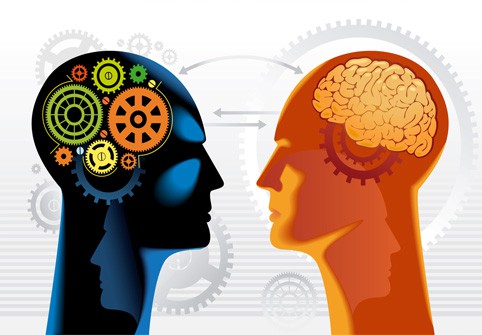
Carrots, Sticks & The Bully Pulpit reviews the federal role is largely discouraging for those of us interested in advancing educational equity and achievement. The was some consensus among the bipartisan authors that “federal policy makers have trouble holding a steady course amid all the interests and politics,” and that the “federal government lacks the authority and tools to effectively play an active role in school improvement.” On a more positive note, there was also some consensus that the feds had an important and doable role in promoting transparency and that the president and secretary had a valuable bully pulpit role.

Edcamp: Innovation In Professional Development
Professional development (PD) opportunities for educators today are still relatively limited to seasonal workshops and conferences. While this can be the preferred model for district administrators when looking at continuing education requirements, teachers are finding ways shake up the idea of traditional ongoing professional learning opportunities.