

21st century skills
Uncategorized
New Assessments for New Skills
Without measurement the teaching of collaboration is extremely difficult. The current challenge is how to develop Collaborative Assessment tasks, particularly formative assessments that align with local curriculum, contexts and needs.
Personalized Learning
Deeper Learning in High Need Schools
Many of the schools we studied this summer serve high challenge low income communities. They share six characteristics that appear to support the success of low-income students.
Personalized Learning
Distributed Workforce: Better Conditions, Costs, & Outcomes
Organizations that effectively manage a remote workforce are clear about their goals, focus on outcomes more than activities, provide extensive training, make a variety of collaboration tools available, and, finally, they plan the work and work the plan.
Personalized Learning
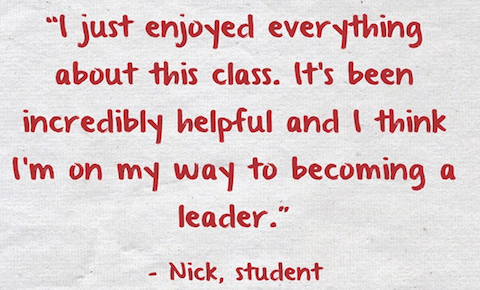
Mawi + FLVS = Leadership Skills and Success for Students
FLVS will provide the high quality and easily accessible content for the students to be able to access 24/7 and work through at their own pace. Mix that with the face to face/classroom time- facilitated by caring teachers and peers, all ensuing from the truly dynamic spirit of Mawi Asgedom and you have a recipe certain for success!
Personalized Learning
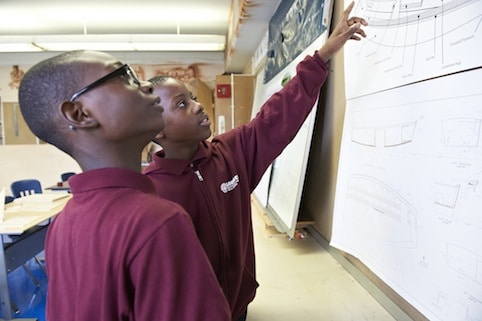
The Having of Wonderful Ideas
Expeditionary Learning is a national network of more than 150 schools that share the coolest design principles including “The having of wonderful ideas.” More broadly, EL schools feature “dynamic leadership, compelling curriculum, engaging instruction, continuous assessment, and a positive school culture.”
Leadership
Developing Character, Courage & College Readiness
The Kerm Family Foundation recently convened several organizations that are reevaluating student character development and better preparing their students for college. DSST, Great Hearts, and Educational Enterprises are networks with well developed charter development programs.
Personalized Learning
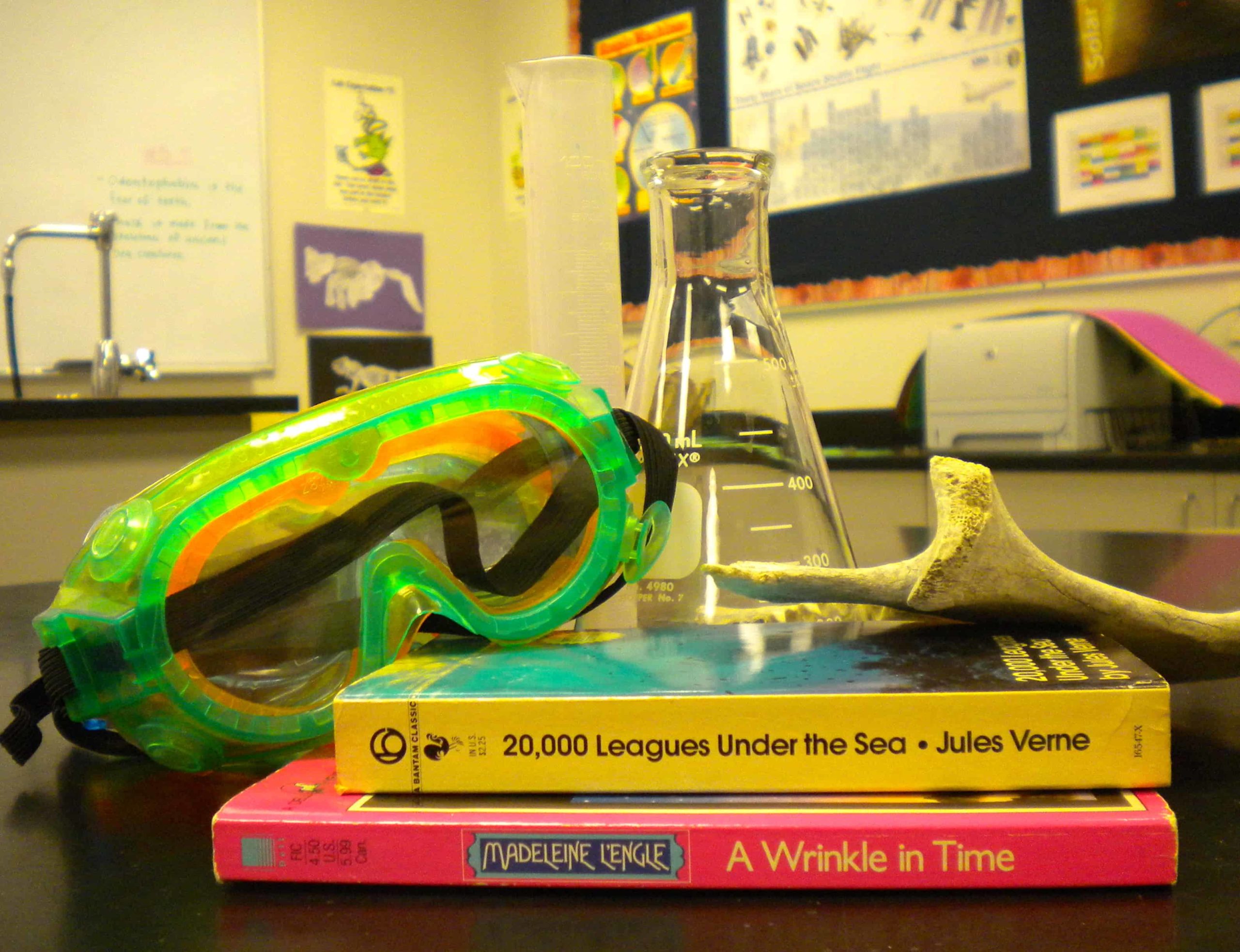
Out of My Element: Forming Bonds Between Science and Language Arts
I’ve always considered myself a willing and even eager collaborator with teachers of almost any discipline. As someone who tends to see the big picture, intentionally or not, I notice connections among disciplines so often it almost feels second nature to me. Yet in my practice, I have mostly integrated subject areas within my own classes and under my own control.
EdTech
5 Ways to Use Google Docs in the Classroom
Google Docs is a user friendly suite of online collaborative tools that come with tremendous potential for use in the classroom. Last year all of the students in our school received Google Docs accounts and I was kept quite busy getting students and teachers up and running with the new tools, then discovering innovative ways to use them as effective tools for learning. Here are some of the favorites.

SEL & Mindset
Defining (and Driving) Collaboration
By: Jordan Lippman. In today's world, both employers and educational institutions place a high value on soft skills that are transferable across professional, academic, and social situations. One of the most frequently cited skills is collaboration.
Personalized Learning
How to Work Together to Build Capacities for Collaboration
Having challenged, in my previous post for Getting Smart, some of the common notions we educators share about collaboration, I acknowledge that it is only fair that I take some time to wrestle with what collaboration really means and why it is so important as we prepare our students for the future.