

SEL & Mindset
Social Emotional Learning (SEL) is the deliberate commitment to including a framework of essential skills and dispositions that complement academics but historically have not been a part of curricular design. Learners acquire and effectively apply the skills necessary for self-regulation or managing and talking about emotions, forming relationships, setting goals and demonstrating empathy during their learning.
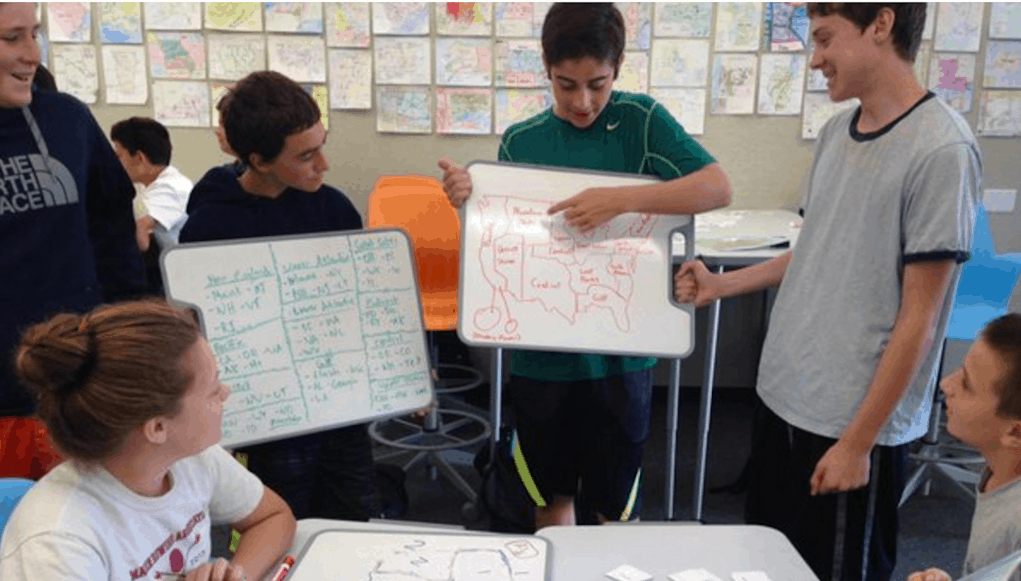
Getting Students to Take Control
Getting students to “buy-in” and take control of their learning starts with seeing them as individuals and understanding each of them has different motives, beliefs and goals. Here are a few ideas to consider to help them start.
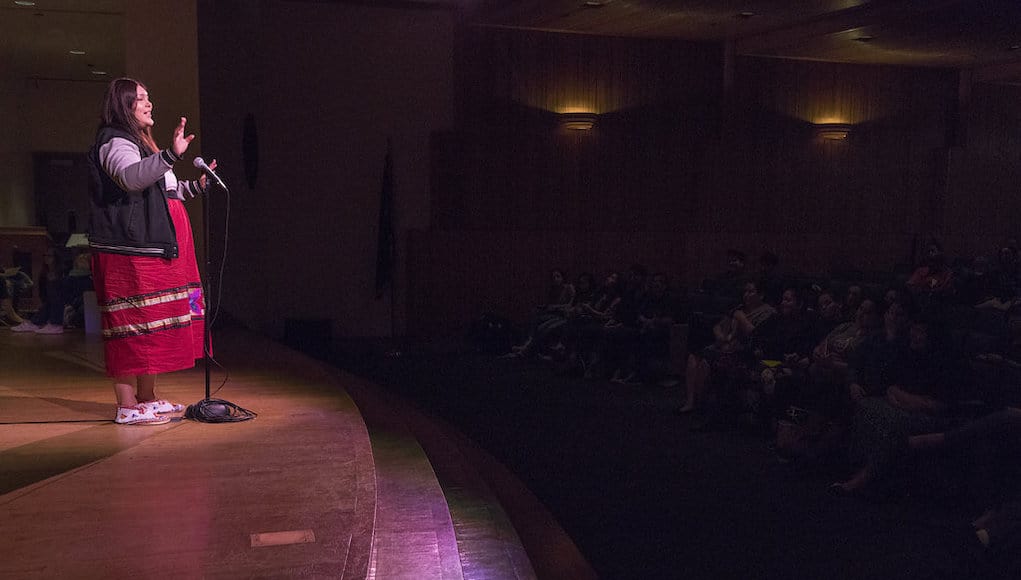
How a Community Organization is Helping Students Find and Share Their Voice
In part two of a four part series about how student engagement increases when students share their learning, we take a look at how Story Works Alaska is helping "youth develop skills, resilience, and engagement as they explore and share their own stories."
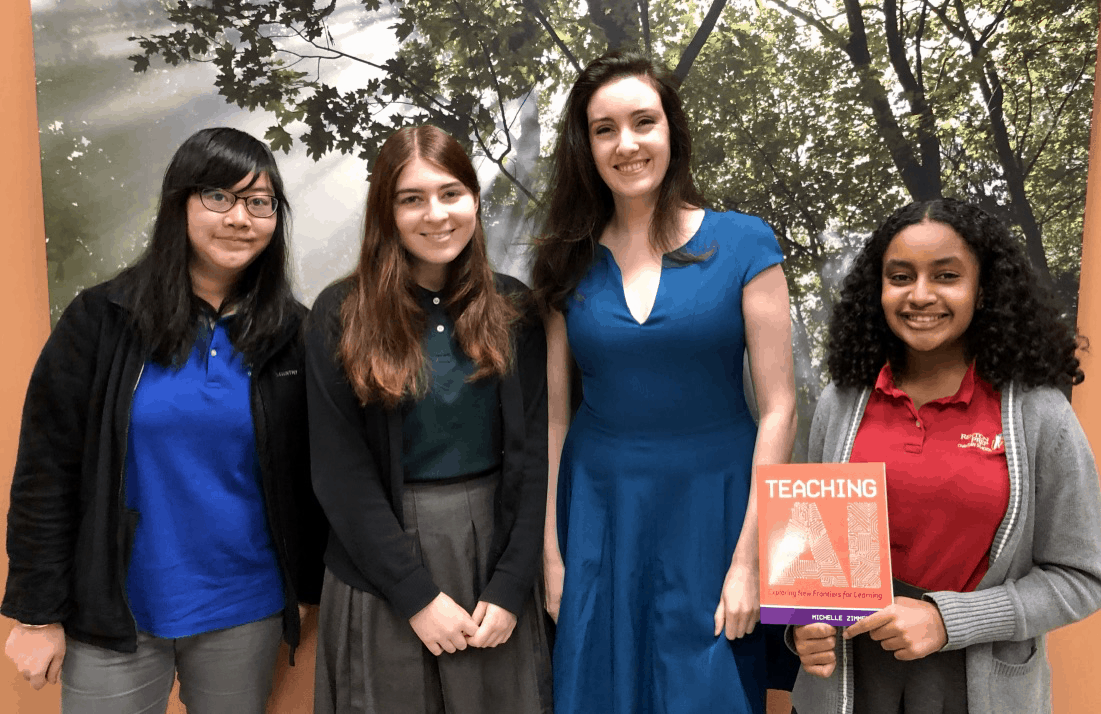
Teaching AI: Exploring New Frontiers for Learning
Inspired by the growing popularity of AI in pop culture and media, as well as more adaptive learning programs being released, Michelle Zimmerman realized change was coming for both what and how young people should learn and set out to write "Teaching AI: Exploring New Frontiers for Learning".
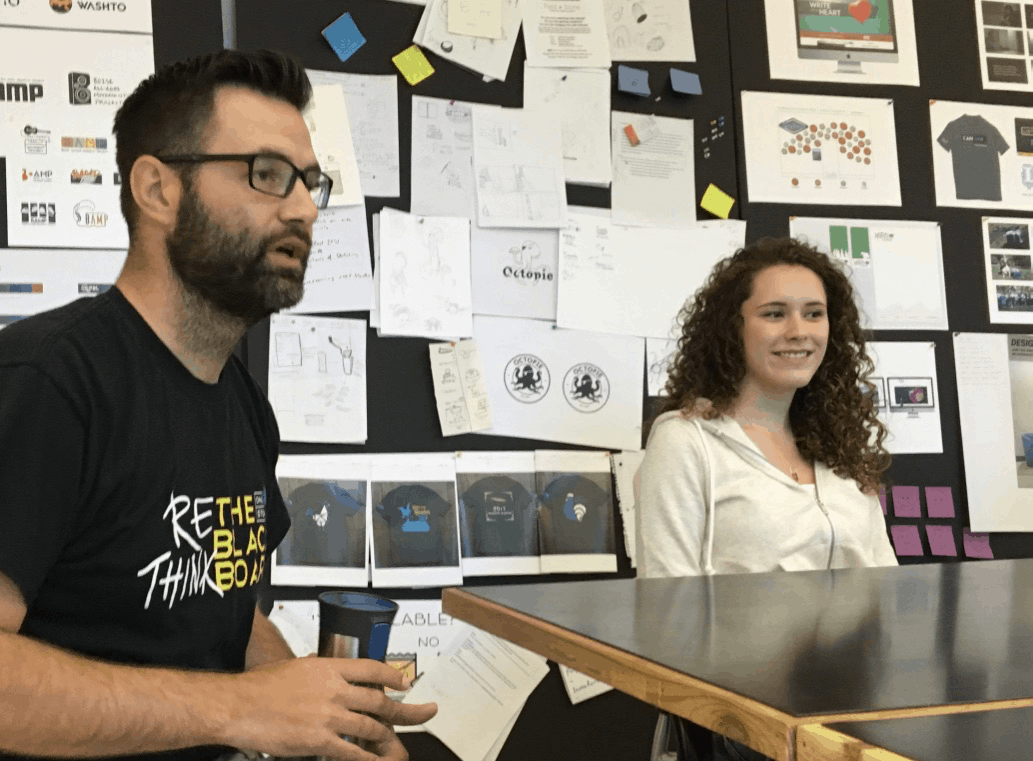
Good Enough? Helping Young People Develop a Picture of Good Work
High expectations are an important part of a school model, culture and community. Here are several examples of schools and programs that are helping students learn to deliver on professional grade expectations.

The 5th C May Be the Most Important of All
In this post, David Ross explains how the 4Cs were not sufficient to meet Chinese educational needs. They wanted to add a fifth C, which they call “cultural competence.” According to the Chinese, the fifth C trumps them all: “Cultural competency is the fundamental value of every Chinese and provides guidance for the other four aspects (skills).”
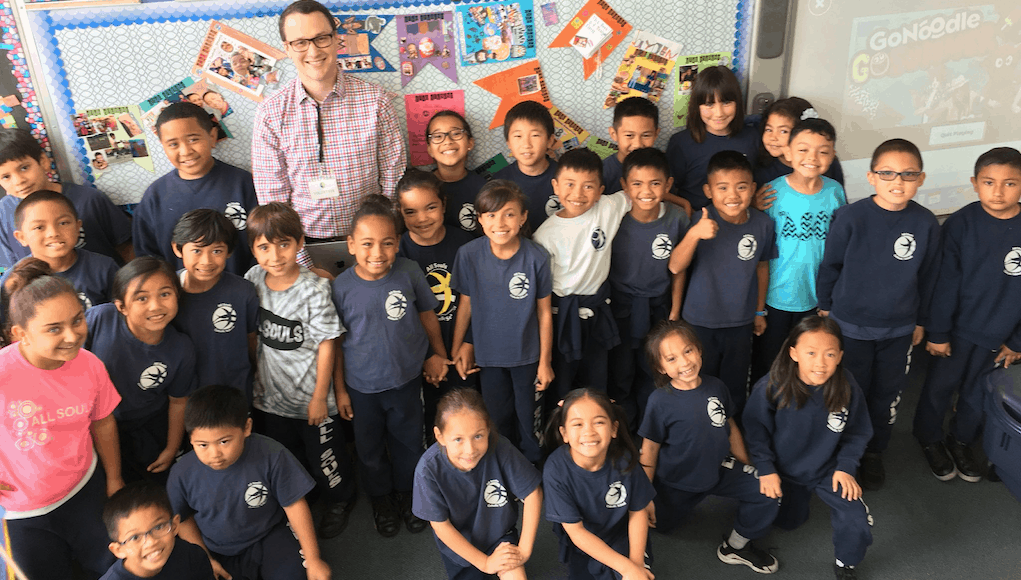
Building School Culture With Gratitude
A school culture founded on healthy relationships is a prerequisite for the engagement, vulnerability, and risk-taking necessary for academic and personal growth but how do we communicate, develop, and monitor the behaviors essential to creating healthy school culture?

Are Cultural Competence and Global Competence the Same Thing?
David Ross explores the semantics of cultural and global competence to help us understand if they are in fact the same thing or not.
The Best Academic Schools in Tennessee Feature the Best Character Program in the Country
Valor Collegiate Academies has been in the top 5 percent of Tennessee schools on growth and achievement every year since it started in 2014. But we visited Valor (seven miles south of the Country Music Hall of Fame in suburban southeast Nashville) because of the well-regarded Valor Compass, a holistic human-development program.

4 Ways to Boost Service Learning in Schools
By: Wayne D’Orio. Two veteran New York state educators offer advice on how to organize community service programs that best benefit students, are relatively easy to manage, and simplify reporting needed for graduation and college applications.
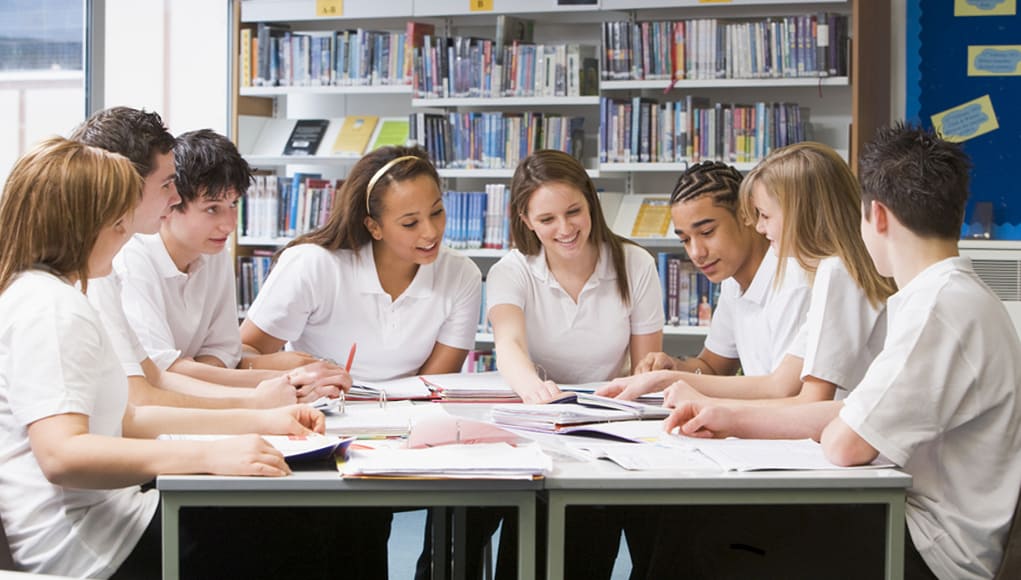
Building a Collaborative Culture: From Inspiration to Application
By: Mary Ryerse and Bob Rosenfeld. Creating a collaborative culture takes time and remains a continual process. This post explores how formative assessment can help.