

Project-Based Learning
(PBL) is an instructional approach where traditional, direct classroom instruction and tests are replaced by authentic, often interdisciplinary projects, usually designed by the student with guidance from instructors/coaches, addressing real-world problems as the assessment instead of a test. It also is closely related to deeper learning, challenge-based learning, interest-based learning and more.
Creating Powerful Student Learning Experiences with Escape Rooms
As soon as I completed my first Escape Room experience I knew I needed to replicate it for my own classroom. Here are several helpful resources and things I learned as I planned this powerful student learning experience.
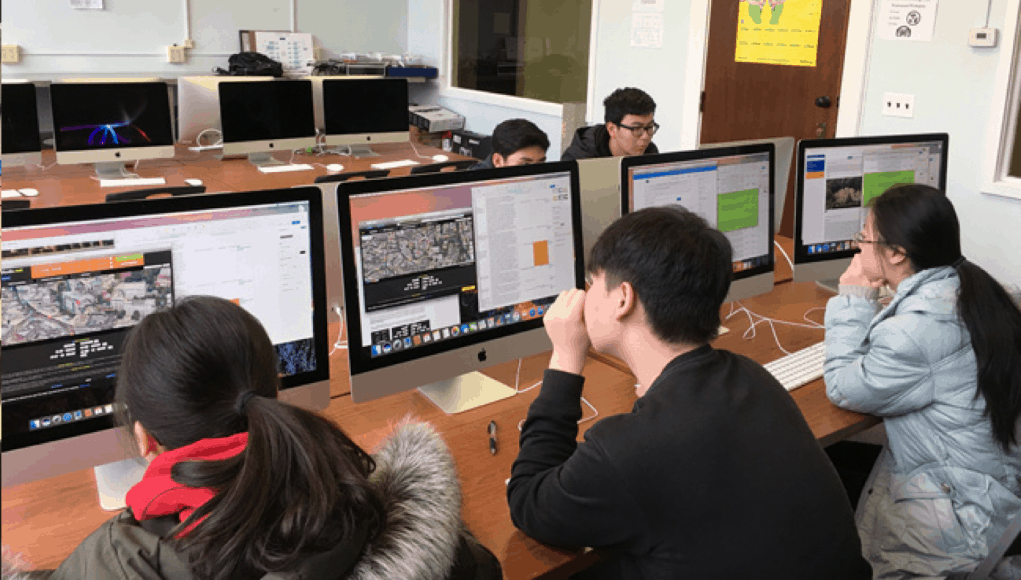
Building a World Bridge to College, Career and Life Readiness
The A World Bridge program is designed to challenge students with real-world, real-time high-tech projects that help boost next-generation interest in STEM careers and prepare them for college, career and life success.
Connecting Project Based Learning to the Real World
By: Michelle Berkeley. When we surveyed an advisory group of Ed Leaders from a variety of backgrounds about areas for improvement of project-based learning, one of the themes they all agreed on was that it needs to be connected to the real world. Read more here.
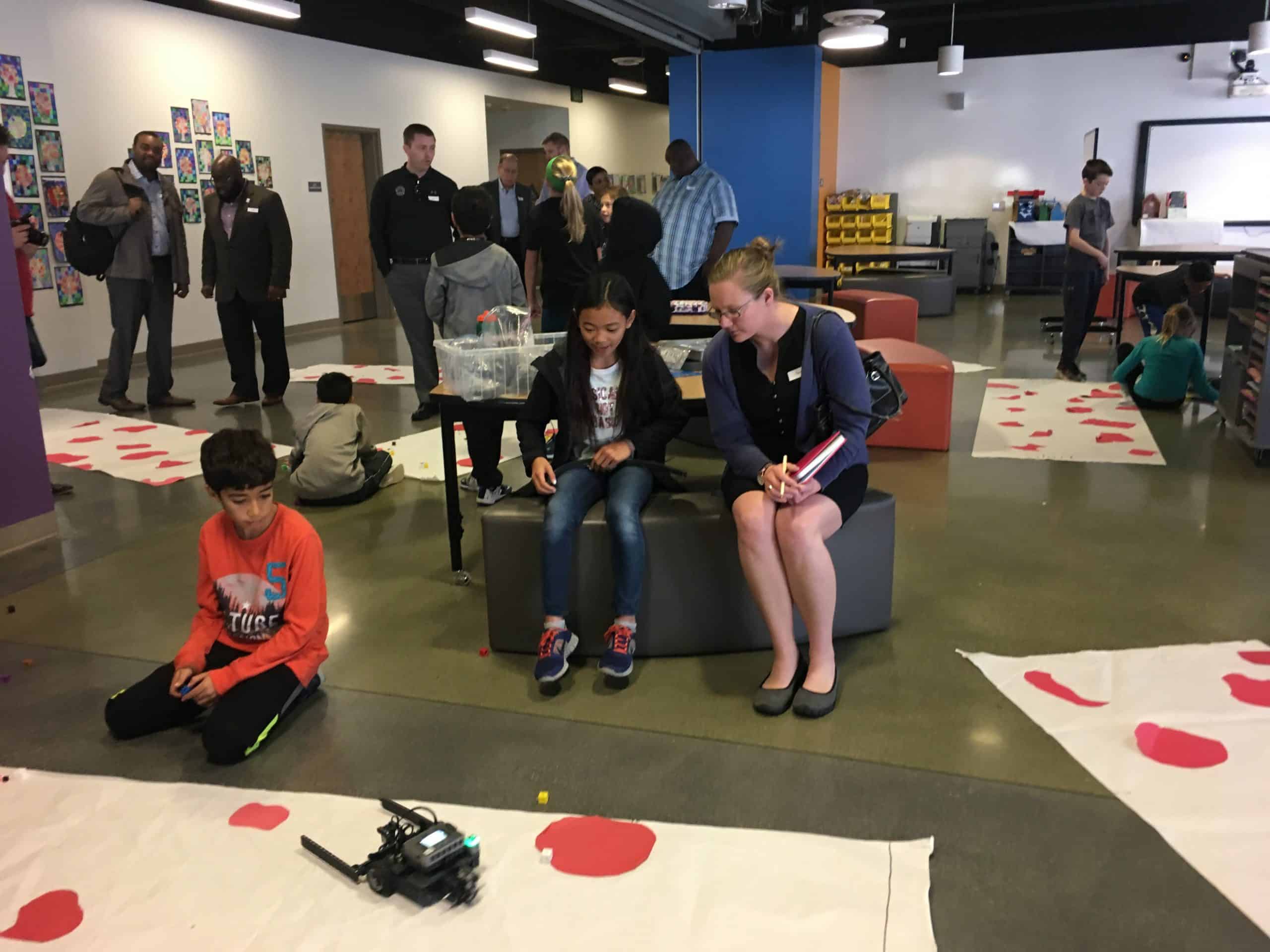
Elementary & Middle Schools Worth Visiting
Here at Getting Smart, we think school visits are the best form of professional learning. Based on a couple thousand school visits, and with help from colleagues and readers, we’ve compiled this list of elementary and middle schools worth visiting.
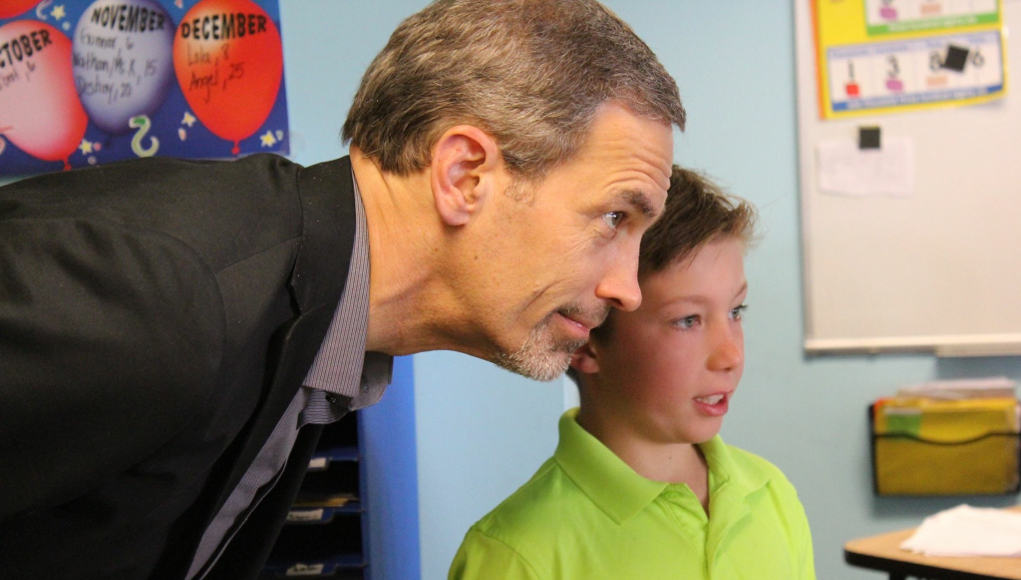
Professional Learning: The Power of School Visits
School visits can be a powerful part of a professional learning plan and a critical part of a school transformation effort. Here are five specific reasons we feel school visits are a must-have item for community leader and school member participation.
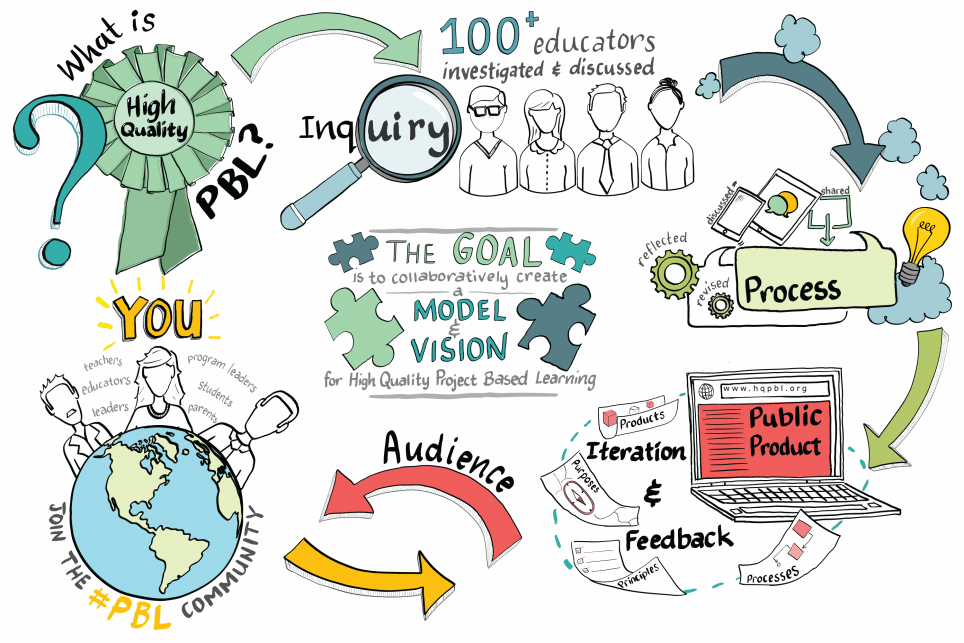
The Need for a High Quality PBL Framework
PBL is increasingly recognized as a powerful instructional practice, and there is a growing need for guidance and support in its facilitation. Learn more about how education leaders worldwide are working to design and craft a Model for High-Quality PBL.
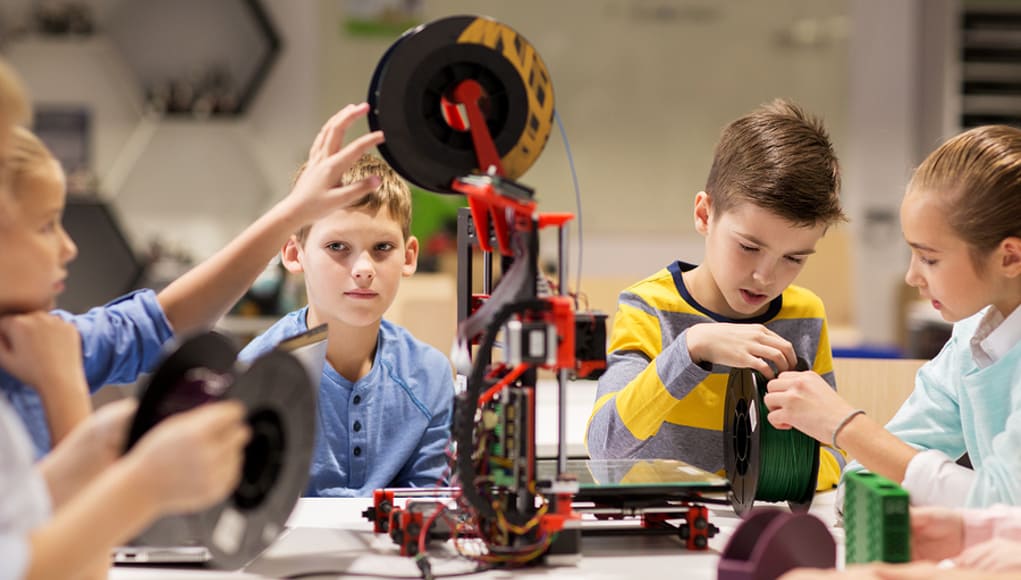
The Rise of AI Demands Project-Based Learning
The use of artificial intelligence (AI) is on the rise, and interviews with leaders in several different fields about AI point to the same thing: an increasing importance in self-directed learning--lifelong, often project-based and (when possible) with a diverse team.

Scheduling for Learning, Not Convenience
By: Emily Liebtag and Mary Ryerse. When it comes to secondary school scheduling, there are many options. Which schedule is best? It depends what you’re trying to accomplish. Here, we look at a number of approaches and examples.
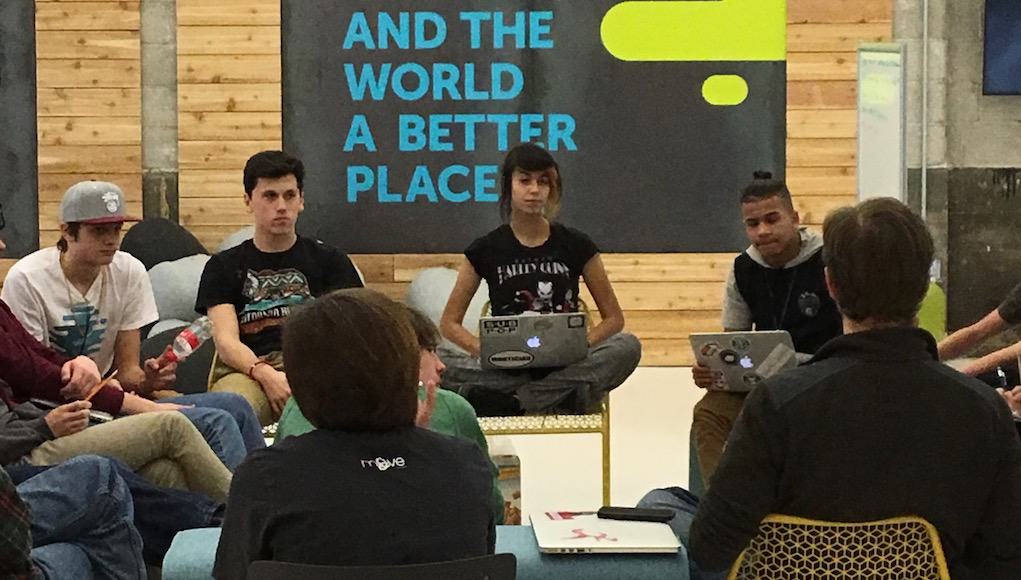
8 Tips for Helping Students Identify and Solve Big Problems
As educators seeking to create meaningful experiences for our students, we must find ways to ask the right questions and provide kids the space to come up with their own problems. Here are 8 tips to help you get started.
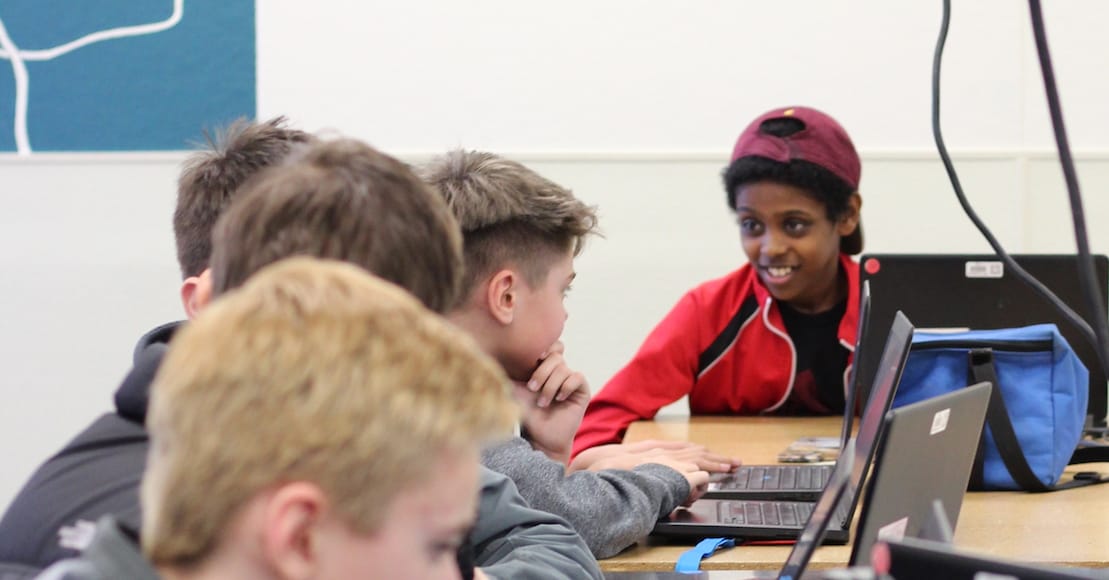
My First School Visit: Project-Based STEM at TAF
I wasn’t sure what to expect when I was first invited to go on a school visit in my home district of Federal Way, where I received my 20th-century education. Read more about how the district is making strides towards next-gen learning here.