

Project-Based Learning
(PBL) is an instructional approach where traditional, direct classroom instruction and tests are replaced by authentic, often interdisciplinary projects, usually designed by the student with guidance from instructors/coaches, addressing real-world problems as the assessment instead of a test. It also is closely related to deeper learning, challenge-based learning, interest-based learning and more.

3 Lessons Learned Building Student Digital Portfolios
I decided this past fall that my students would build digital portfolios of all of their work this year. Here are three of the lessons I learned while implementing this endeavor.
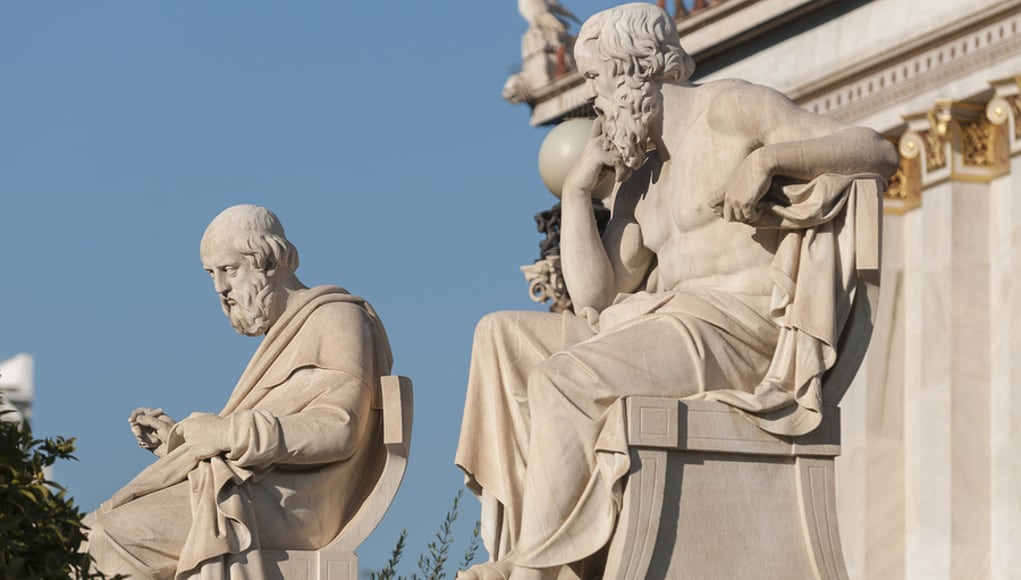
To Design Deep Learning, Look to Enrichment and its Ancient Wisdom
By: Jeff Wetzler. Enrichment is an often-overlooked aspect of the opportunity gap between affluent and lower-income children, and can be highly valuable in life and for appreciating the world. Learn more here.
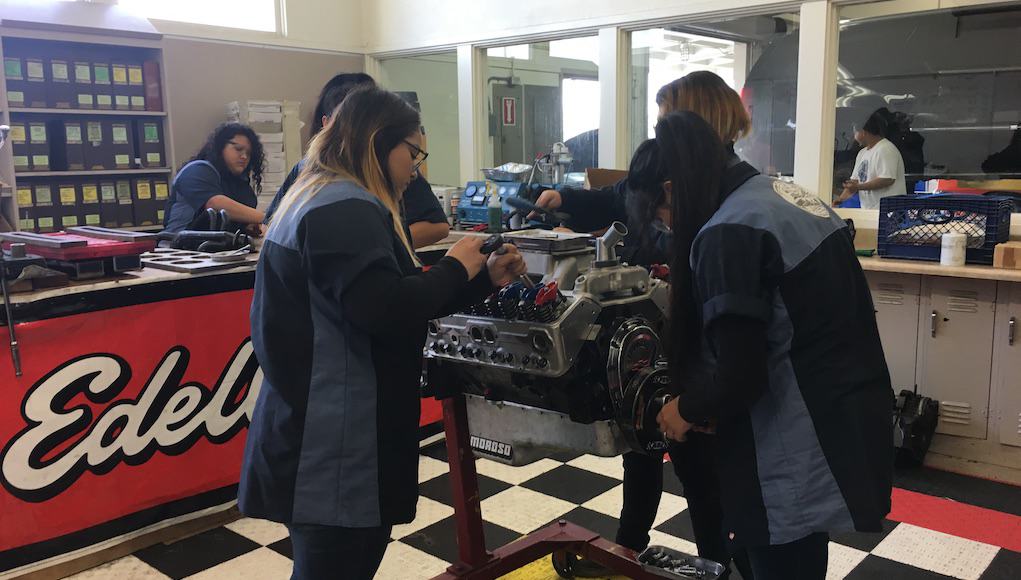
Santa Ana Unified Creating Incredible Pathways for Students K-12
When people think of large urban districts, they often think about all the challenges that they face. And it’s true--large urban districts often have to overcome many hurdles. But these challenges are not insurmountable, and Santa Ana Unified proves it.

The Role of the Teacher in High Quality PBL
By: Michelle Berkeley. In this post, we share some thoughts from a number of surveyed EdLeaders on three key areas of investment in the development of a PBL teacher: qualities and skills, training and collaboration, and professional development.
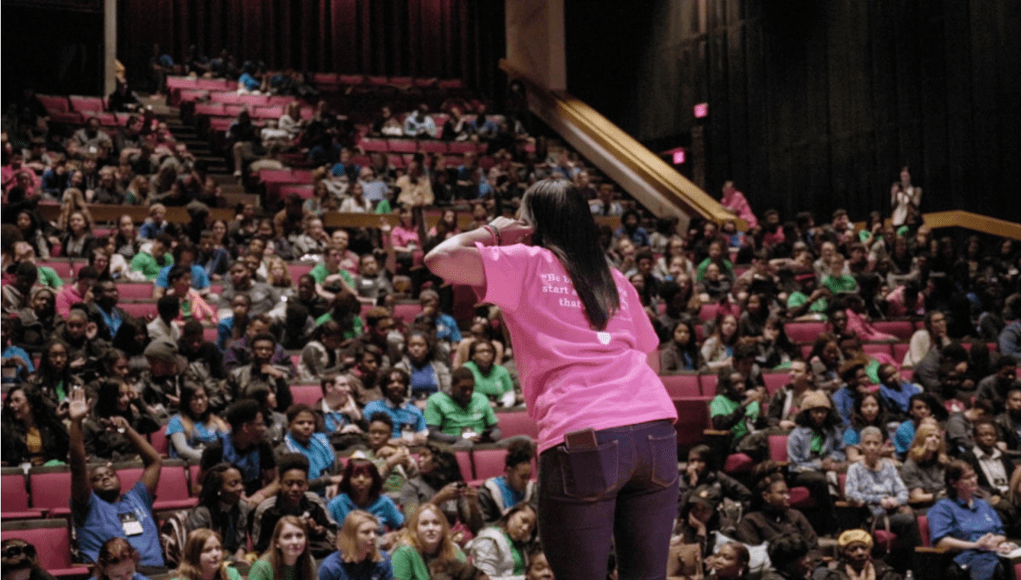
SOLE: Hacking Today’s Education for the Future
By: Dr. Jeffrey McClellan and Justin Aglio. Self-Organizing Learning Environments (SOLEs) draw on children’s natural curiosity to create a dynamic education space for students to learn, interact and develop critical problem-solving skills.

Project-Based Pittsburgh: Thinking Beyond Schools to Remake Learning
By: Gregg Behr. As educators, advocates and funders, we must think beyond our bubbles to prepare all children for a project-based future. In Pittsburgh, we’re fortunate to have several leaders doing just that.
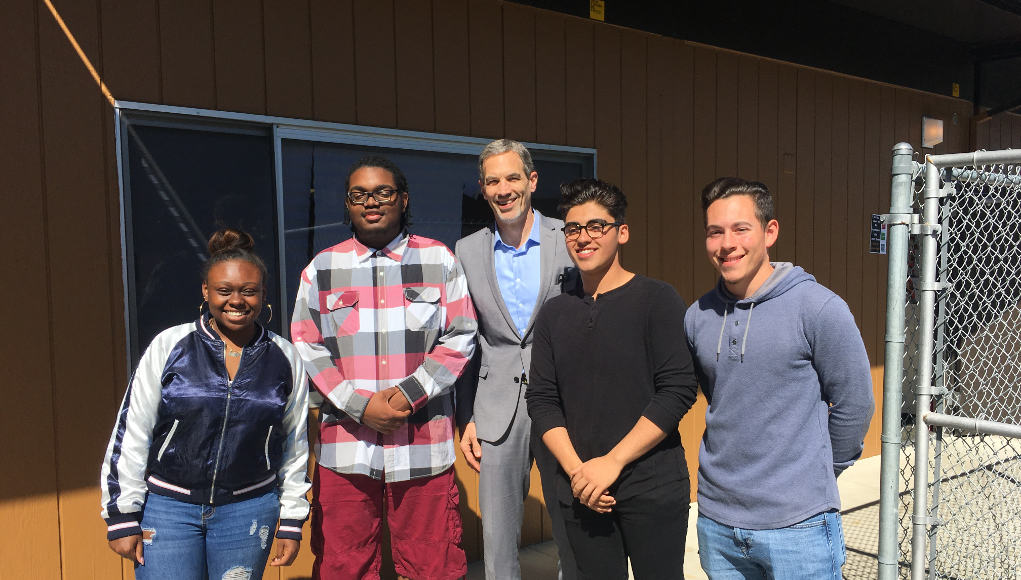
Personalization + Projects = Deeper Learning at Da Vinci
We recently visited three Da Vinci Schools to observe the culture, community and deeper learning outcomes. Here is what we learned from our student guided tours at these innovative schools.

6 Small Steps To Shift Toward Project-Based Learning
If you are new to project-based learning you don’t have to make the shift all at once. Here are a six baby steps that you can take to begin shifting your classroom toward PBL.
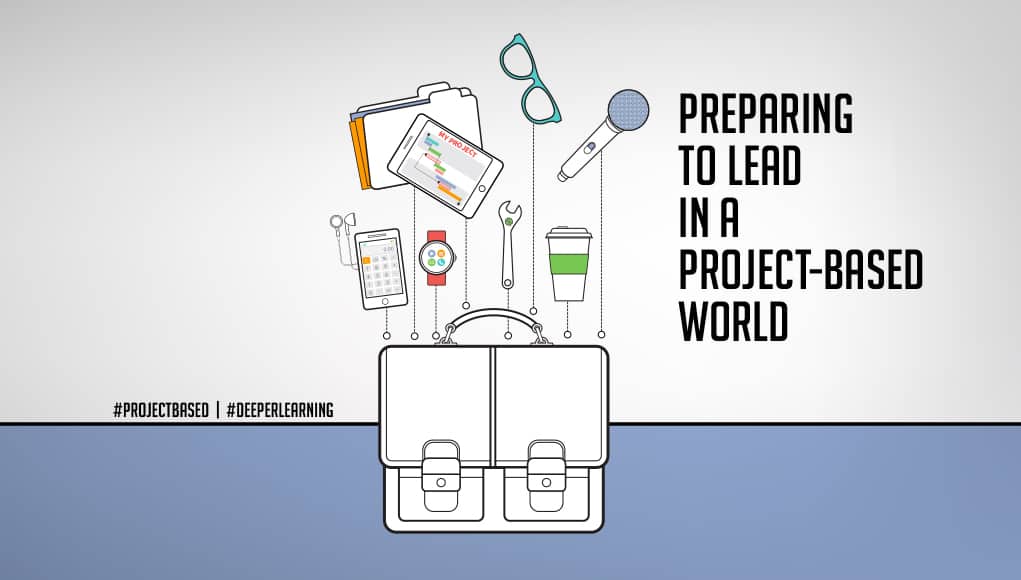
Preparing to Lead in a Project-Based World
This publication shares how technology is exponentially changing the learning landscape, how the roles for education and community leaders are being redefined accordingly, and how individuals and groups can prepare to lead in this increasingly project-based world.

Project-Based Learning: Taking Students to a Deeper Level
By: Nanda Krish. In learning, there may be no greater tool for students than hands-on experience. With that in mind, in this post I take an introductory look at the "why" and "how" of PBL.