


Project-Based Learning
(PBL) is an instructional approach where traditional, direct classroom instruction and tests are replaced by authentic, often interdisciplinary projects, usually designed by the student with guidance from instructors/coaches, addressing real-world problems as the assessment instead of a test. It also is closely related to deeper learning, challenge-based learning, interest-based learning and more.

The Purposes of High Quality PBL
Students in classrooms today need to know how to manage projects, but there are a number of other important purposes that PBL can fulfill. Here, I explore those purposes in more detail.

Taking on the World from Idaho Falls: Integrated PBL at Compass Academy
Compass Academy is a New Tech Network with a refreshing perspective on PBL. Here, we learn about what makes Compass Acadamy tick from their director, Matt Bertasso.

Integrated Curriculum: Why it Matters, and Where to Find It
Why do 95% of high schools retain discipline-based structure and staffing decades after the cost has been shown to significantly outweigh the benefit? Here, I look at a number of schools that provide good examples of ways to break the mold.
Does Your Teaching Have the 4 Categories of High Quality PBL?
PBL is increasingly recognized as a powerful instructional practice, but there is no collectively-developed, widely-accepted high-quality PBL Framework to guide aspiring educators. Find out how you can contribute to changing that here.

Measuring What Matters: A Framework Review
This post reviews several whole-student outcome frameworks, particularly those that attempt to describe and measure productive dispositions and habits.
Building Confidence and Curiosity with littleBits Code Kit
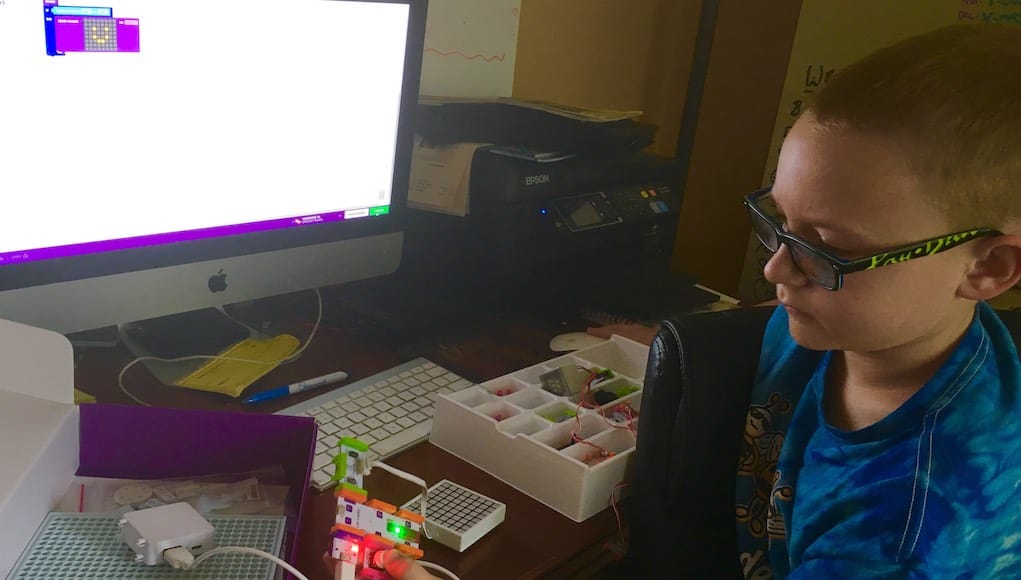
Teacher blogger Amber Chandler reviews the littleBits Code Kit after observing her nine-year-old son using it and speaking with the lead designer.
How Schools Develop Student Agency
Given the rate of change in the world, helping young people take charge of their own learning is more important than ever. Here, I look at two EdLeaders' thoughts on how schools can help develop this mindset in students.

What Educators Can Learn from SpaceX
As I explored SpaceX, the following idea kept entering my mind: Students—ALL students—deserve, need and want to work on real-world challenges and complex problems. Here are three ways educators can start to make that happen.

A Gifted Ed Teacher’s Secrets to Success
By: Stephen Noonoo. Gifted education teacher Alison Alowonle shares how she keeps her exceptional students (and their families) engaged in their learning process, as well as advice for those interested in getting involved as an educator in the space.

How Capistrano USD is Transforming its Writing Instruction
By: Virginia Reischl. By aligning our writing goals and rubrics vertically from grades 6-12 and horizontally across disciplines, we are bringing clarity and continuity to our teaching of writing skills. Here’s how we are approaching this ambitious task.