

Project-Based Learning
(PBL) is an instructional approach where traditional, direct classroom instruction and tests are replaced by authentic, often interdisciplinary projects, usually designed by the student with guidance from instructors/coaches, addressing real-world problems as the assessment instead of a test. It also is closely related to deeper learning, challenge-based learning, interest-based learning and more.

Making Science Class into the Happiest Place on Earth with Projects
By: Zach Jernigan. As a self-proclaimed science nerd, there are few things that can compare with my fascination for science. You might say that I enjoy exploring science as much as the average kid enjoys exploring Disneyland. So when I had the…
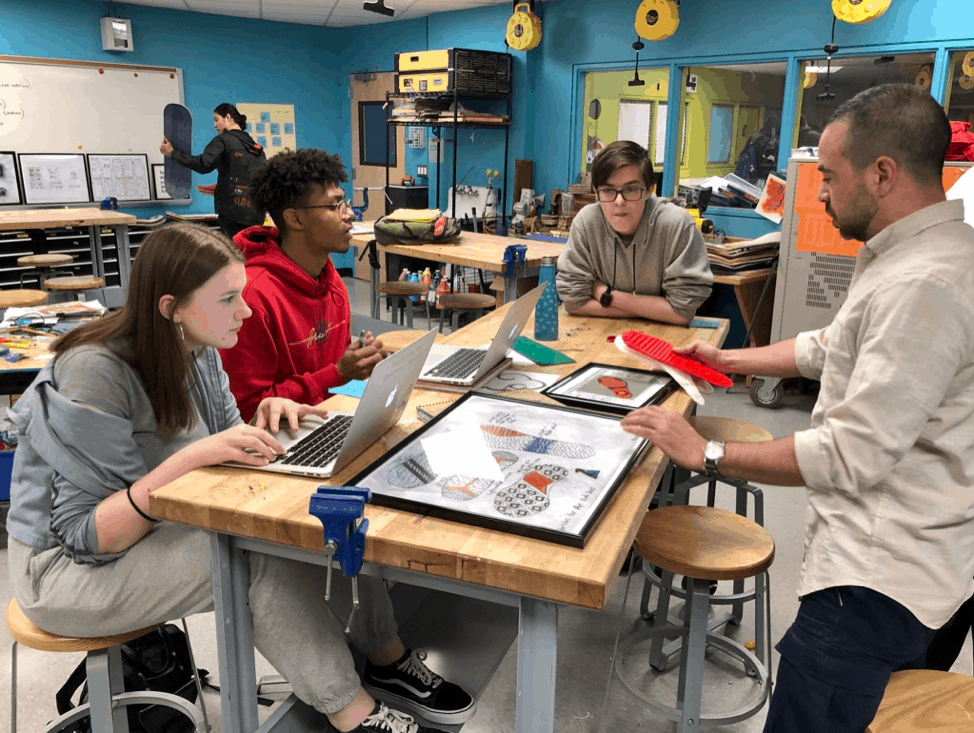
Two Engaging NYC High Schools: Maker Academy and iSchool
In Gerry Irrizary’s maker lab (featured image), young designers use 3D printers to prototype sneaker insoles, fashion designer skateboards with laser cutters, and implement the latest strategies in user interface to plan new mobile apps. The lab where teen dreams come to life is on the fourth floor of a…

Tips for Successfully Implementing SEL
By: Kristen Kopczynski. While incorporating SEL skill development in schools is not always easy, it's just as essential to students' success in the future.

Making the Most of Student Reflections
By: Jamie Back. Jamie shares how she uses several online tools to gather and respond to student reflections about such things as their mindset, study strategies, and understanding of topics.
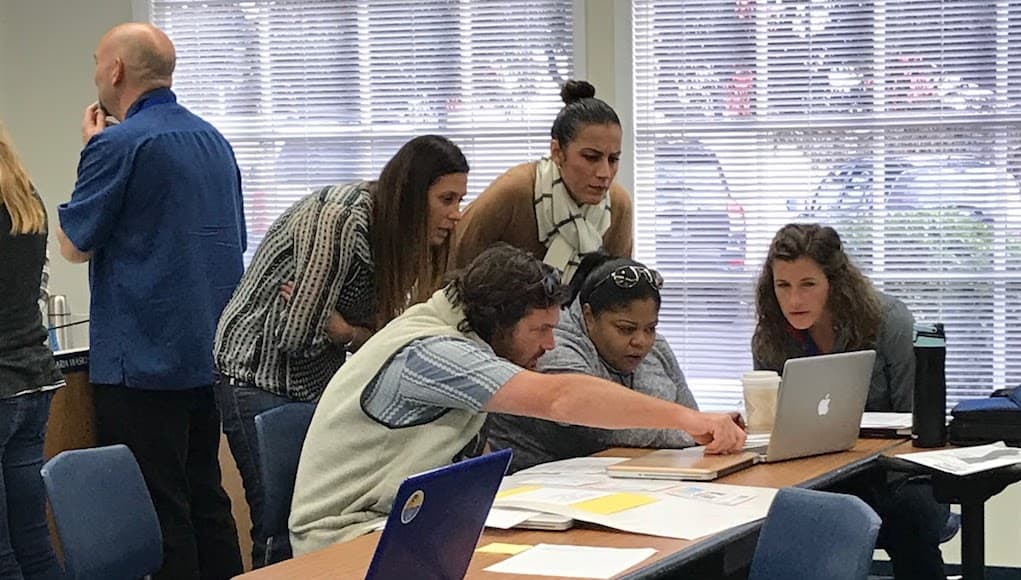
Tech Applications That Support High Quality PBL
Michael Niehoff discusses the importance of high-quality project-based learning and technology integration.
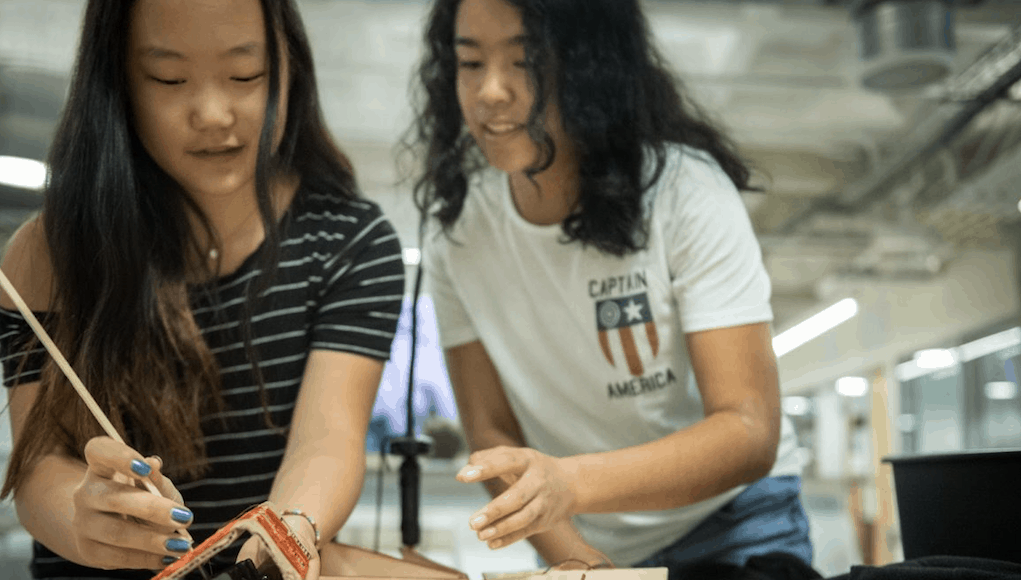
Why Schools Need Research and Design Space
Join Tom Vander Ark on the blog as he explores Beaver Country Day School's Research + Design Center, a state-of-the-art innovation hub designed to promote student-driven learning.

The Evolving Role of School Scheduling
By: Erin Werra. As we gaze into the future of K12 education, what scheduling changes do we see budding? How are these changes affecting the health of kids—and the community?
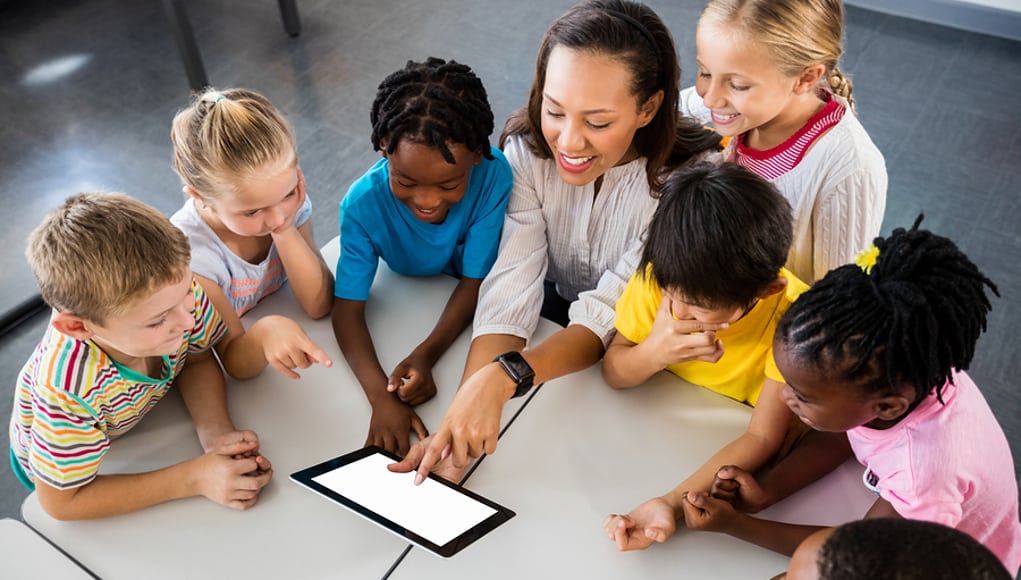
The Path to Reading Requires Quality Curriculum
High-quality, aligned instructional materials, particularly foundational skills curricula, are integral to addressing reading literacy challenges and ensuring all students have access to the skills they need for success in college and career.

Improving Organizational Culture: Discovering Your Core Strengths
Organizations are comprised of unique individuals with varying strengths and talents who are all working together to carry out the organization’s mission, vision, and personality. Strengths assessments are great tools to help an individual uncover their strengths and talents.
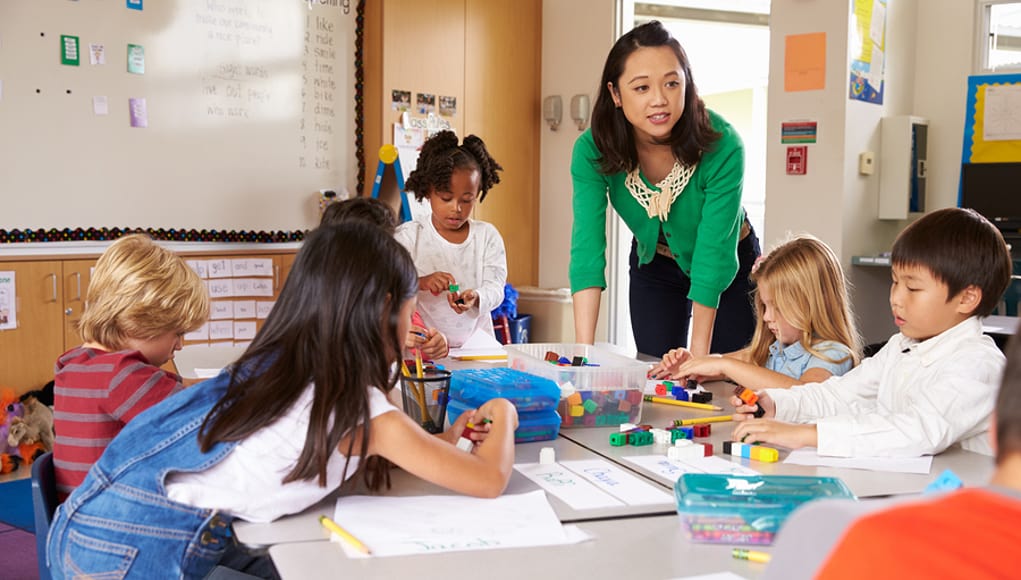
Serving Students With Special Needs: Five Key Values We Instill in Our Leaders
By: Toni Barton. One graduate school of education shares how they work with leaders to incorporate five values that they've found make a powerful difference in empowering exceptional special education learners.