


Future of Learning
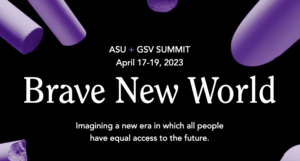
Your Guide to the ASU+GSV Summit
Here are the tips you need for April's ASU+GSV summit.
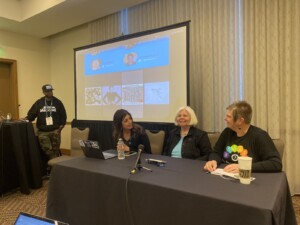
We Are All Digital Learners: Why DLAC is Perfect for You
Victoria Andrews and Rebecca Midles share their experience at the Digital Learning Annual Conference and why it's the perfect conference for you

The Surging World of Work
World of Work is a career initiative that started in the Cajon Valley Union School District, San Diego CA. There are now districts across the United States who are using this model to prepare students in K-12 for their future directions.

Why Teach Journalism When AI Writes Articles?
While there are fewer newspaper roles, job boards are full of journalism, communications, advocacy and marketing jobs where strong writing matters.

School Systems Lack Capacity to Support Data Driven Decision Making, National Survey Finds
Data can be a powerful tool for education improvement, but school systems need help to ensure that educators and administrators have access to timely, accurate, and actionable data, as well as the analytical skills needed to leverage it in meaningful ways. The Project Unicorn coalition is working to ensure that the promise of education data is not a myth, but an everyday reality.

World of Work Summit: Pathways For All
We’re excited to be supporting the upcoming World of Work Summit, to better showcase the inspiring work embedded in this school community. This conference will be a convening of trailblazers blurring the lines between K-12 and the World of Work, career development and paths to gainful employment.

What Happens When AI Doesn’t Understand Students? An example for creative and equitable AI policy in education
Artificial Intelligence (AI) bias is a challenge for the broad adoption of AI-based solutions in the classroom. Speech recognition technologies offer a specific example of where we can start crafting specific policy and solutions for developing effective and equitable education technologies to support teachers and improve student outcomes.

Three Keys to Making Game-Based Learning Student-Centered
There is a wide array of resources available that support learning through digital games and established approaches for integrating games into the school curriculum. Some fit easily into existing teaching practices and have seen widespread adoption, including platforms like Kahoot!

Can’t Miss Education Conferences in 2023
Like many of these conferences, this list hasn’t been the same for the last few years. Rampant cancellations, breakneck pivots and restricted gatherings have forced conferences and events to reinvent themselves in order to continue bringing people and ideas together. It seems that we are looking towards a brighter…
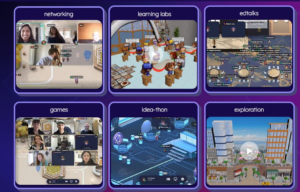
Preparing for the Future of Education
As a Spanish and STEAM teacher, for years I did not bring emerging technologies like AI or AR/VR into my Spanish classroom because I thought "I’m just a Spanish teacher.” However, we all need to help our students understand these technologies and their potential impact on our personal lives and education today and for the future