

Future of Learning
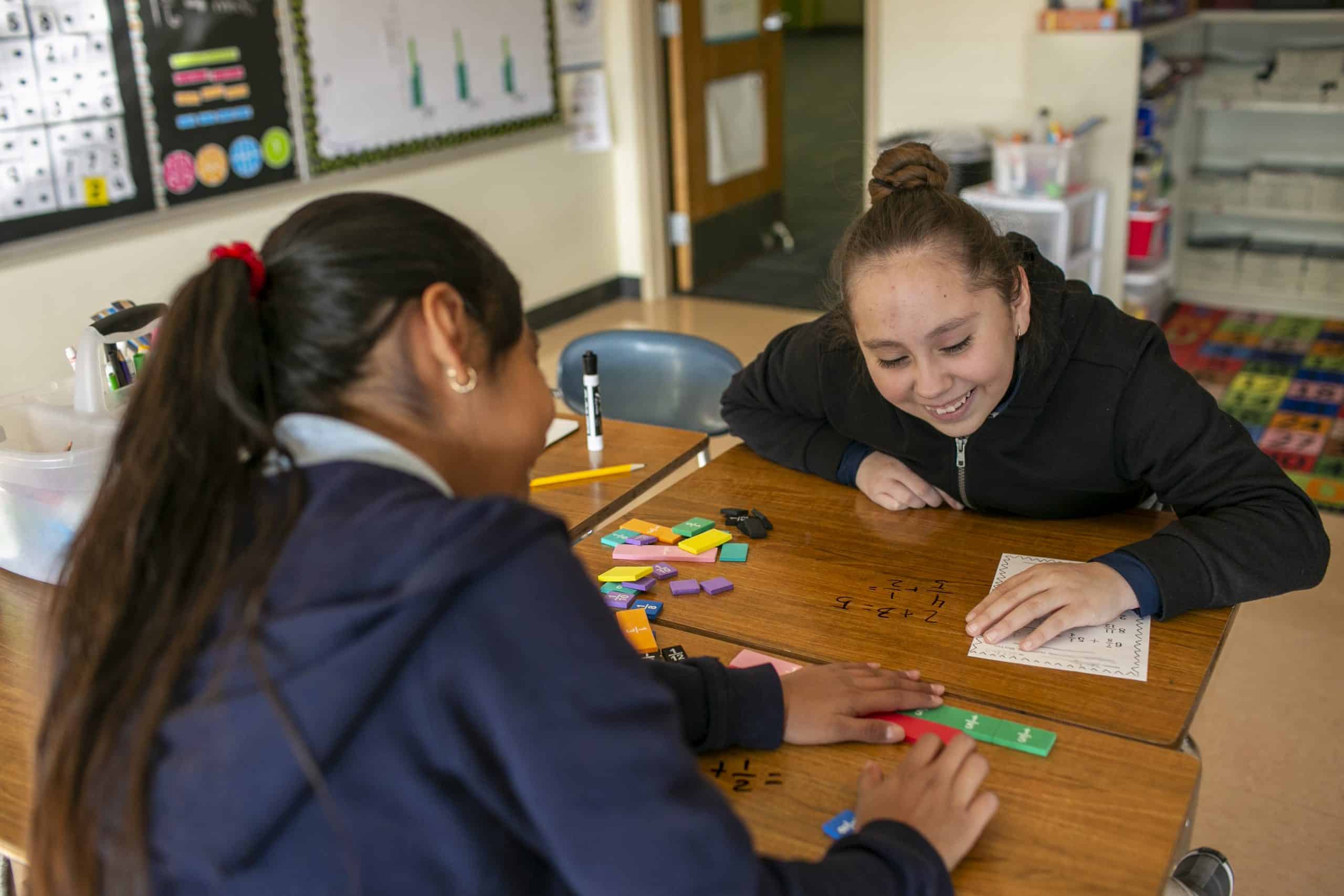
Creating Culturally Linguistic and Responsive Classrooms: A Place Where All Kids Belong
Culturally linguistic and responsive teaching in the classroom can create meaningful learning experiences for students.
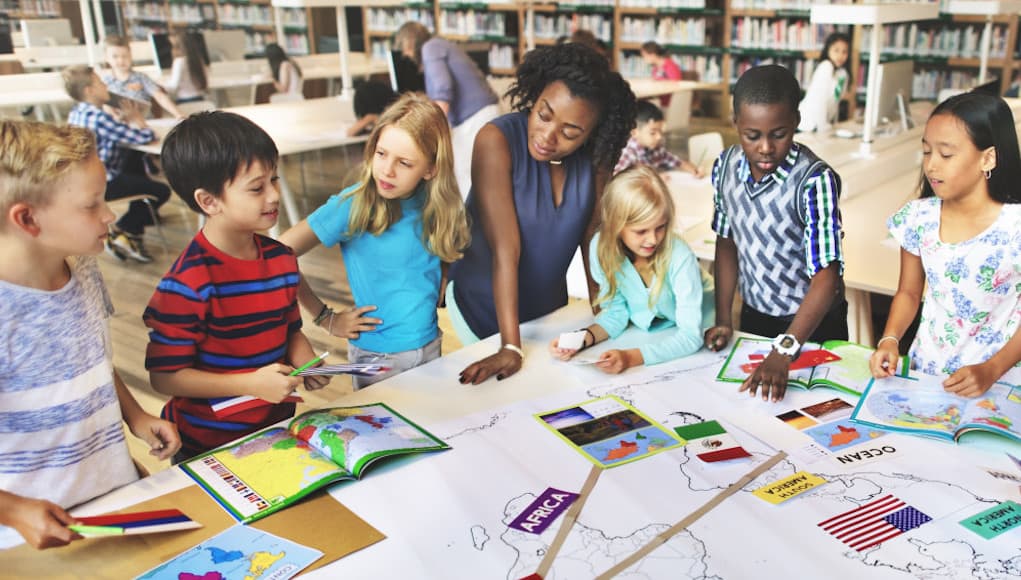
Building a Learner Variability Mindset
By: Tiffany Wycoff. LINC's Co-Founder and Chief Innovation Officer explains that to build a learner variability mindset, we must implement a new equation for teaching that includes strategically planning for variability beyond skill level.

No Excuse Not to Teach Climate Crisis Mitigation and Adaptation
The climate crisis and the rise of artificial intelligence will be the dominant issue in the lives of young people for the next 20 years and we have no excuse not teach them about it.
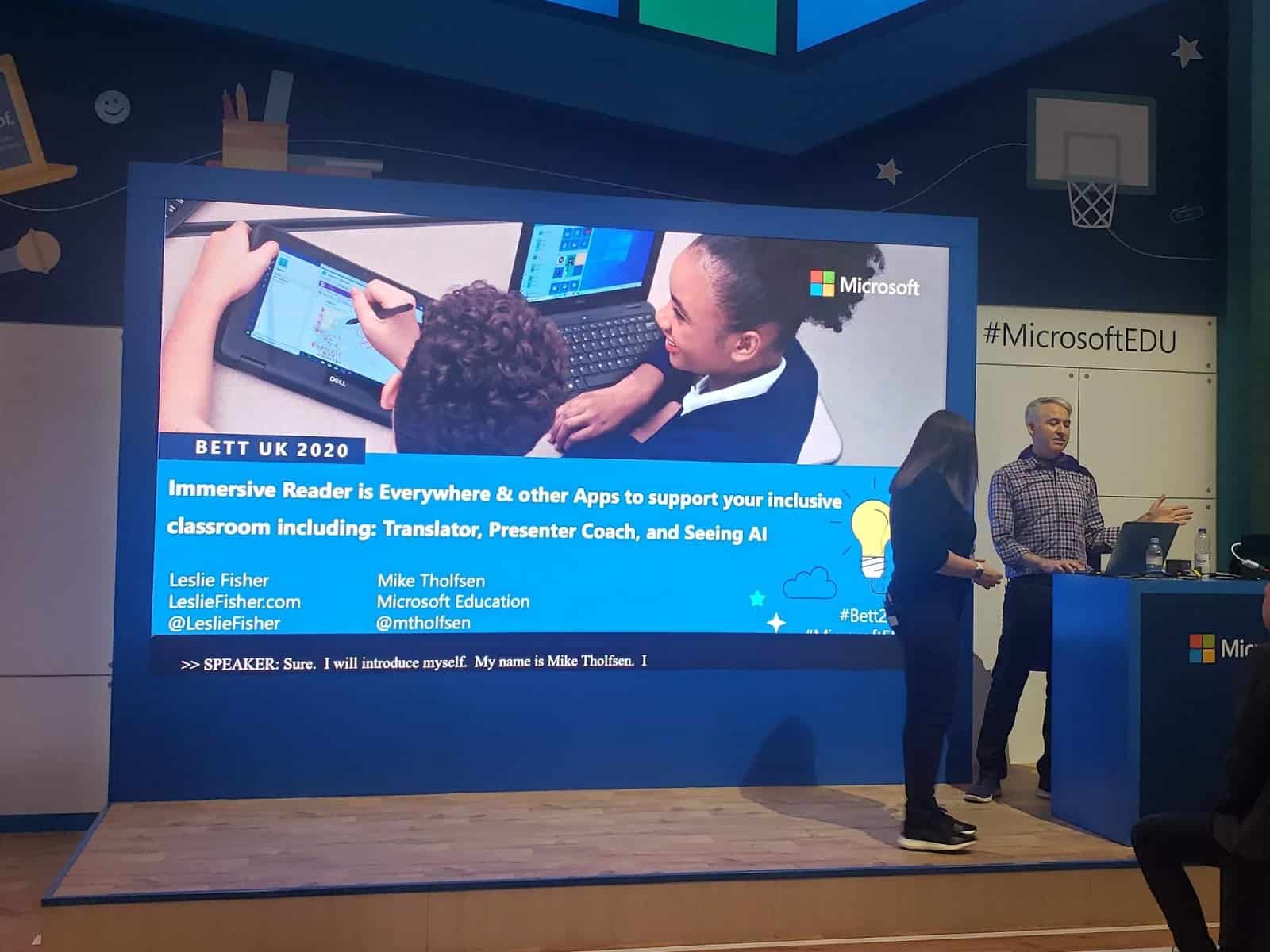
A Powerful Microsoft Education Experience at BETT
These are some of the new Microsoft Education updates and features that were promoted at BETT, the largest global edtech conference.

Designing, Assessing, and Implementing Educator Micro-credentials
After a year of collaborative development, CCSSO, Digital Promise, and other national organizations have released a set of principles for relevant and impactful educator micro-credentials.
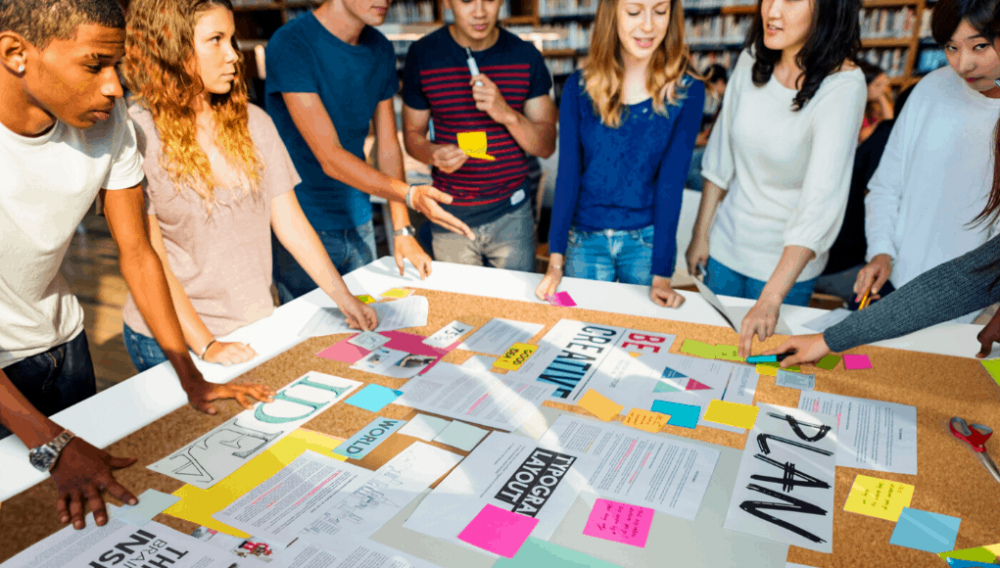
February: Join Us in Exploring Agility in Learning
How can instruction be more flexible and responsive to the needs of today’s students? Let's explore agility in learning of K-12 education in February.
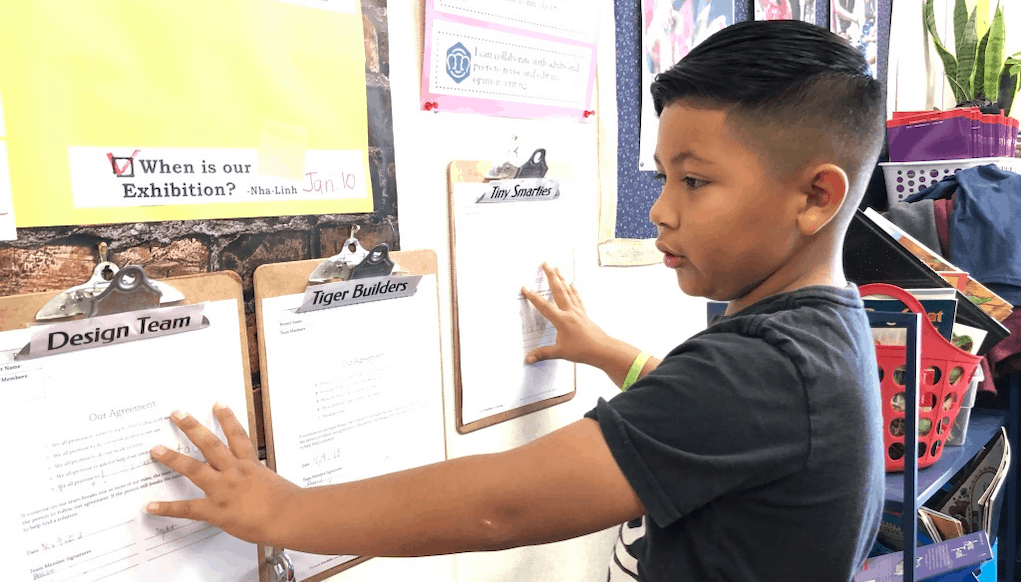
Show What You Know: A Parent’s Guide to the Global Shift to Competency
Our education system has six big problems, but solutions spurred by global initiates are emerging to tackle these prevalent issues.
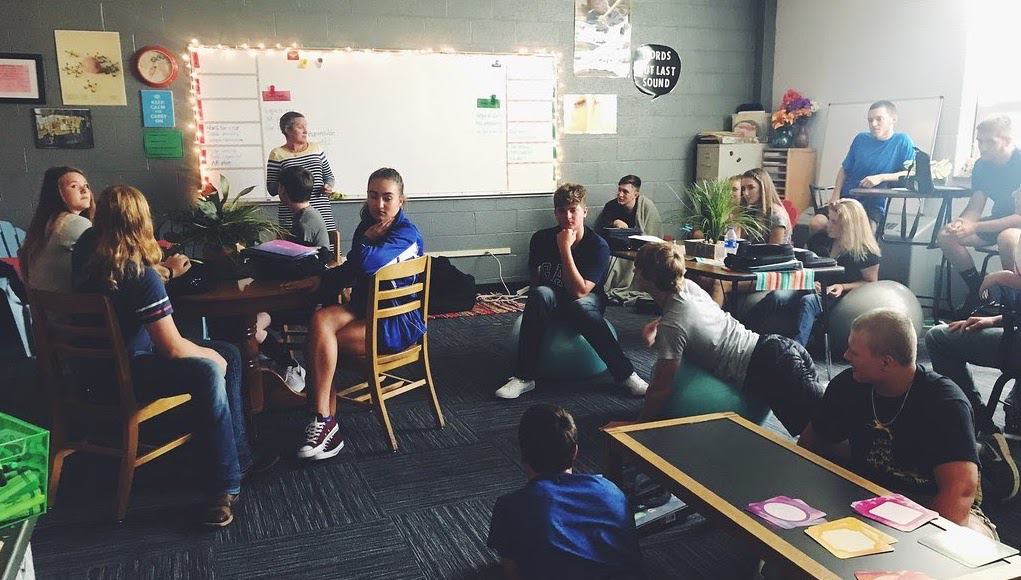
Providing the Right Learning Spaces for Students to Explore and Create
Five ideas for learning spaces that create an environment that can empower students to explore passions and real-world problems.
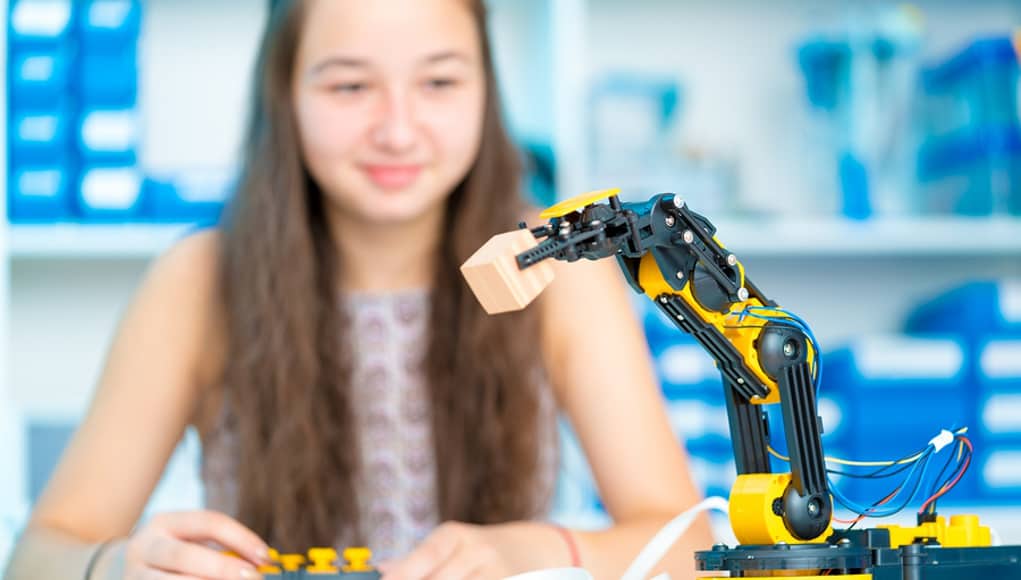
Rev Up Robotics Aims for Computer Science Accessibility & Application
Rev Up Robotics, the latest book from ISTE, is intended to be a hands-on, step-by-step guide for any teacher who wants to engage their students and teach real world skills through robotics. It is designed to help K-8 teachers in any content area get started in these skills, level-up practice and engage their students at higher levels.

Artificial Intelligence – The New Digital Divide?
Despite the promises of artificial intelligence, it is critical that educators and administrators consider the unintended consequences.