

Personalized Learning
5 Ways OER Empower Teachers To Choose Their Own Classroom Adventure
By: Erika Aparaka. Here are five ways open educational resources (OER) empower teachers in their classrooms and help them find new ways to guide their students in their educational journeys.

New Pathways
How Do You Build a Learner-Centered Ecosystem?
Exploring learner-centered ecosystems for resilient, community-rooted education across diverse U.S. communities.
Smart Lists
Smart List: 50 Advocacy Organizations Making a Difference
We are excited to recognize these 50 great policy and advocacy organizations. These are the groups putting students first, illuminating the path to change and leading the most pressing conversations.
New Pathways
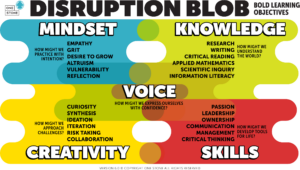
Beyond the Grade: How One Stone’s Growth Framework Empowers Learners for Life
Explore One Stone's Growth Framework empowering learners with holistic, real-world skills beyond traditional grading systems.

SEL & Mindset
Connection and Co-Regulation Precede Self-Management: A Common Sense Approach to Learning, Development and Discipline
Explore the impact of co-regulation over punishment in school discipline for fostering student self-regulation and healthy brain development.

Early Learning
Early Learning Strategies for Developing Computational Thinking Skills
We live in a world with Smartphones and Smarthomes, and understanding how devices work allows us to approach technology as a partner to help us solve problems. Here's how we can start giving kids these skills sooner rather than later.

Personalized Learning
Talking Math: 100 Questions That Help Promote Mathematical Discourse
By: Gladis Kersaint. Do the questions you ask in math class open a door for students to really share their knowledge in a way that highlights their true understanding and uncovers their misunderstandings? Here are 100 questions and an infographic to help you promote mathematical thinking and encourage classroom discourse.

Leadership
100 Education Hashtags for Teachers and EdLeaders
Hashtags can help you take part in important conversations and make valuable connections whether you’re a teacher, principal or superintendent. Here are 100 of our favorites.

EdTech
AI Agents Are Coming to a Classroom Near You
AI agents in education offer personalized learning, but require administrators to ensure equity, privacy, and proactive policy creation.

New Pathways
Integrating Traditional Assessments into Non-Traditional Learning Environments
Explore how microschools innovate assessments, embracing mastery-based learning, AI, and alternative methods for diverse learner success.