


Archive: 2018
Project-Based Learning
HQPBL Case Study: Albemarle County Public Schools
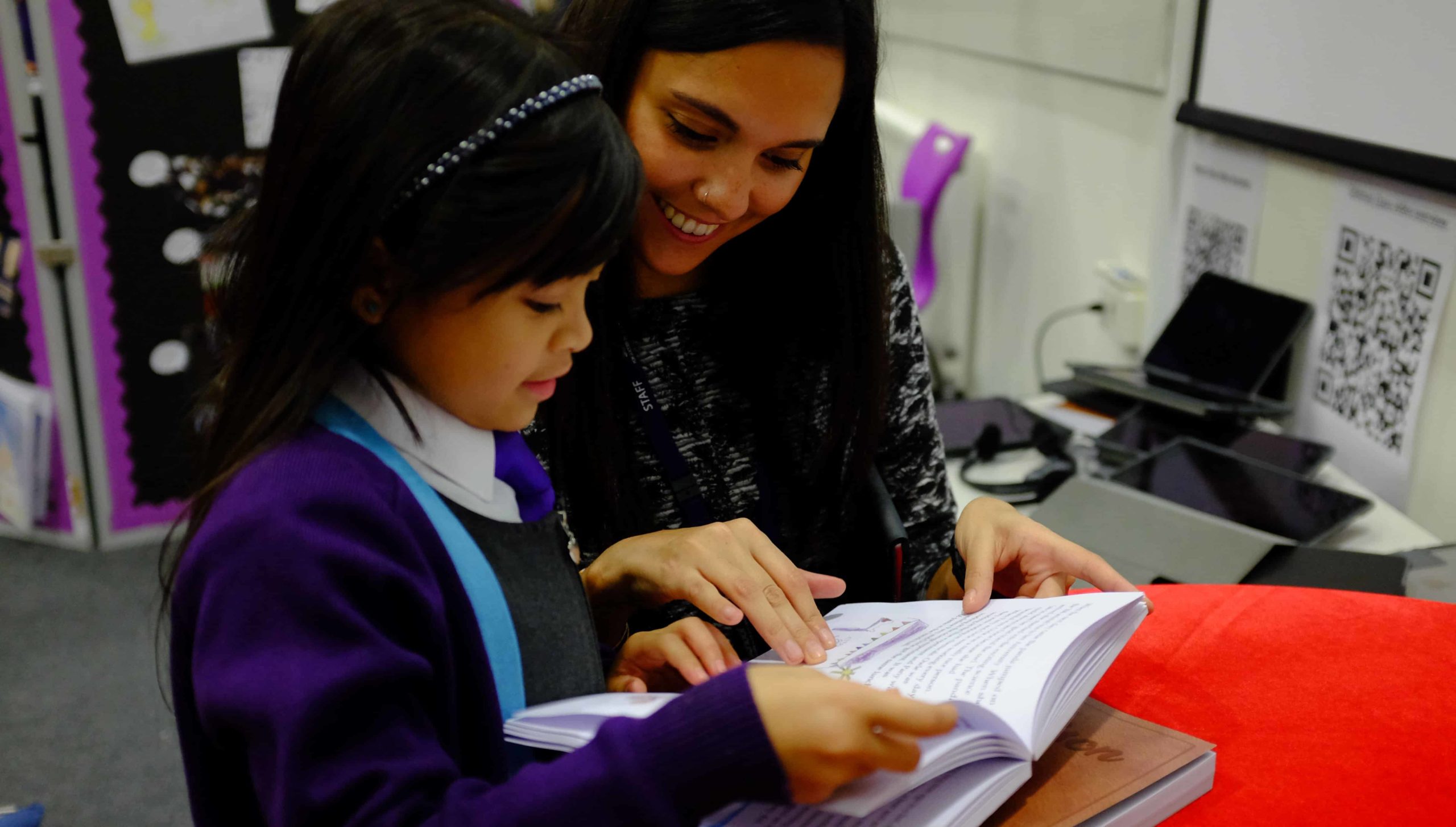
The walls are covered with products and classrooms are buzzing with voices and sounds of collaboration. Students are working on integrated projects tied to passions, interests and real-world causes. This is a common scene found in most classrooms in Albemarle County Public Schools, located at the base of Shenandoah National Park in Charlottesville, Virginia.
Future of Learning
Now That We’re Augmented, What Should We Learn?
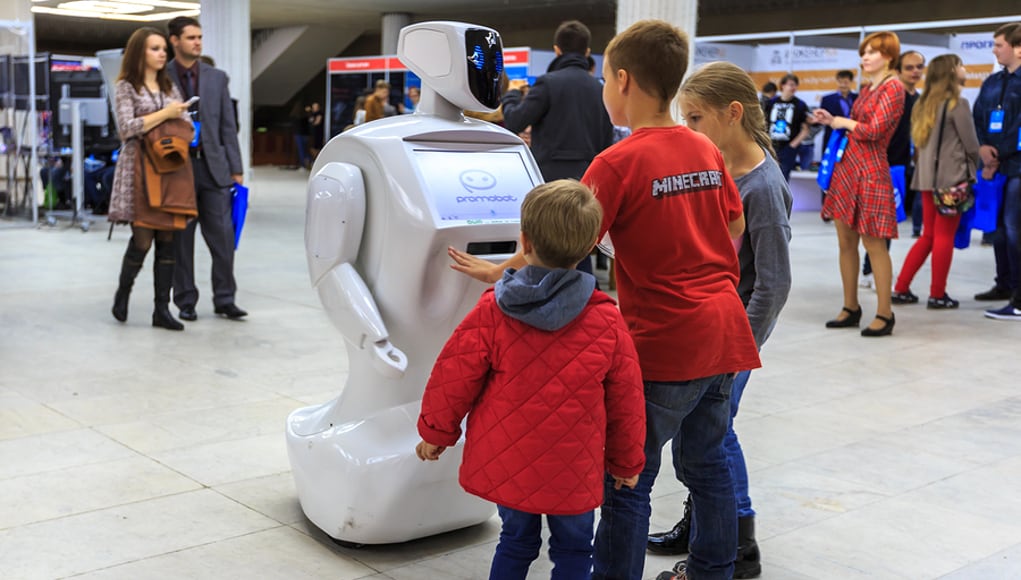
The new age of innovation (often referred to by the WEF and others as the Fourth Industrial Revolution), in which we are all partners with smart machines, demands three new developmental priorities. Here, we provide an overview of what they are, and how we can focus on them.

Project-Based Learning
Agency and High Quality PBL
In addition to supporting deep learning and the 4 C’s, the 6 criteria of High Quality PBL hold the ability to support another critical outcome: Student Agency, the tendency and ability for students, of their own volition, to improve or extend their own learning.

EdTech
Leveraging Digital Depth Technologies in Education
Because of the hype surrounding wearable, augmented reality and virtual reality technologies, it is important for educators to have a frame for thinking through the various ways that they might be employed for learning and what the implications of using them might be.

Ed Policy
Education Systems Should Be Based on How Students Develop
A flowering of research from neuroscience, psychology, early childhood, and a variety of other disciplines on the science of learning and development has begun to shed light on what is necessary for students to reach their full potential. How can our systems catch up to these findings?
Project-Based Learning
HQPBL Case Study: The MET School
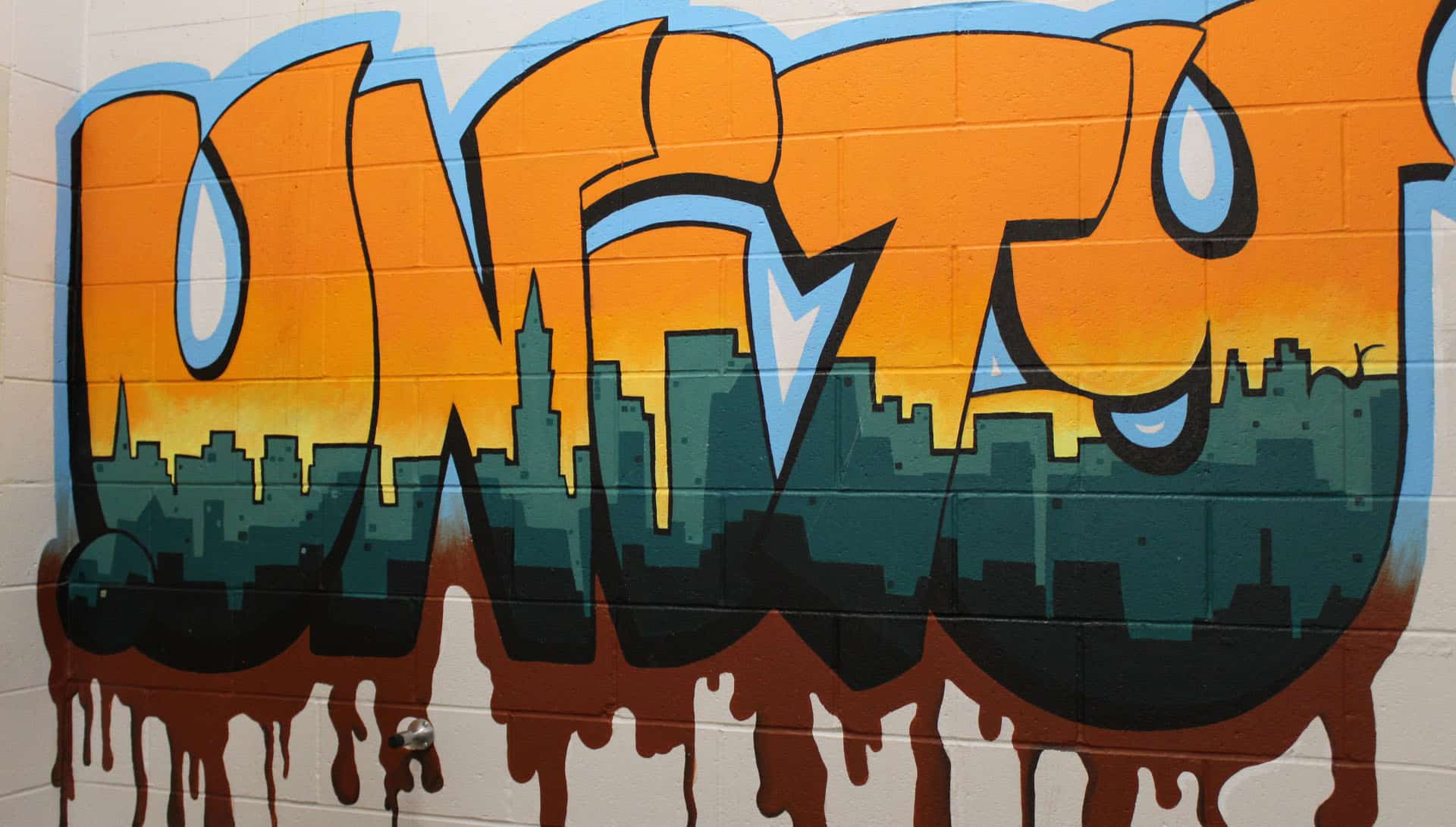
Projects at The Met are connected to individual student goals, and each project includes specific skills students need to address. How does it work, exactly? Students are grouped in small cohorts (or essentially small communities), each with a bonding name like Unity or Liberty. Cohorts collaborate to tackle problems, support each other, and collaborate on projects.
Project-Based Learning
High Quality PBL Meets Mental Health
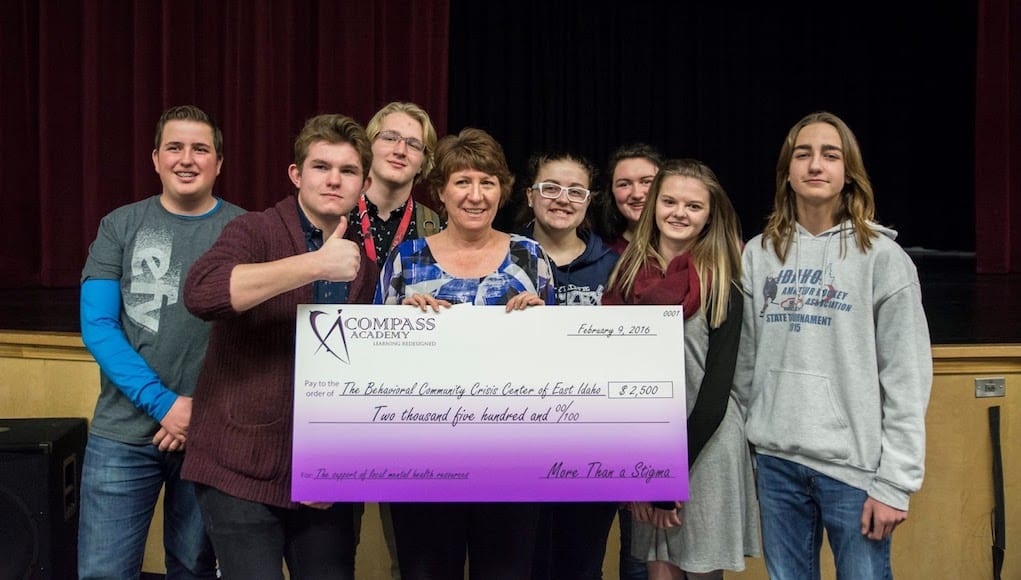
My students recently decided that they wanted to start one of Idaho’s first mental health awareness campaigns. Their goal was to educate their community, reach out to schools, provide informational seminars and fundraise for local non-profits--and that’s just what they did.
Future of Work
Attacking Complexity with Confidence
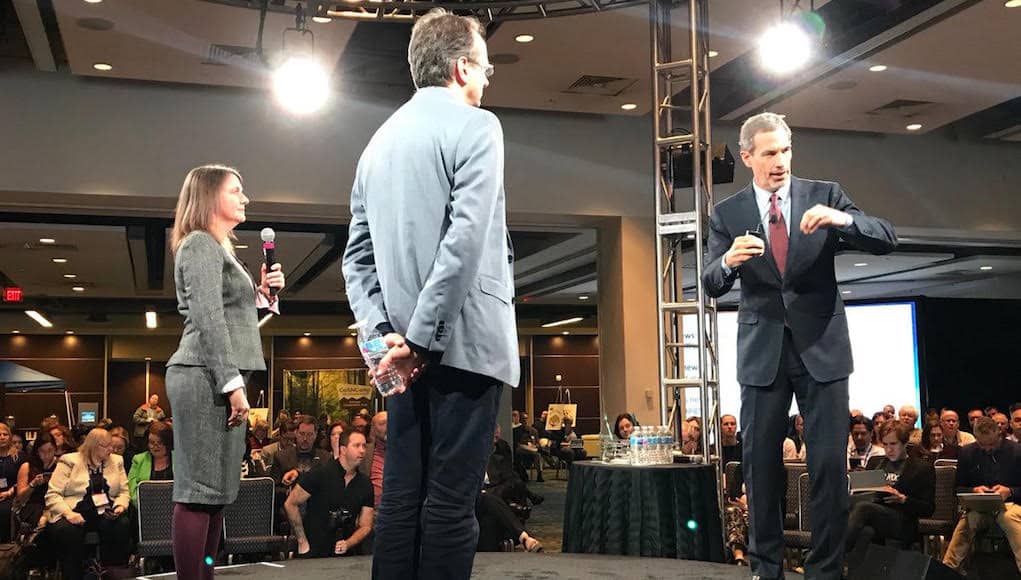
By: Jonathan Rochelle, Katherine Prince and Tom Vander Ark. One thing we know for sure—tomorrow will be more complex than today. We’ve entered a new era that’s driven by artificial intelligence and education must adapt. Our students deserve a new set of learning priorities (not just more added to a crowded set of learning objectives).

Equity & Access
Building on the Power of Digital Badges to Create Future-Ready Learning and Job Experiences for Students
By: Connie Yowell. Badges open up a world of learning that many students previously did not have access to. Through badging students can take their learning outside of the school building, unlocking a world where they can learn skills that are of greatest interest to them or their future career, at a time and place that best suits their needs.
Future of Learning
How Shared Values at DSST Shape Youth Development
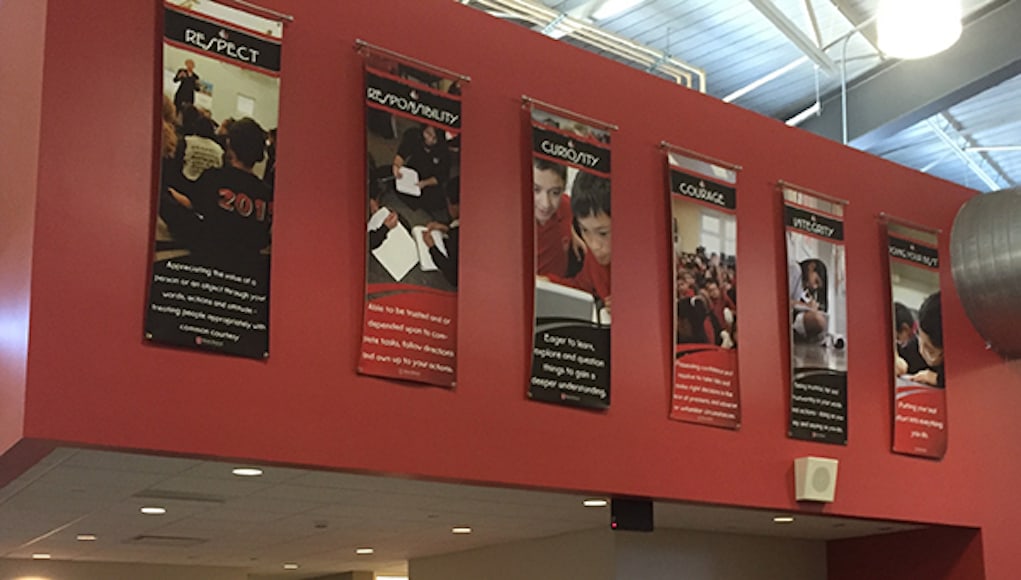
Shared values are central to life and learning at DSST. “We’re a values first organization,” said CEO Bill Kurtz. The shared values are alive in the DSST culture, practiced in the advisory system, and applied in real life learning opportunities.