


Archive: 2018
Future of Work
The Evolution of Education Through the Power of Partnerships
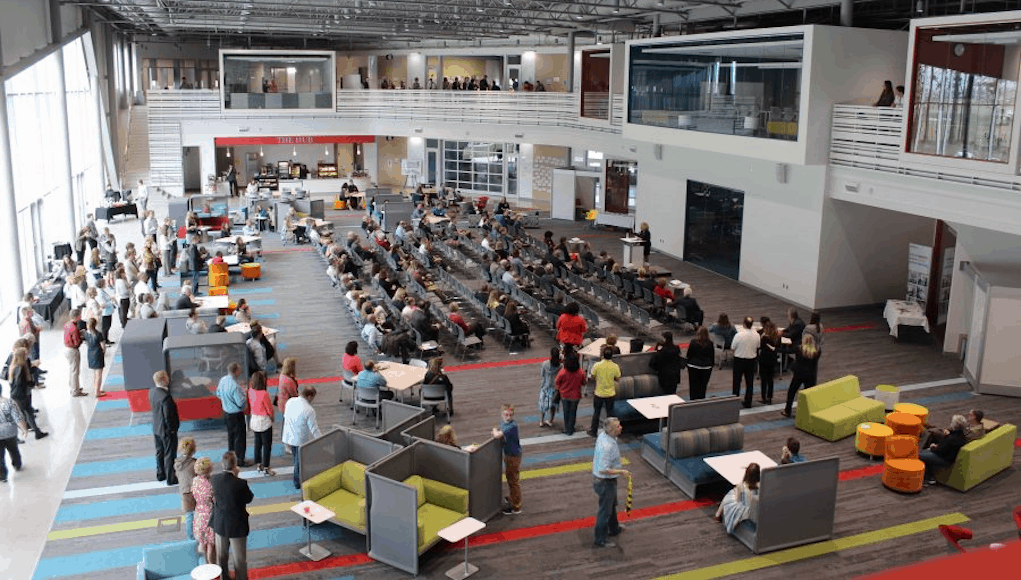
By: Salar Chagpar. In this post, we look at how strategic pathways between educational institutions in partnership with industry are changing the ways that we prepare students for the future of work.

Future of Learning
Building the Cognitive Muscles to Thrive in the Automation Age
The Information Age was a four decade long global sprint to incorporate information technology; the World Economic Forum calls it the Third Industrial Revolution. It changed how we live, work, play, and, just in the last few years, how we learn.

EdTech
Data Interoperability: Applying Playground Principles to EdTech
Share. Play nicely together. Get along with others. For most of us, these lessons are imparted at a tender and impressionable age in order to lay the groundwork for our development into successful adults. Why doesn't data work this way?

STEM & Maker
What Does Space Exploration Look Like in K-12 Education?
As space exploration is currently being refocused, it is also a good time for educators to consider how they might approach space exploration in the classroom.
Equity & Access
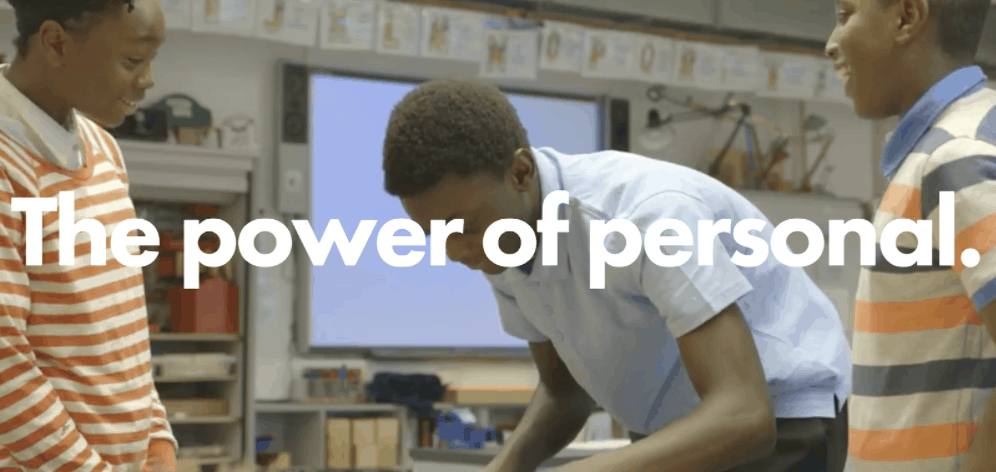
Author Todd Rose: Learning is Personal, So is Success
A look into the work of Todd Rose, his upcoming book, "Dark Horse," and why learning and success must be and are so personal.
Leadership
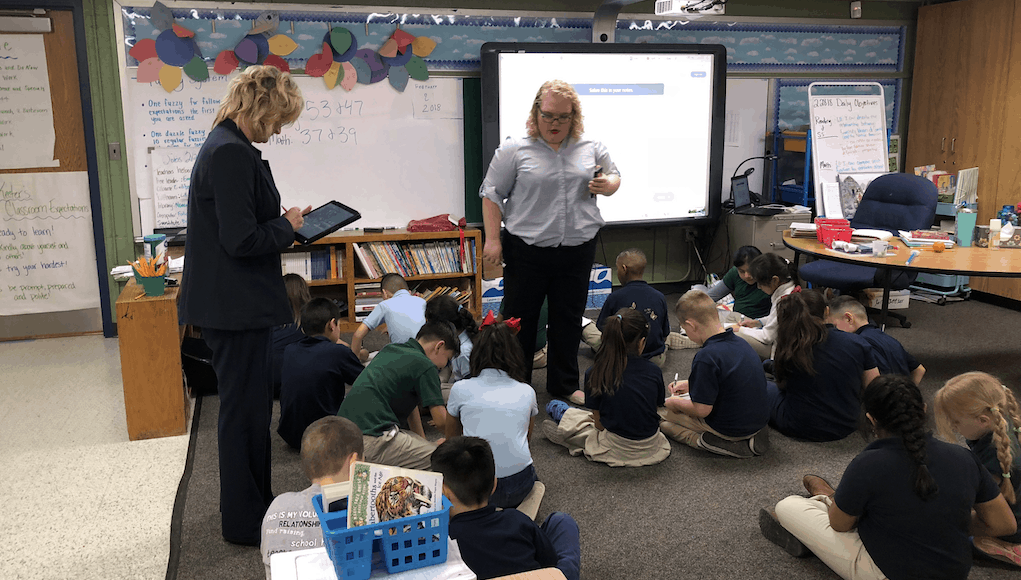
Coaching Yields Better Formative Assessment in Tulsa
Formative assessment coaching helps teachers to shift their thinking from the teacher role to the student role within the classroom so that students become more involved in, and responsible for, learning. Here, we explore this (and other benefits) in greater detail.

Leadership
How to Balance Teacher Buy-In With the Need for Innovation
To deny children digital learning experiences is to deny them opportunities to acquire the very skills and competencies students needed for success beyond the classroom. So, how do school leaders balance buy-in and the need to make the digital transition?
Project-Based Learning
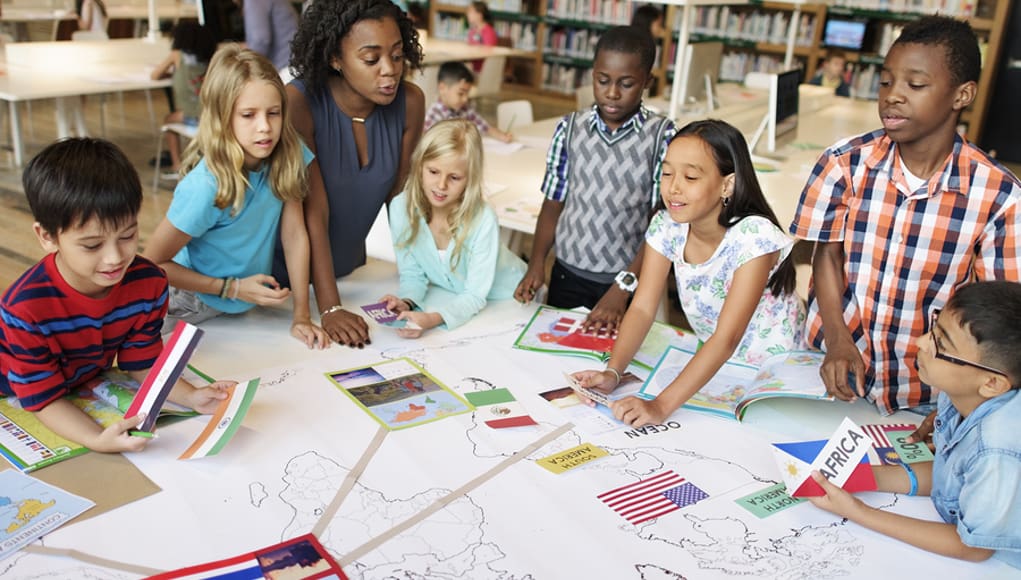
How Project-Based Learning Helps Special Needs Students Collaborate and Connect
By: Jill Koenemann. We were looking for a curriculum that would move beyond teaching the classics and would help students connect what they were learning with their own lives. The conversation quickly shifted to project-based learning (PBL). This approach suits children with learning difficulties because it allows them to work at their own levels of differentiated learning.
Project-Based Learning
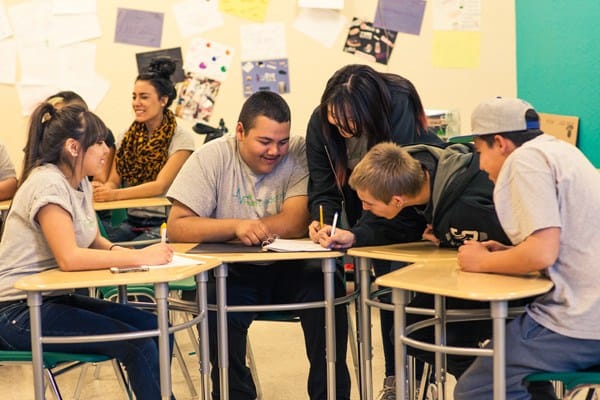
Community Defined Projects at Health Leadership High
A visit to project-based Health Leadership HS, a talent pipeline and advocacy organization for a healthier community in Albuquerque, NM.

Ed Policy
Reflections on NAEP: Breaking the Reactionary Cycle
In the wake of large-scale test score releases (especially those showing mediocre or negative results), political will for innovative educational programs often subsides. A system perspective shift toward whole-child development could stem this trend.