

Archive
component:where.learning-spaces
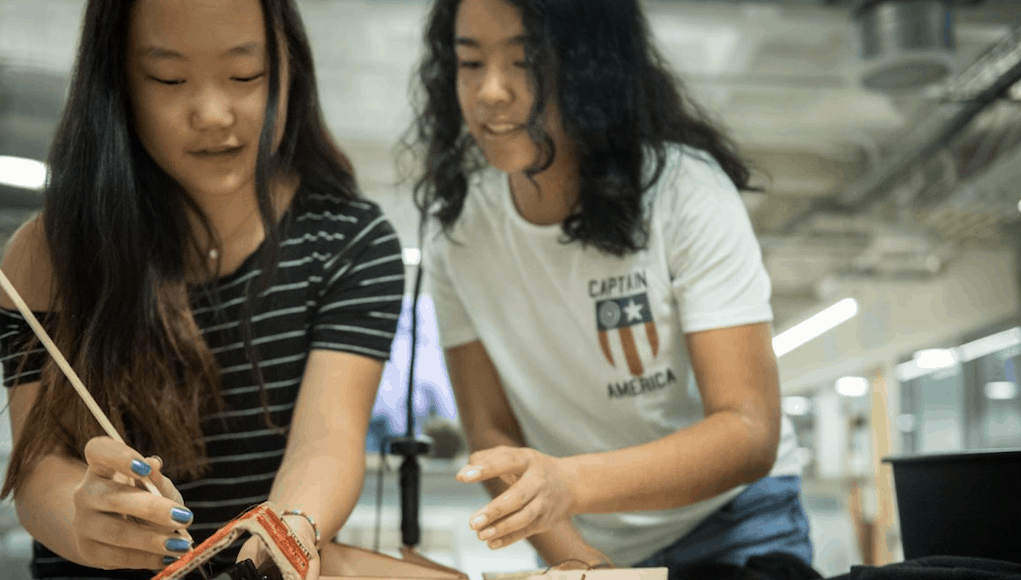
Why Schools Need Research and Design Space
Join Tom Vander Ark on the blog as he explores Beaver Country Day School's Research + Design Center, a state-of-the-art innovation hub designed to promote student-driven learning.

Space Education Allows Students To Dream Big
We are a few weeks away from the 50th anniversary of Neil Armstrong’s historic moon walk. Celebrate the event by engaging your students in projects, lessons, activities and field trips focused on space exploration.
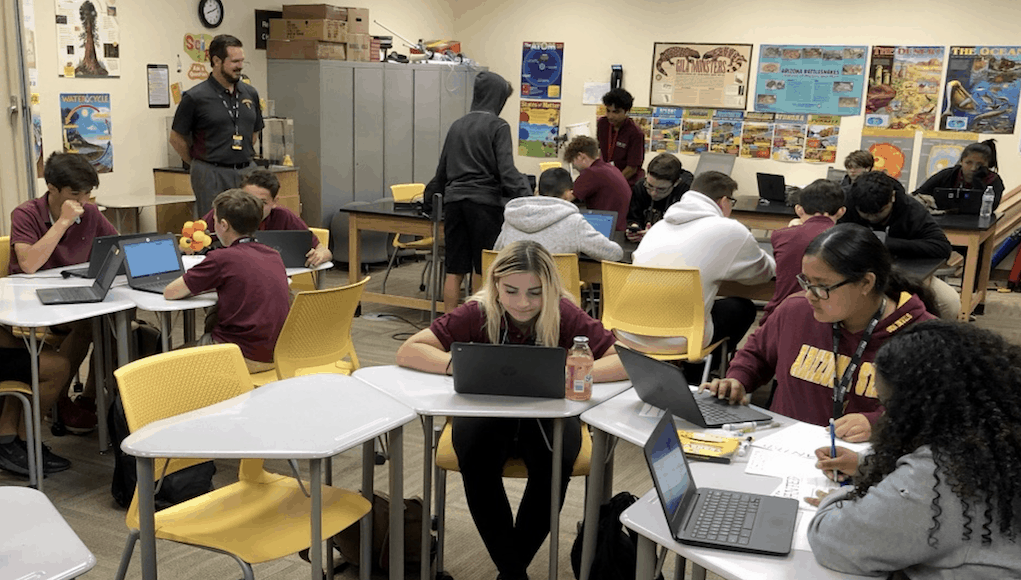
ASU Prep: Blended College Prep with a Little Extra Kick
The Getting Smart team had an opportunity to visit two of the six ASU Prep Academies. Learn more as we share insights on ASU Prep Casa Grande, Prep Poly and their approach to personalized learning.
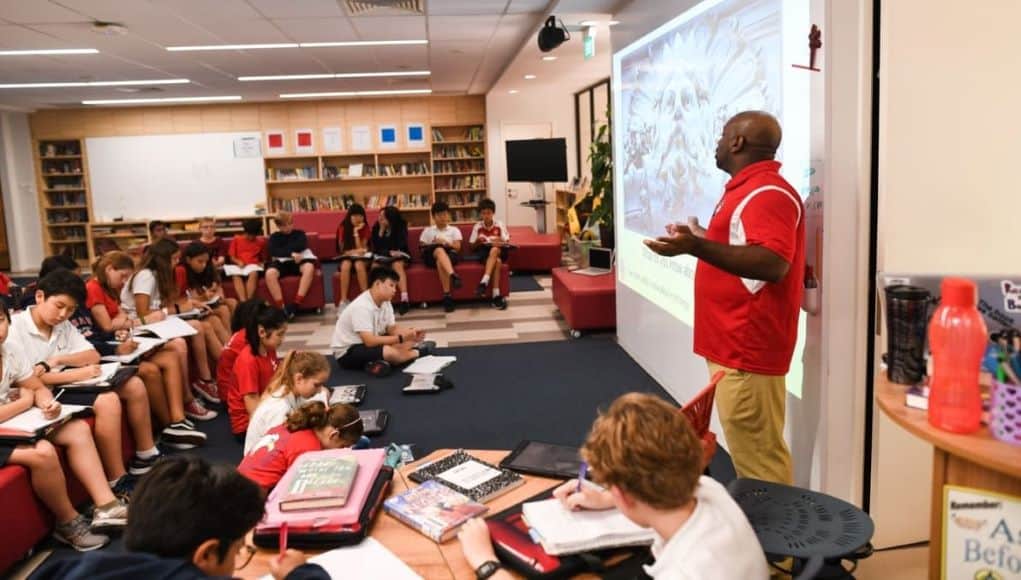
Mythbusters: Flexible Learning in Middle School
Lauren Mehbrach, Chris Beingessner and Chris Raymaakers clarify misconceptions for middle school families about the move to flexible learning spaces. This Singapore American School team shares how it aligns to our changing world and better prepares students for the future. Learn more on the blog.

Getting Started with Personalized Learning
The Getting Smart Staff shares a list of resources for getting started with personalized learning.
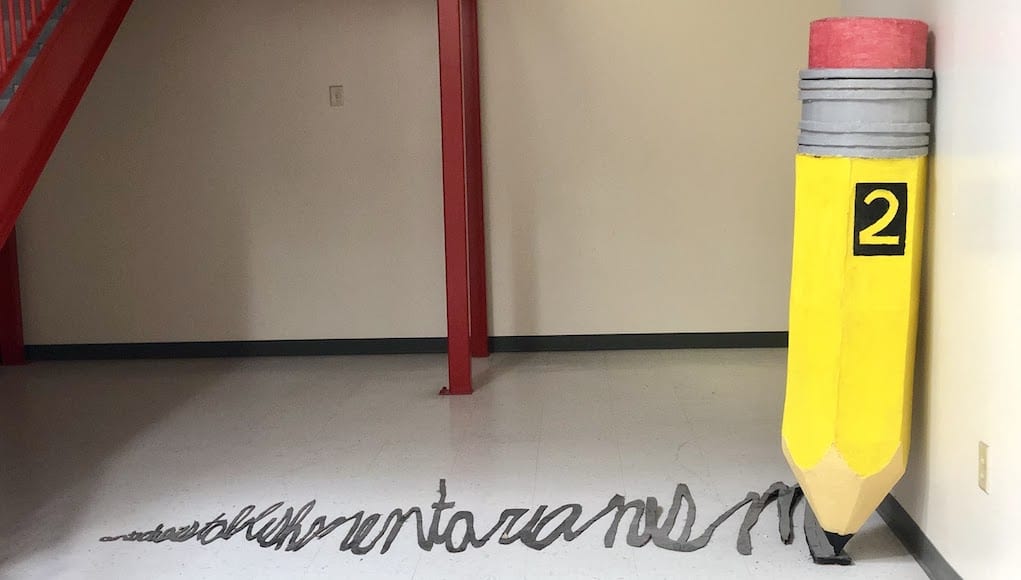
Learner-Centered Schools in Albemarle County
Emily Liebtag visits schools in Albemarle County that are designed around student needs, interests, academic goals, and passions.
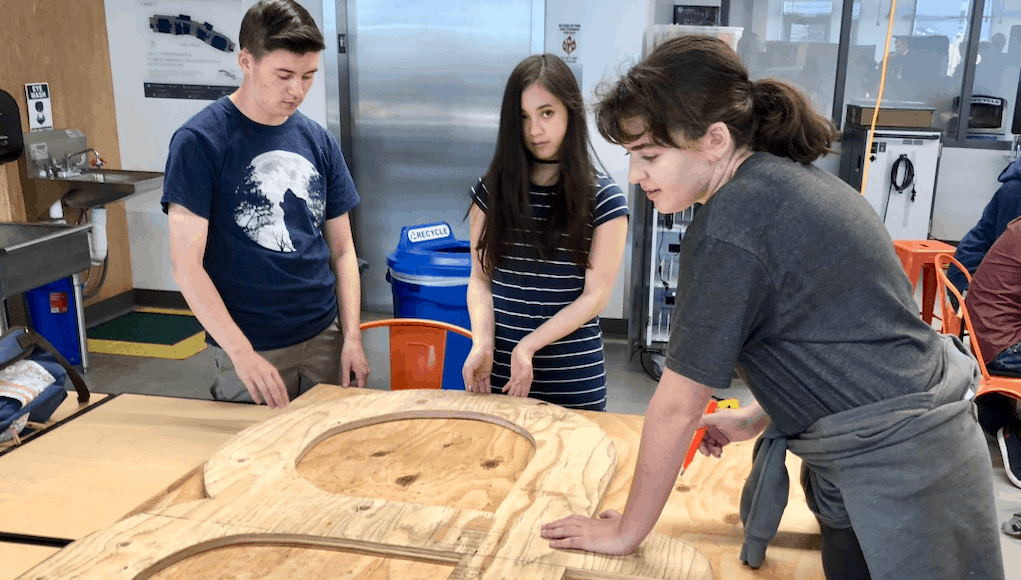
Getting Started with Design Thinking
The Getting Smart Staff has assembled articles, podcasts and case studies to help you and your community get started with design thinking.
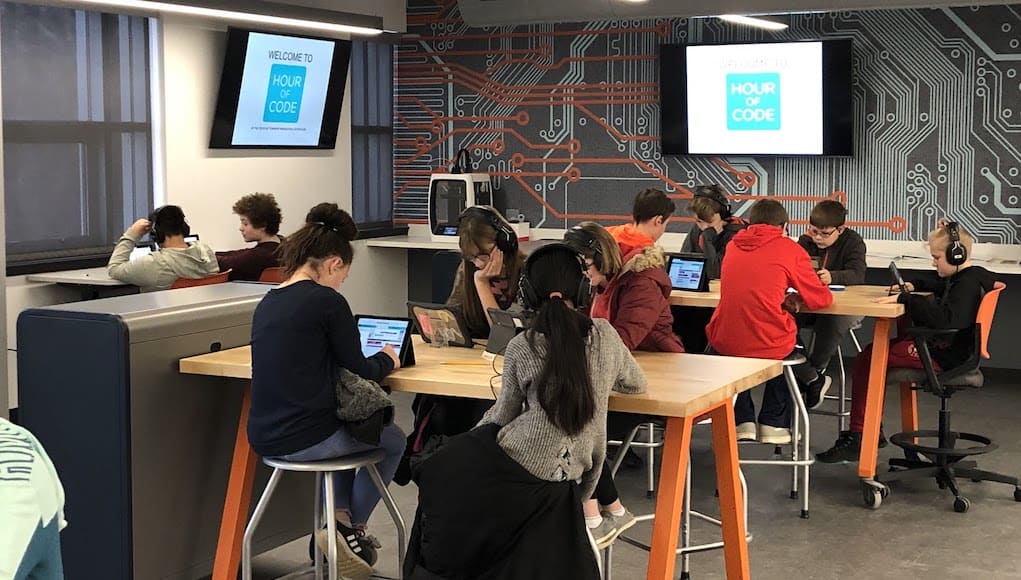
The Benefits of Creative Learning Spaces in K-12 schools
By: Brian Bulmer. As technology and innovation become the first priority for school districts, it’s important that students are offered creative learning spaces.
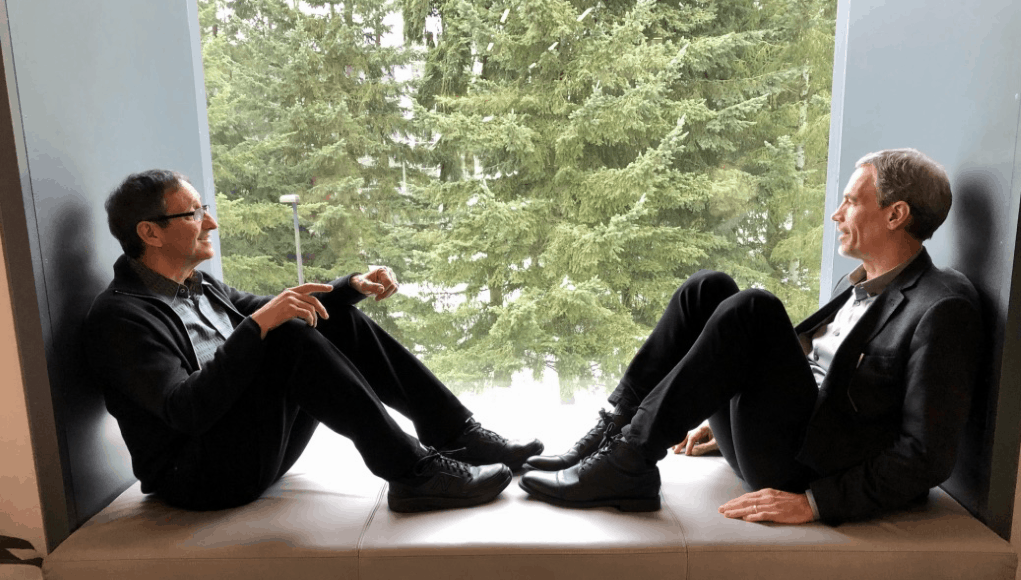
Learning Environments for the Future: 4 Tips from Randy Fielding
Randy Fielding, the founder of Fielding Nair International, a global leader in designing learning communities, sits down with Tom and shares some of FNI's design principles aligned to the future of learning.
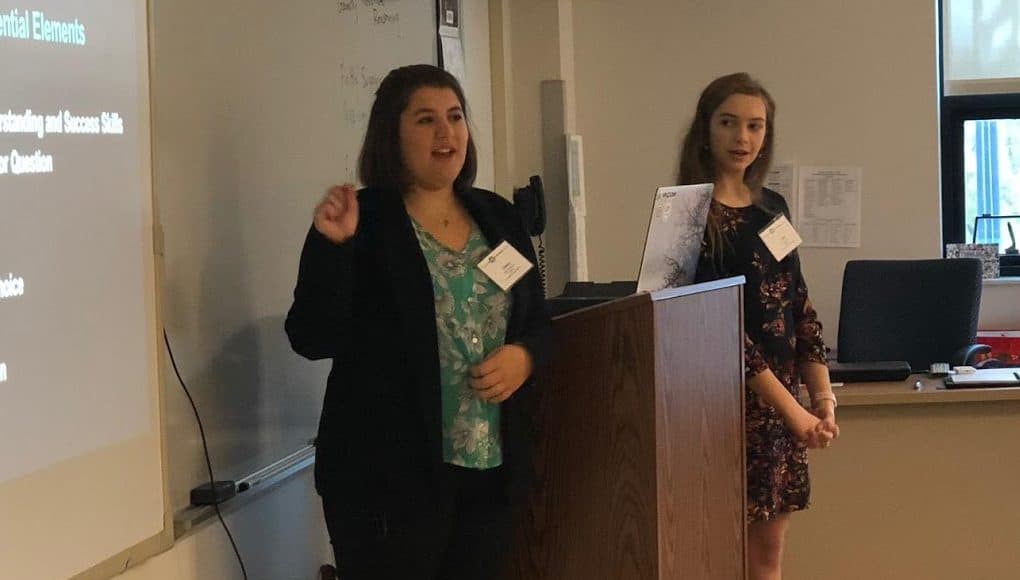
The Future of Work: How Do We Prepare Our Students?
Acknowledging that today’s students will need a variety of 21st century skills upon entering the future workplace, Rachelle Dene Poth explores five types of learning experiences that facilitate the student learning process.