

Archive
element:what

Learner-Centered Vision Will Frame Next Generation Learning
A learner-centered vision starts from the evidence that all children are naturally curious and motivated to learn. It envisions a system that adapts to learner needs and interests and supports their development of knowledge, skills, and dispositions they need to thrive.
Making MOOCs Teacher-Centered, Competency-Based and Personalized
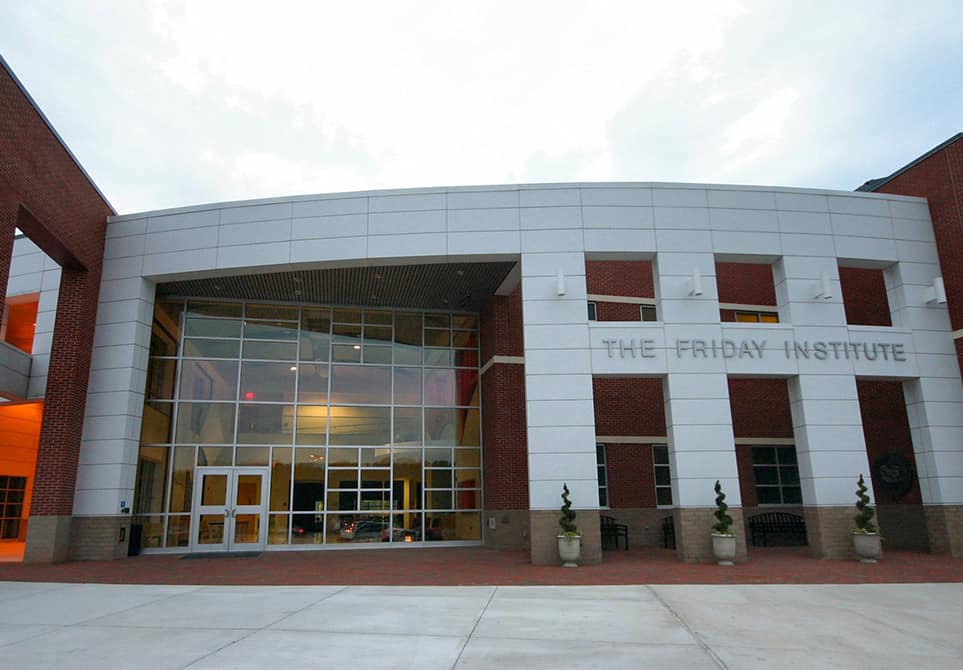
The Learning Differences team at the Friday Institute is employing a modified take on the “traditional” MOOC structure, for their MOOCs for Educators, or MOOC-Eds, which is allowing them to meet the unique learning styles of teachers participating in the new course.
Awarding and Supporting Teacher Community Focused on Student-Centered Entrepreneurship
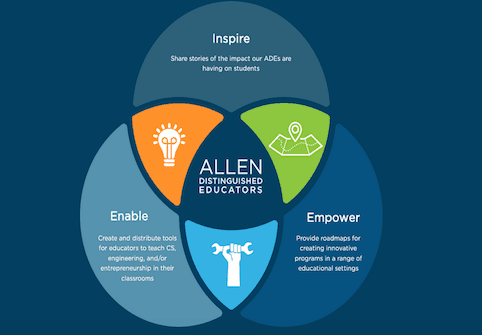
The Paul G. Allen Family Foundation is taking support for entrepreneurialism in education to the next-level. Don’t get me wrong. There’s no shortage of support for entrepreneurialism in education. USASBE’s Excellence in Entrepreneurship Education award focuses on HigherEd,…
Infographic | 7 Key Competencies for Whole System Change
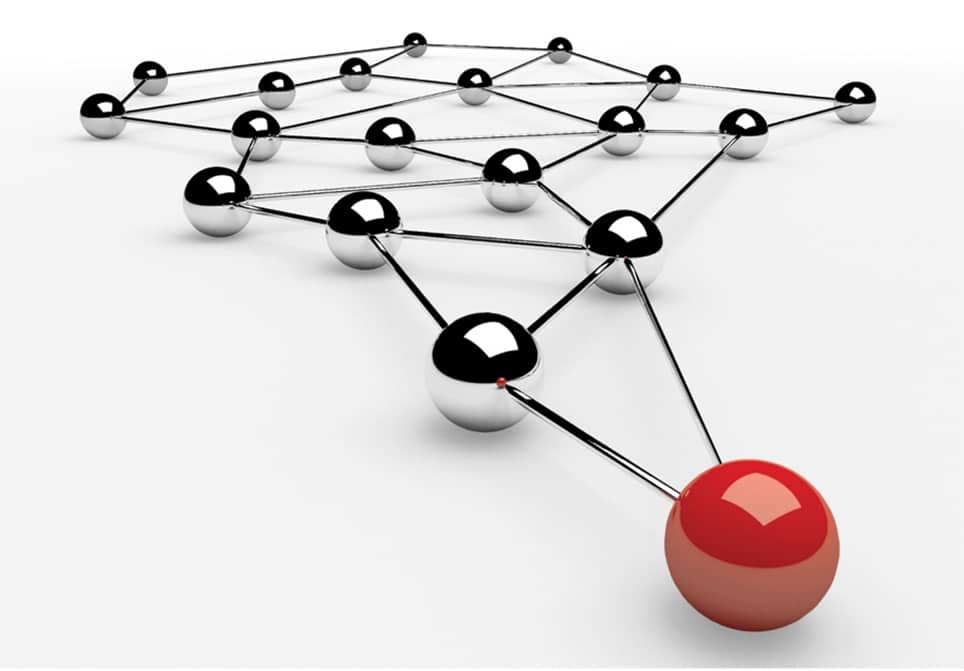
In 'Leadership: Key Competencies for Whole-System Change' published by Solution Tree, Getting Smart Advocacy Partner, authors Lyle Kirtman and Michael Fullan identify seven key competencies for leaders to create and sustain systemic change.

How to be the Superhero in your own Movie
By: Dhruv Govil. Now more so than ever it’s possible to be the superhero in your own movie. Here are the mindsets and strategies that worked for me as I went from almost failing out of high school to Sony Pictures.
New Routes to the Classroom: Online Teacher Prep
TEACH-NOW from the Educatore School of Education is an example of innovative, learn by doing, online teacher prep and certification program that provides an interactive collaborative and efficient certification option for next-gen educators.
Personalizing and Guiding College & Career Readiness
A DLN Smart Series paper that offers details on processes, existing tools and best practices for creating a system of student guidance and support.

What I Learned From My Daughter’s First “C”
So, what did I learn from my daughter’s first “C" I learned there’s a fair amount of “unlearning” that still has to happen before we will all feel comfortable in completely competency-based learning environments. As more and more schools shift from letter grades to levels of mastery, we would all do well to continue challenging the assumptions we all have about how we define and describe when learning is or isn’t happening.

Toward Better Growth Measures
Better growth measures are key to the future of personalized learning and the end of heavyweight year end tests. As more students progress on personalize pathways, it is necessary to develop comparable growth rates to ensure that all students are making adequate progress.
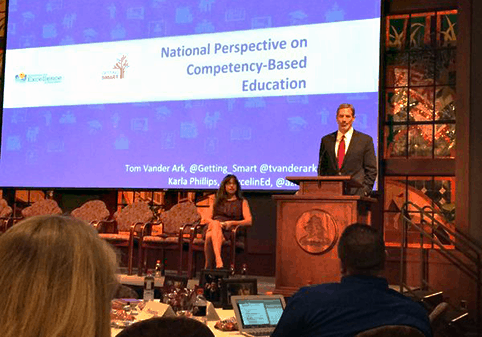
Utah EdLeaders Consider Competency
Co-authored with Karla Phillips. Elected officials, state board members, K-12 and HigherEd leaders gathered at Southern Utah University for a Joint Education Conference to talk system improvement and innovation. The discussions addressed five potential next steps including flexibility from time based systems, a transition to proficiency-based diplomas and anytime, anywhere learning.