

Archive
component:what.educator-leader-portraits

Designing, Assessing, and Implementing Educator Micro-credentials
After a year of collaborative development, CCSSO, Digital Promise, and other national organizations have released a set of principles for relevant and impactful educator micro-credentials.
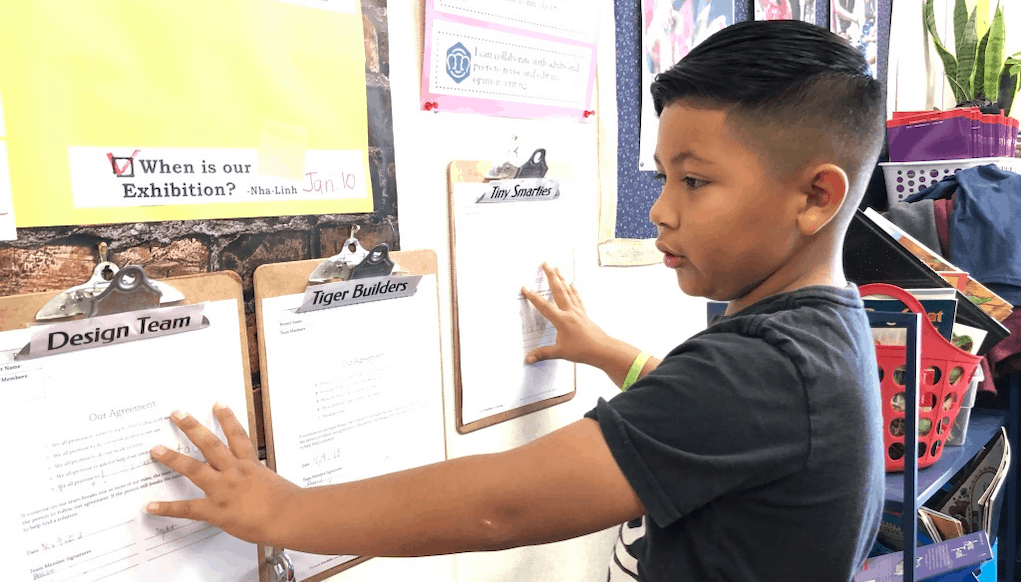
Show What You Know: A Parent’s Guide to the Global Shift to Competency
Our education system has six big problems, but solutions spurred by global initiates are emerging to tackle these prevalent issues.

The Intellectual Hunger of Teachers
D. Ross. This month's edition of chronicling the author's return to the classroom focuses on the persistent intellectual hunger of American teachers.

10 Inevitable Education Evolutions Educators Can Lead
If educators allow politicians, researchers, and pundits to take charge of the evolution in education, it will be delayed and implemented with less clarity. It’s time for teachers to be change agents, thus owning the profession.
20 Reasons to Give Thanks for Teachers
Getting Smart is grateful for educators around the world that promote student-centered learning experiences. We’ve compiled 20 teacher behaviors that are making a positive impact in the lives of students and saying thanks.
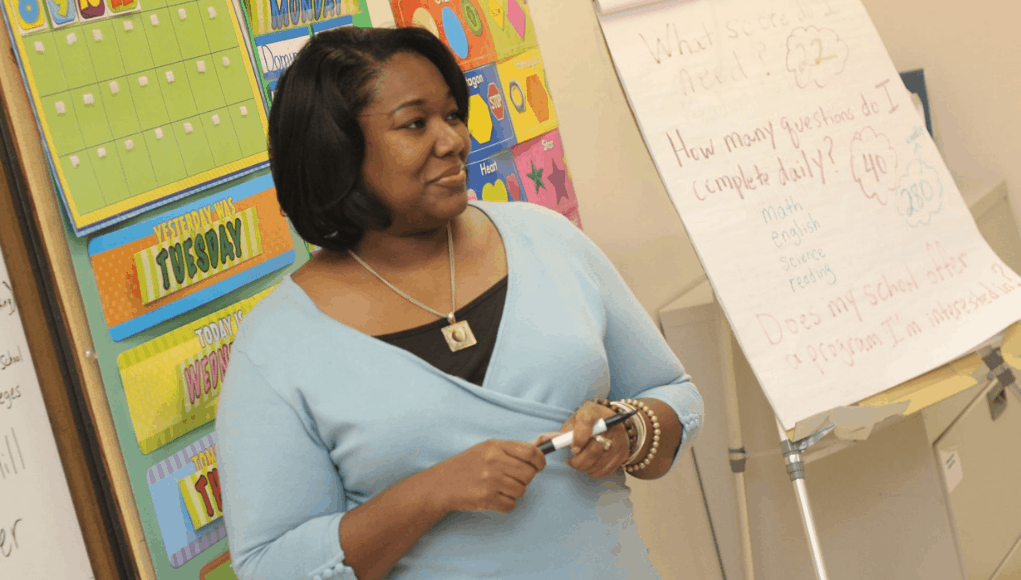
5 Ways to Make All Students Lead Learners
Teaching is the highest form of learning. Yet many students never have the opportunity to become lead learners where they learn at the highest level by having the responsibility of teaching others. Check out five ways all educators can expand the opportunity for all students to learn at the highest level by all becoming teachers.
Podcast: Ron Berger on Helping Students Become Leaders of their Own Learning
On this weeks episode, Tom is speaking with Ron Berger, the Chief Academic Officer at EL Education on helping students become leaders.

Permission to Feel: The Link Between Emotional Intelligence and Academic Success
Skills and experiences are a big part in how students develop success, but one area that we may have traditionally ignored is that of emotional intelligence.

The Future of Work Fits Some Employees and Students to a ‘T’
Employees with T-shaped skill sets are in demand. Schools and colleges can evolve instructional practices and course design to help graduates develop T-shaped skill sets.

What is Mastery Learning?
By Scott Ellis. Today, through technology, tools, and expertise, we have the ability to scale mastery learning at a national level. The question is: will we choose to do it?