

Archive
component:what.competencies
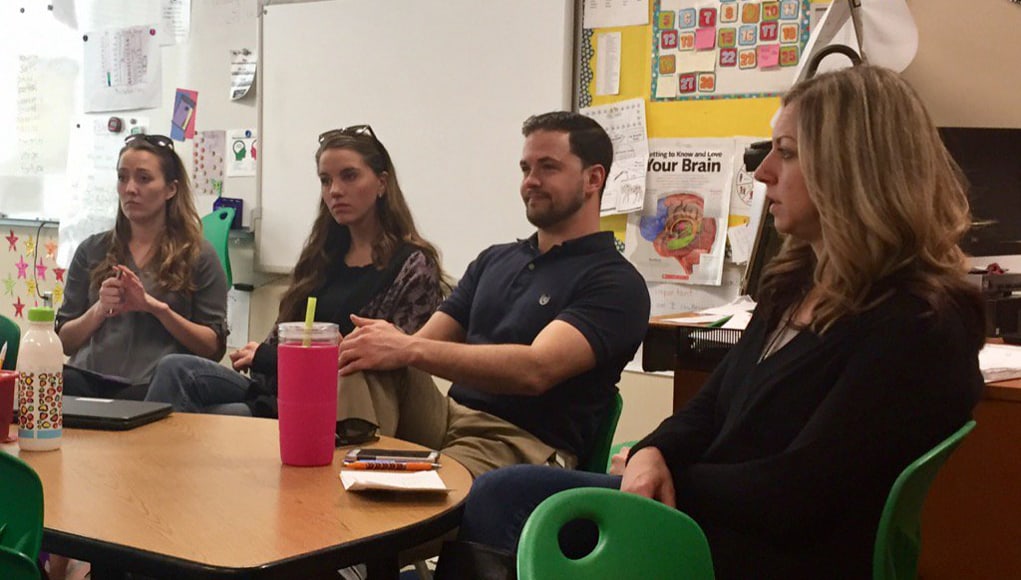
The Vision of Performance-Based Education at District 51
During my visit to District 51 in Colorado to observe its shift to competency-based education, I learned more about how leadership is shaping the overall vision to create a culture that includes growth mindset and social & emotional learning.

Listening is a 21st-Century Skill
By: Scott Petri. Many students are poor listeners simply because no one has shown them how, so here are some resources to help embed teaching this 21st-Century skill throughout curriculum.

Shifting Paradigms to Respond to the Demands of a Global World
Globalization and the spread of technology have pushed new paradigms into the classroom. How can teachers adjust their practices to prep students for the 21st-century? Find out here.

New Zealand Leads the Way on Competency-Based Learning: Part 2
In part one, I highlighted the research underpinnings, move toward equity, and cultural roots at play in New Zealand's competency-based education. Here, I conclude those thoughts with takeaway notes from some of New Zealand's leading experts.

New Zealand Leads the Way on Competency-Based Learning: Part 1
By: Susan Patrick. New Zealand has been exploring competency-based learning and assessment as a way to move toward education equity for decades. Here, I look at where they're headed and lessons from the journey so far.
The 5 Pillars of Whole School Transformation
By: David Ross. Having concluded our recent study of 75 "Exemplar Schools" succeeding at providing 21st-century learning, we believe these are the foundational features necessary to transform into a 21st-century school.
Developing Leadership Qualities in the Classroom Through SEL
By: Diana Clark. Social-Emotional Learning (SEL) can help students develop the life skills necessary for their future success and happiness. It can even help them develop leadership skills!

What is Curriculum? From Managed Instruction to Personalized Learning
Teachers have always supplemented core curriculum to meet the needs of students, but the digital classroom of today has created a blended, mix-and-match, DIY world of education. In this environment, what is curriculum, and who develops it?
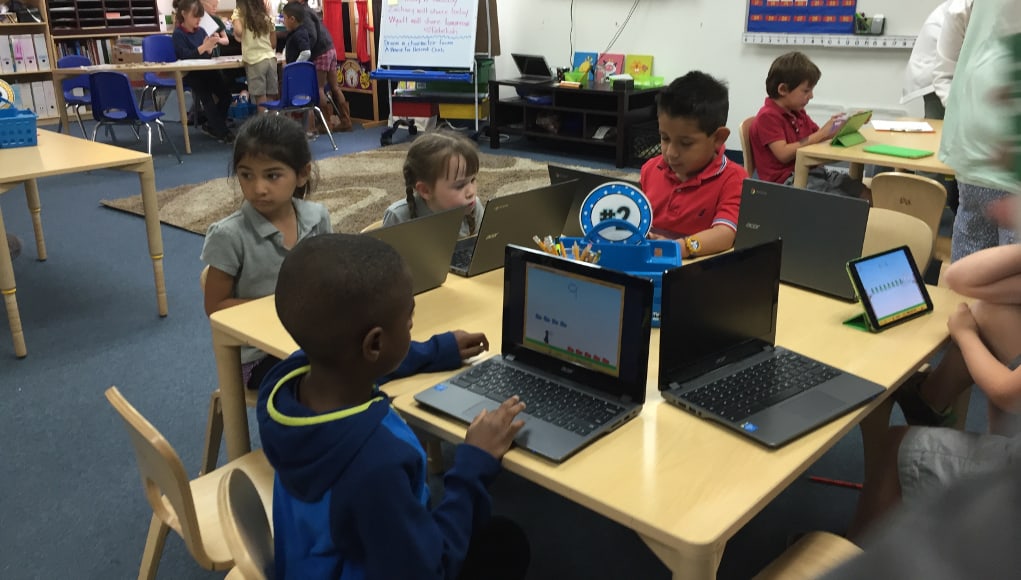
Really Ready Students in Action
Recently we have been writing about what it means to be #ReallyReady for college, work and life, discussing five critical dimensions of readiness. Here are several examples of schools that implement these elements for their students.
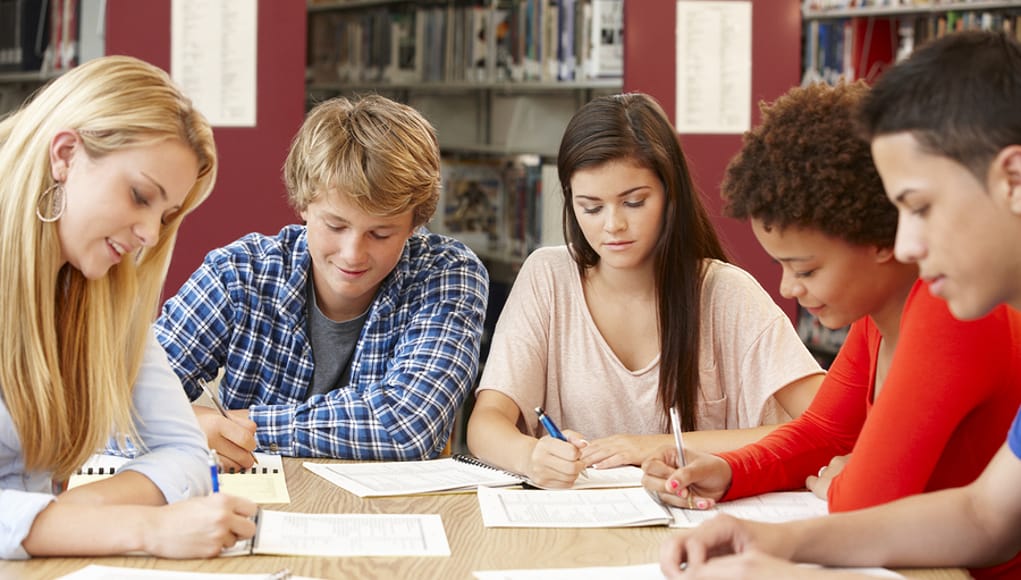
Teaching Collaboration Through Preparation and Project-Based Learning
By: Dr. Jordan Lippman and Suzi Neft. It is critically important to start teaching the 21st-Century skill of collaboration as young as possible—ideally in early elementary school. One way to develop these skills is through Project-Based Learning.