

Archive
element:how
Designing for Belonging: Lessons from Districts Building What Technology Can’t Replace
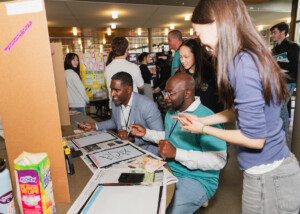
Discover how districts are wrestling with what AI can't replace, prioritizing human skills like belonging, judgment, and connection through systemic redesign.
Can’t. Will. Did.: How One Teacher-Mountaineer Is Bringing Social-Emotional Learning Outdoors
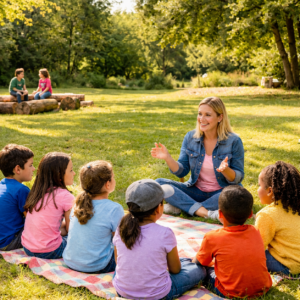
Teacher-mountaineer Kimber Cross brings SEL outdoors with “Can’t. Will. Did.” and Summit Kids—stories built on CASEL skills.
Educational fMRIs: Dynamic Pedagogy and Pedagogical Analysis in the Multimodal AI Era
Explore how education fMRI can enhance understanding of student assessment beyond mere scores and classifications.
AI Literacy is Not Tool Mastery: How to Build Sustained Educator Capacity
AI literacy isn’t tool mastery—educators need sustained, human-centered professional learning to build confidence and capacity.
Measuring What Matters: From Blunt Sorting to Human Thriving Powered by Multimodal AI
Explore the potential of Advancing Multimodal AI to reshape educational metrics and enhance human potential measurement.
Lever 2 for Deeper PoG Implementation: Teaching the Skills Behind the Portrait
How Norwalk makes Portrait of a Graduate skills real: teach them explicitly, embed in curriculum routines, and track progress via learning walks.
Innovating What We Measure: Assessment in the Service of Human Potential in an Era of AI and Uncertainty
To deliver on the promise of human potential, we must rebalance from the “assessment OF education” to “assessment FOR education,” transforming measurement into a dynamic pedagogical transaction that actively improves teaching and learning.
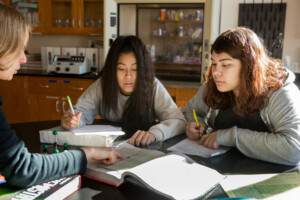
How AI Impacts the Use of Protocols in the K-12 Classroom
How AI reshapes K–12 instructional protocols—updating peer feedback and Critical Friends routines for an AI-powered classroom.
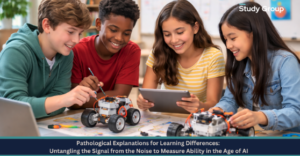
Pathological Explanations for Learning Differences: Untangling the Signal from the Noise to Measure Ability in the Age of AI
Hand Isaac Newton a tablet for a physics exam today, and he would bomb it—his brilliance obscured by an inability to navigate a simulation. We educators commit this malpractice against neurodivergent students daily, diagnosing their minds as deficient instead of our broken tests. Myth vs. Science Pamela Cantor,…
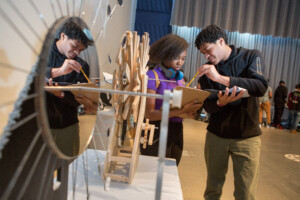
Why the Best STEM Lessons Start with Struggle
Productive struggle boosts STEM engagement—start with a challenge, normalize failure, and coach students through iteration.