

Archive
component:how.learning-experiences
12 Findings on Mind, Brain & Education
Mind, Brain, and Education is the first in a nine paper series from JFF called Students at the Center. Like all of JFF's work, the series focuses on helping students from all backgrounds graduate ready for post secondary education and the 21st century knowledge economy. Student-centered learning, according to JFF, provides "flexible learning experiences that enable students at various levels to build toward mastery of a common set of core skills. A commitment to addressing the individual needs and goals of each student is at the core of the model.

6 Leading Trends at SXSWedu
SXSWedu in Austin, Texas this week brought many innovative ideas to the forefront of discussion. Here are six trends that stood out in sessions, discussions, and more.
Are American Students Workforce Ready?
Are American students workforce ready? To what extent do schools teach workforce readiness skills? How do we measure workforce readiness of individual students? Is a national measure of workforce readiness a needed tool to increase the focus on workforce readiness? Can such a measure be developed and endorsed and utilized by all the sectors that “theoretically” need it?
Math Wars: The Debate Between Higher-Order Vs. Rote Learning
Recently, EdSurge published a fabulous post highlighting the escalating rhetoric that the Khan Academy has inspired among math educators and edupreneurs. Sal Khan’s success has brought to the forefront a discussion that has been ongoing in academic and education circles for some time. This debate parallels the one about Common Core Math Standards exemplified by the Wurman and Wilson article referenced in a recent Getting Smart post.
Welcome to the Post Textbook World: Ten Elements
A friend asked what I thought about Jay Mathew’s post on textbooks. I thought the rear view mirror critique of a process to pick better textbooks read more like a 1982, not a 2012 discussion – and certainly not the 2015 conversation we should be having.
Competency-based Approach Can Support Personalized Learning in Ohio
Nearly 40 percent of college freshmen in Ohio need to take remedial courses because they are unprepared for college-level work. The total bill for remedial classes in 2009 came to $130 million, rising to $147 million in 2010. Remediation is most costly to students who take longer to complete their degrees and are more likely to drop out.
PBL in Primary: Making Up the Rules
This year, I have been using PBL (passion or project-based learning) in my classroom. Although language arts and math have certainly been involved, I have mainly been using the outcomes of my science, social studies and health curriculum as the focal point of my backwards-by-design planning.
Support for Teachers: Simulated Classrooms, Online Networking and More
The key to ensuring all students graduate high school college and career ready is effective teaching. And the key to ensuring effective teaching for all students is effective professional development for educators. Professional development is the most powerful strategy that school systems have to help all educators acquire the knowledge and skills they need to effectively reach all students.
Wanted: A 21st Century Education
Well into the 21st century, we are still trying to get a handle on what a 21st century education really is – both the question of what young adults really need to know and be able to do and the question of the best way to help them get there. I first encountered this issue as a high-tech executive when coaching talented engineers through a series of workplace myths.
How Will Personalized Learning Really Work?
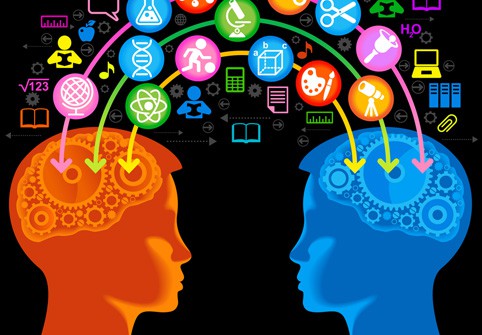
“How will personalized learning really work?” The question was asked today by someone who should know the answer—the strategy director for an educational software company. But that’s the nature of the dynamic shift underway.