


Archive
component:how.learning-experiences

Personalized Learning
15 Elements of Next-Gen Learner Experiences
Here are the 5 design components of learner experiences (LX) and 10 characteristics of LX to encourage high quality, next-gen learning for all learners at scale.
Difference Making
Design Thinking for Student Ownership of Learning
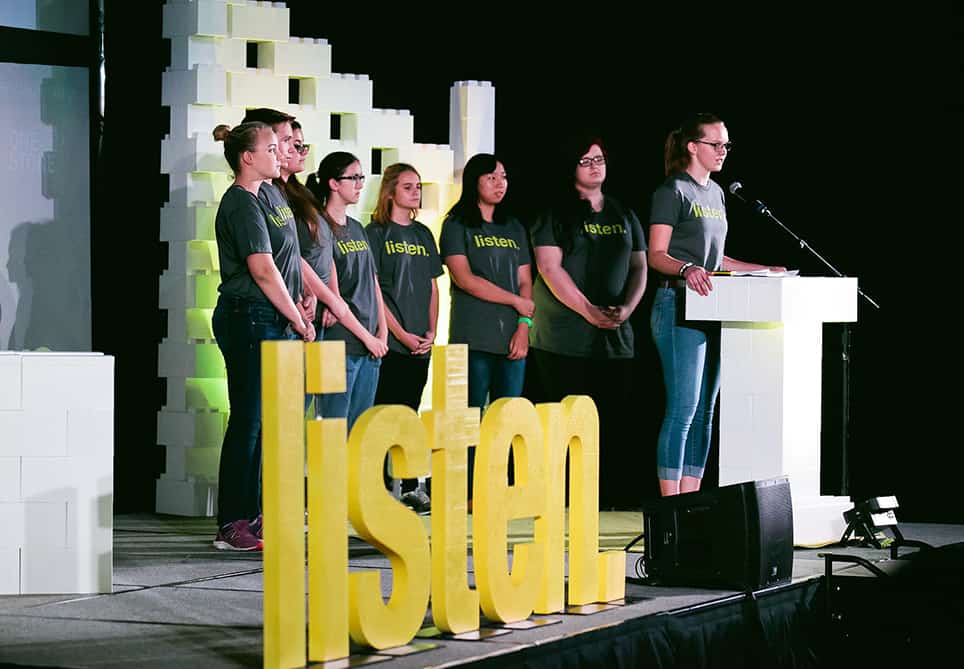
By: Sara Matlock. The 24 Hour Think Challenge, organized by a student led non-profit in Idaho called One Stone, brought together 150 high school juniors from across southwest Idaho to tackle issues facing education in the 21st Century.

EdTech
3 Steps for Choosing Learning Games for Children
By: Kristen DiCerbo. The actual process of selecting educational games can itself be a learning process… for kids and adults. Here are three steps to help in making decisions when it comes to learning games.
EdTech
5 Ways Learner Profiles Can Promote Competency-Based Education
Competency-based environments encourage ownership over learning and move students at their own pace and according to their own needs. Learner profiles can play an important role in facilitating competency-based learning. Here are five ways learner profiles promote competency-based learning

Leadership
Smart Parents use Games & Sims to Provoke Powerful Learning
Kae Novak runs the ISTE Games and Simulations. Tom recently joined her and a great panel for a Google Hangout. Read the quick recap of the conversation and the video in it's entirety.

EdTech
20 Ways Education Will Improve by 2020
It’s getting easier to learn anything anywhere. It’s getting easier to create learning environments that work better for teachers and students. Here are 20 ways that learning (K-20) will change over the next five (or 10) years.

EdTech
Learner Profiles: The New Glue to Unbundled K-20
Whether a traditional school environment augmented by an after school program and online resources, or a full Education Savings Account program, learning is now an anywhere anytime multi-resource adventure. It should be facilitated by a learner profile.
Leadership
Professional Development: Technology’s Key to Success
By: Lucy Kosturko. Tomorrow’s classroom has arrived, and it’s an exciting place. But, the revolutionary teaching required to meet that goal demands adequate time and training. We must recognize that adequate PD is a necessary condition for the success of innovative educational technologies.
Personalized Learning
4 Strategies to Create Tomorrow’s Classroom
With SAS Curriculum Pathways, educators can create compelling problem-based learning scenarios and strategically target instruction using formative assessment data to provide additional insight into the strengths and weaknesses of individual students.

Personalized Learning
4 Essential Competency-Based Education Commitments for HigherEd Leaders
If higher education institutions can remain focused on these core commitments, then competency-based education can make a substantive contribution to improving the quality of education, access for those not well served by traditional models, and building a closer relationship with employers and improved employability for graduates.