

Archive
component:how.instruction-and-facilitation
Five Ways Participants Get Value From Professional Learning MOOCs
By: Blythe Tyron. Here are five ways educators gain value from professional development through learning communities or networks such as MOOC-Eds.

Five Things for Big Districts to Think About
After speaking with district leaders, here are five thoughts on how big districts can move forward toward personalized, competency-based education.
5 Ways to Encourage Inquiry-Based Learning
By: Kristine Scharaldi. Here are five strategies for teachers that encourage inquiry-based learning and provide ways for all students to be actively involved in the classroom.
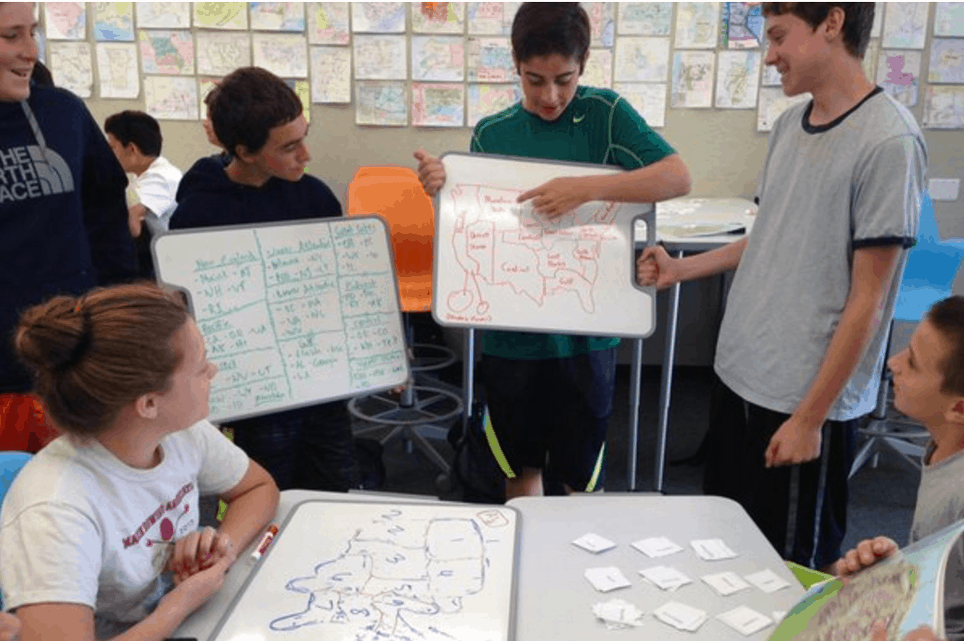
5 Strategies for Fostering Independence in a PBL Classroom
By: James Fester. In order to be successful in the 21st century world, students must learn to manage themselves and work effectively with groups of peers. A middle school teacher shares 5 strategies for creating student independence in a project-based learning classroom.
Getting Smart Podcast | Why Guidance Matters for College and Career Readiness
Advisory and guidance are essential for students navigating career-focused decisions, especially for GenDIY students who are paving their own unique path. The role in supporting these each of these students in figuring out their values and aspirations is crucial.
Getting Smart Podcast | Why Guidance Matters for College and Career Readiness
Every student deserves to have support in figuring out who they are, where they are headed and how they will get there. Especially for GenDIY students who are paving their own unique path.

Two Foundations for Sustaining Equitable Education Strategies
By: Mark Otter. Everyone deserves access to a high-quality education, but ensuring inclusive, equitable access for all students requires a strategic approach.

7 Traits of Learner-Centered Teachers
Working with teacher and leaders in Harmony Public Schools, we identified 7 traits of learner-centered teachers. Learner-centered teaching requires acting as a guide, providing on-demand support, leveraging technology for personalized learning, committing to professional growth, embodying core values, encouraging student autonomy, and creating authentic learning experiences.
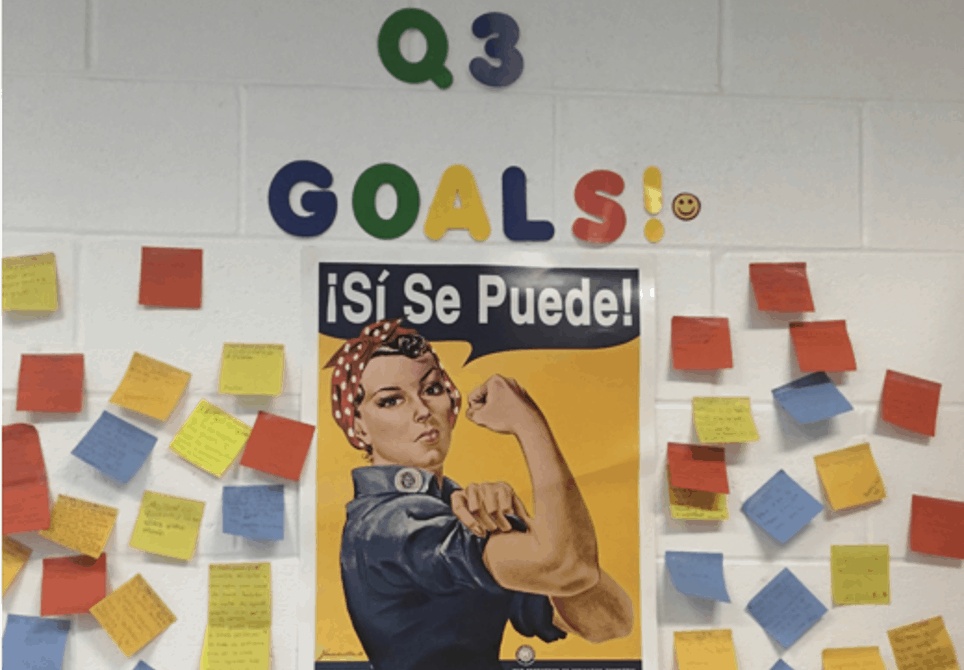
Supporting English Language Learners with Formative Assessments
By: Sarah Ottow. By implementing formative assessments for ELLs, educators can develop a “language lens” that uncovers and showcases the growth of this culturally and linguistically diverse population.

Teaching the Teacher: Lesson Planning and Powerful PD in One
By: Suzanne Simons. Literacy Design Collaborative offers teachers across the country a system of tools that not only helps them provide more critical moments of instruction for their students’ learning, but for their own professional learning as well.