

Archive
component:how.instruction-and-facilitation
Promising Practices in Deeper Learning and Equity
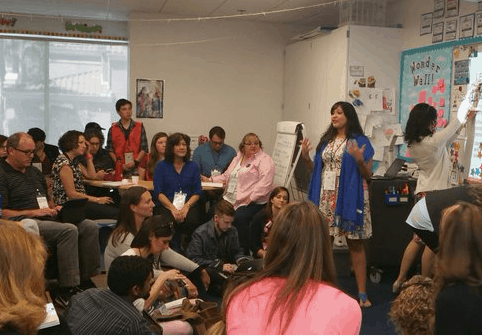
There are initiatives in the United States to reduce achievement gaps and increase access to high quality education for all students. At this year’s Deeper Learning conference, conversations --and the real work--are about equity.
Generic vs Coherent Teacher Prep
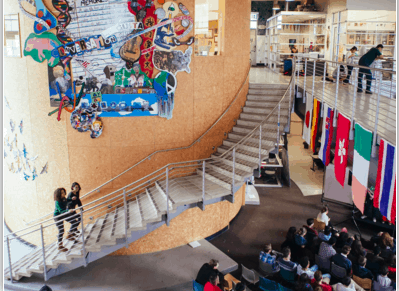
We’ve inherited sedimentary layers of local, state and federal EdPolicy--not system designed to prepare young people for the idea economy and not an easy system in which to teach. In contrast we know that good schools are coherent--everything is mission-aligned to benefit teachers and students. The benefits of purpose-built coherent teacher preparation hold the potential to extend quality learning for all teachers and students.

Who is THE Expert: Parents or Teachers? Both?
By: Arina Bokas. Many educators believe parents should trust them as trained experts who know what's best for their children. Many parents believe educators should trust them as the experts when it comes to their children. So who is the actual expert here?

Two Strategies for Empowering Teacher Leaders
In a coherent system, everything works together for students and teachers: content, learning experiences, assessment, professional development, schedule, structure, staffing and supports. Here are two ways to create this coherence and empower teacher leaders.
Globally Competent Students Require Globally Competent Teachers
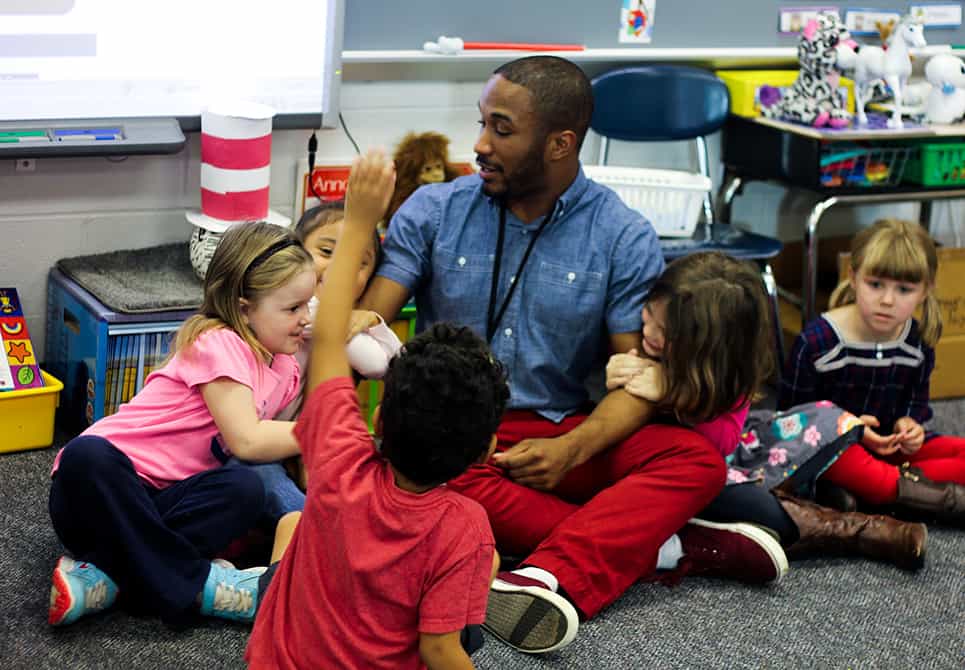
To efficiently and equitably develop globally competent students you must first develop globally competent educators. New Century International Middle School is an example of a school-wide global education approach that works.

How to Prepare Globally Competent Students
By: Anamaria Knight. If you are interested in a few more instructional strategies that can be used across disciplines to support students in developing key global competence skills, here are some examples.

Defining and Differentiating Personalized Learning, Blended Learning and Competency Education
iNACOL has taken steps to define key terms in the field to generate shared meaning and challenge misconceptions and misunderstandings. 'Mean What You Say: Defining and Integrating Personalized, Blended and Competency Education' describes terms and their key nuances in greater detail.

Moving Toward Learner-Centered Models in HigherEd
By: Eric Frank. Moving from instructor-centered teaching to student-centered learning can be supported by next-generation courseware or technology-enabled learning environments that dynamically adapt to the needs of each individual learner.

3 Ways to Teach Everything Through Inquiry
If inquiry-based teaching is superior to traditional teaching, could or should it replace the way we teach everything to everyone? In inquiry teaching, the learner constructs meaning from new information and experiences.

Four Steps to Transforming a School
Four higher level practices that have the potential of transforming a school including data-informed instruction, student-centered pedagogy and approaches, continual improvement and innovation process, and caring adults.