


Archive
component:for-whom.reports
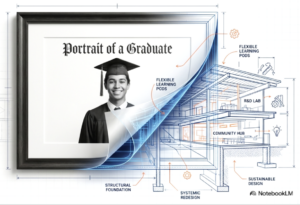
So, Your District Wants Personalized Learning… Where Do You Start?
Explore how to do personalized learning effectively. Transform your educational system into one that truly values student outcomes.
The Architecture of Ability: How Evidence-Centered Design and UDL Can Shape AI-Era Assessment
ECD, UDL, and The Cow Path Educational measurement is at a crossroads. Multimodal artificial intelligence (AI) finally opens a pathway to move beyond the industrial-era, one-size-fits-all summative test in favor of unobtrusive, agentic, and adaptive assessment. But directing raw computing power at children without guardrails is ill-advised. Using…

Making Learning Visible for Students and Adults Through Reflection
Norwalk Public Schools integrates reflection to deepen Portrait of a Graduate implementation, fostering ownership and coherence across the district.
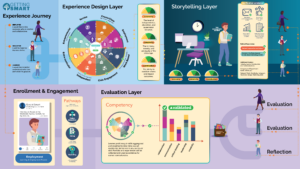
Experience Matters: A Common Language for Talent, Trust, and Economic Mobility
This report from Getting Smart and Education Design Lab proposes a Common Language of Experience—a robust, interoperable framework for evaluating, designing, and articulating experience value across any context.

Blueprints Are Not Enough: Building Balanced Assessment Systems for Science of Reading 2.0
Ms. Rivera has done everything right: she attended the state-mandated Science of Reading (SoR) training and internalized the new, evidence-based curriculum. She is teaching phonics and phonemic awareness. Yet, as October settles in, she feels a familiar anxiety. She is teaching the “what” of the new laws, but…
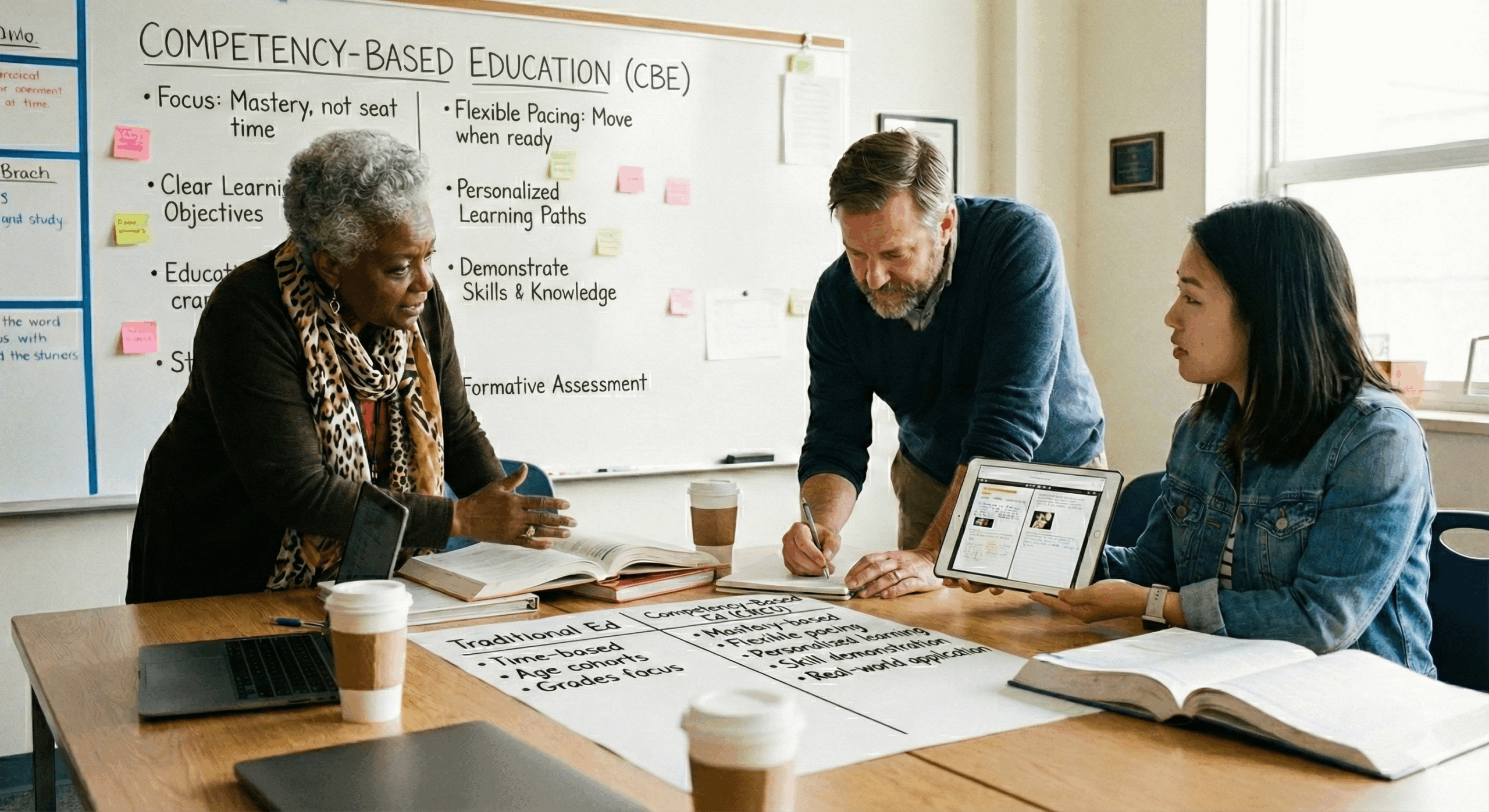
What if Proficiency is not Proficient? The Case for Calibration
Calibration ensures consistent, equitable assessments in CBE. Learn why shared judgment is essential for personalized, competency-based systems.

Taking Stock: Reflections on Upgrading the Quality and Explainability of Educational Measurement in the AI Era
How might we upgrade the quality and explainability of educational measurement in the AI Era?
Preparing Youth for Their Future: What Our Exploration of Durable Skills Across Twelve Innovative High Schools Tells Us About What Is Possible
Innovative schools develop durable skills through authentic work, competency-based learning, and reflection, preparing students for dynamic futures.
Education’s Netflix Moment: A “Yes, And” Approach for Assessment System Innovation
Understanding the new era of assessment requires balancing traditional methods with innovative, adaptive strategies for growth.

Advancing Artificial Intelligence, Measurement and Assessment System Innovation: A National Mission to Secure the Future of Learning and Work
Explore how The Study Group is transforming education through AI-powered measurement and assessment initiatives for better learning.