


teachers
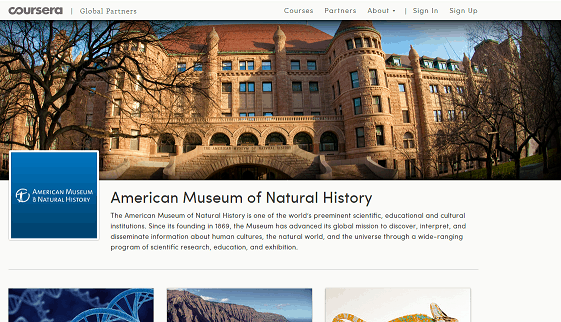
Museums & MOOCs
Earlier this month, I wrote about museums and alternate models of accessibility, from mobile brain science museums to portable pop-up hands-on STEM ‘museums’. These models, although mobile, still exist in a physical space – and there’s nothing wrong with that. The Think Tank is filled with brain science technology that just isn’t available to the average person, and the whole point of the Foundation for Early Learning’s Uni project is to bring hands-on science-related activities into public spaces.
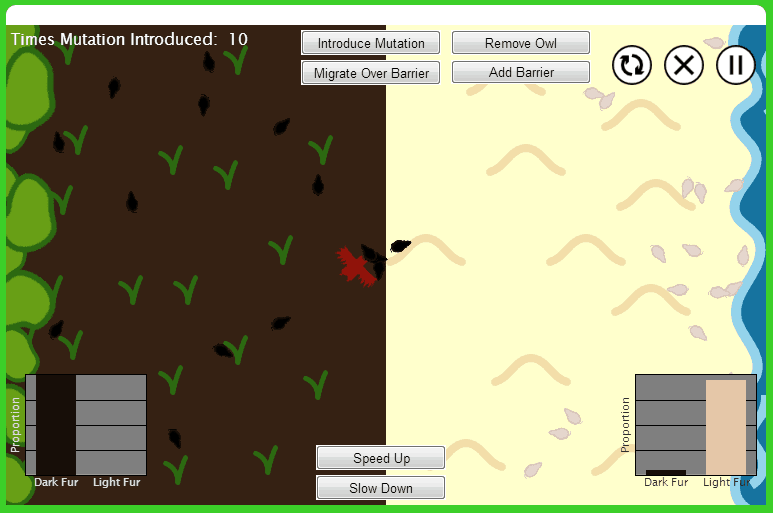
Using Stories to Teach Evolution
Evolution is often a difficult subject for students to grasp, even putting aside politics and religion. It’s also a very important concept to understand biology.

Montessori: The Secret Is Out
In the dual worlds where I live - part Montessori mom and part education innovation advocate - it’s been really exhilarating to see these worlds begin to collide.

3 Tools to Tackle Common Core Math Standards
Summer is a time for teachers to take a break from the rigorous demands of day to day teaching, relax, and enjoy a change of pace.

How Do You Draw a Scientist?
What comes to mind when you think of a scientist? Try this: Make a list or draw a quick sketch of a scientist.

What is the Problem With Professional Development?
Courtney Hanes explains the idea of shifting from professional development to professional growth.

Campus Tech: Improving Collaboration with Interactive Whiteboards at King’s College
King’s College in Pennsylvania has had huge success with Steelcase Education’s Eno Markerboard — these devices allow users to save, store, and quickly display the work they’ve done with others.
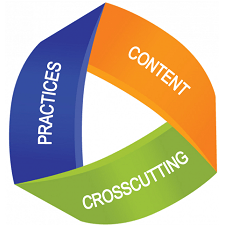
Next Gen Science Standards 101
The Institute for Science and Math Education at the University of Washington recently offered a crash course on the Next Generation Science Standards. Director of the Institute Philip Bell and a panel of STEM education experts provided a helpful orientation well worth 75 minutes of your time - the presentation should be available on the Institute's website soon. In the mean time, don't forget to check out the resources at the end of this post.
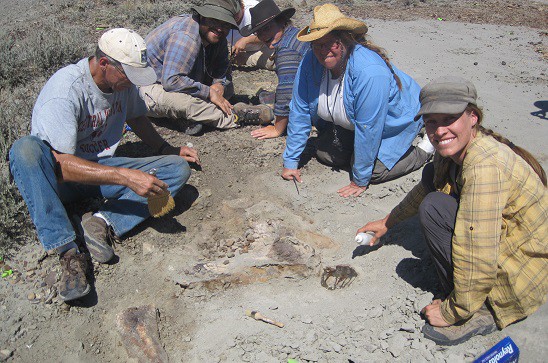
Science Outreach with Teachers, Dinosaurs
The fossils and data collected all help UW scientists investigate the extinction that ended the age of dinosaurs 66 million years ago. DIG teachers aren't just adding to paleontology research - they're a part of it.

Teacher Appreciation Week: Getting Smart Team Favorites
We couldn’t think of a better way to wrap Teacher Appreciation Week then highlighting the teachers that have impacted the lives of our team. Share your favorite teacher stories in the comments below!