


learning science
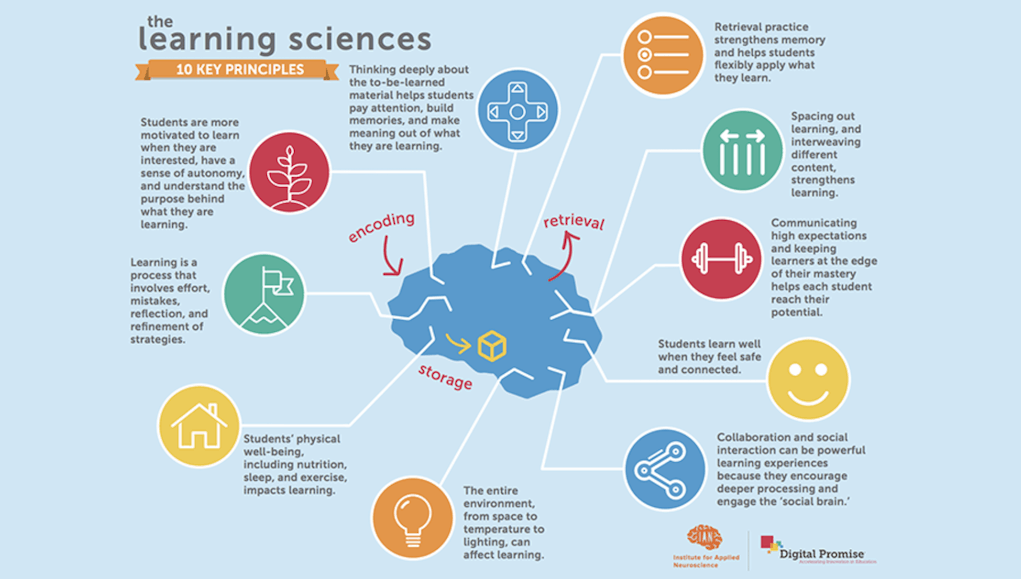
How Learning Works: 10 Research-Based Insights
By: Babe Liberman. Digital Promise and the Institute for Applied Neuroscience teamed up to synthesize findings from the growing field of learning sciences research into 10 key insights about how people learn.
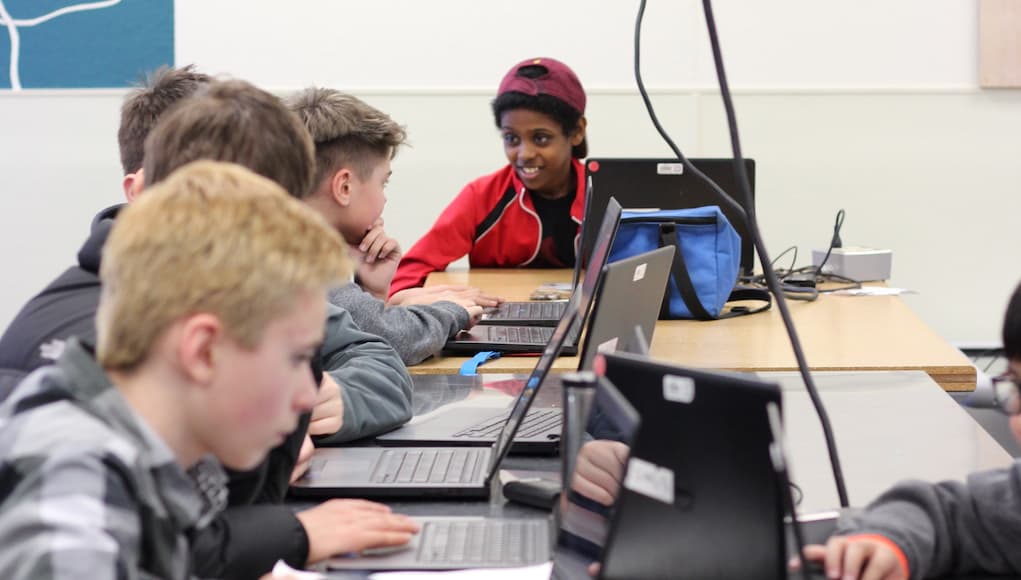
A Refresher Course on the NGSS
The Next Generation Science Standards (NGSS) are a structured and cohesive three-dimensional approach to science education in the US. This post explores what they are, and how they work.

Smart Review | Inventing Ourselves: The Secret Life of the Teenage Brain
In Inventing Ourselves: The Secret Life of the Teenage Brain, Sarah-Jayne Blakemore uses neuroscience to push back on long-held negative perceptions about teenagers to reframe adolescence as a unique and actually productive developmental period. Learn more here.

Education Systems Should Be Based on How Students Develop
A flowering of research from neuroscience, psychology, early childhood, and a variety of other disciplines on the science of learning and development has begun to shed light on what is necessary for students to reach their full potential. How can our systems catch up to these findings?

Learning Engineering: Merging Science and Data to Design Powerful Learning Experiences
By: Shelly Blake-Plock. A Learning Engineer is someone who draws from evidence-based information about human development — including learning — and seeks to apply these results at scale to create affordable, reliable, data-rich learning environments. Learn more here.
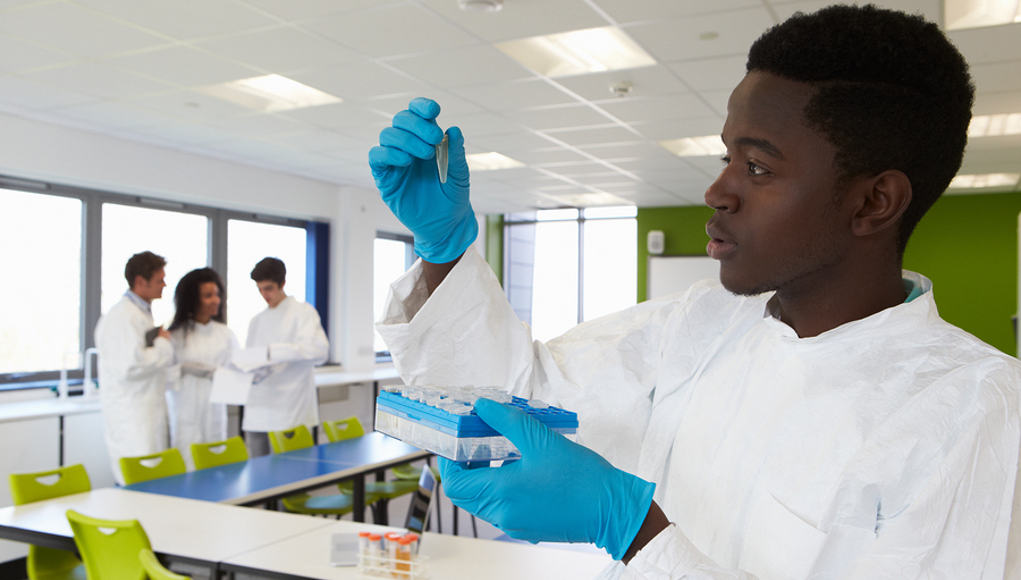
What The Learning Sciences Tell us about Competency Education
By Bror Saxberg - With automated tools and instructional support, there’s never been a better time to be a “learning engineer.” Here's what data and science have to say about Competency-Based Education.
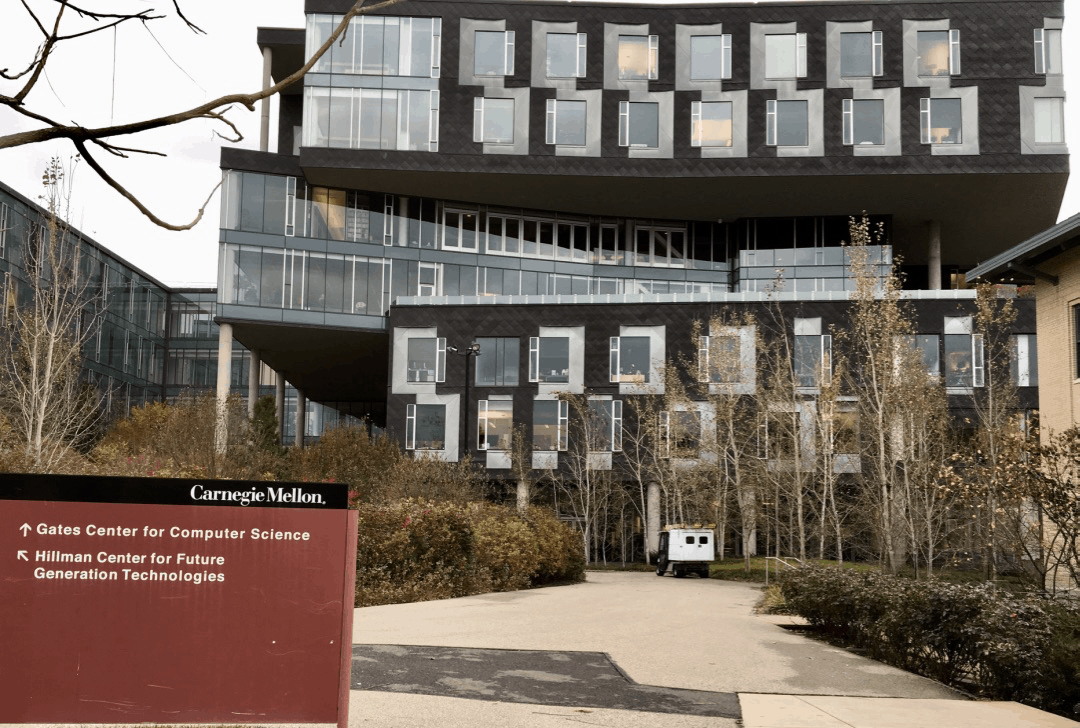
CMU: Pittsburgh’s Learning Engine
The third post in our 6-part #RemakeLearning series looks at CMU's partnerships with Pittsburgh Districts to advance education innovation and shape a new K-12 approach to computer science.