

EdTech
Personalized Learning
Video: Blended Learning Models
Part two of the five part DLN Smart Series video series features blended models from around the country.
EdTech
You May Be a 21st Century Educator If…
Words like “flipped,” “blended,” “asynchronous,” “differentiated,” and “MOOC” are not words to describe how you feel after inhaling a chili hotdog just before riding a roller coaster called the “Vomit Van.” Instead, these words are part of your ever-increasing #edtech vocabulary.

Personalized Learning
Disrupting Pedagogy – Part 2
And only if, innovators develop digital content that supports authentic pedagogy – and that provides sufficient context for students to understand, not just memorize – and then make that available for adoption and co-evolution within on-line schools and other smaller markets.

Personalized Learning
Interview | Code Together Now
“I decided to take on leadership of Code Together because of the many and growing opportunities for collaborative technologies on the web,” she says. “I’m excited to see where we will take Code Together as Treaty (an embeddable document editor) and Squad continue to grow.”

Personalized Learning
Infographic: Blended Learning 2.0 From The Ground Up
After publishing the updated BLIG 2.0 its time to update the From the Ground Up inforgraphic as well. Echoing comments and discussions heard at #iNACOL13, its more important than ever to truly start at the "roots" and set clear goals, establish funding and gain supporters.

EdTech
Engagement & Employability Driving Next Gen Platforms
Owing to underinvestment and weak demand articulation, learning management systems (LMS) are at least five years behind the growing demand for engaging, learner-centered, competency-based experiences that result in employment (and other favorable outcomes).
Innov8
EdTech 10: Awards, Blends, & Connections at #iNACOL13
The Getting Smart team enjoyed every minute of the iNACOL Blended and Online Learning Symposium this week, the biggest and best blended learning conference on the calendar. Read more for other big stories this week!

Personalized Learning
Disrupting Pedagogy – Part 1
The Clayton Christensen Institute recently published a paper that goes much further, describing the unique characteristics of the education system as a market and introducing us to the theory of hybrid innovation. Michael Horn explains that a key characteristic in the education market that changes how disruptive innovation will work for education is a lack of non-consumption – nearly all kids go to school and the market for schooling outside the system is comparatively small.

EdTech
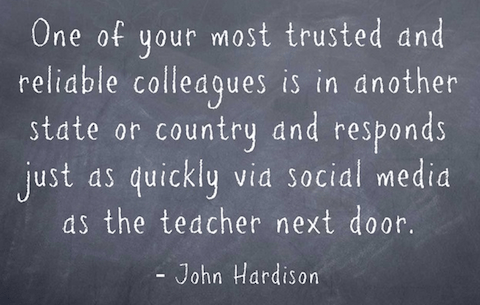
#CE13: 20 Teacher Treats
Hope you had a great Connected Educator Month! We collected 20 treats about teaching and learning together. Take some time to read all 20 and let October be the month that inspires you to strengthen and grow your connected professional learning community all year long.
EdTech
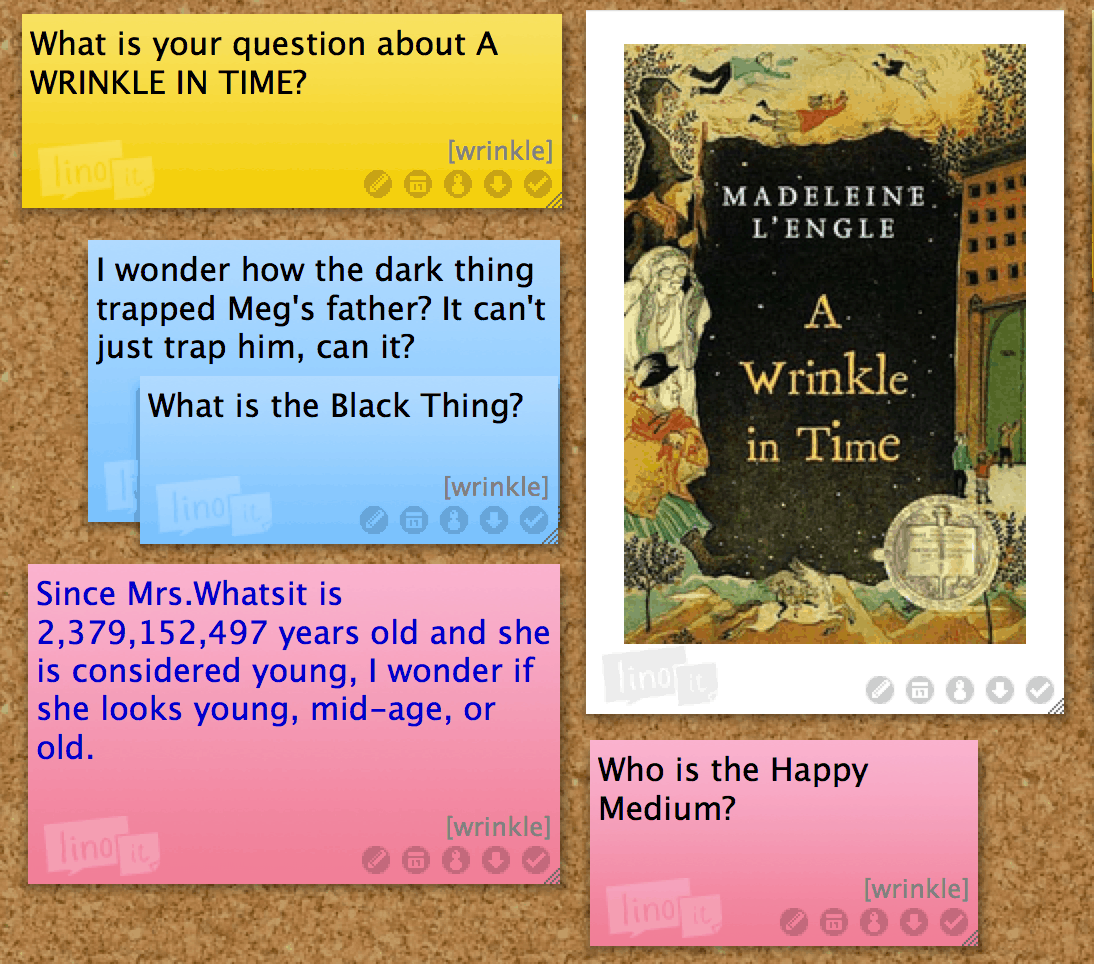
In Search of Sticky Notes for Digital Readers
This sticking point remains: What do we do about the students who are eager to use their Kindles, Nooks, and iPads for their independent reading? What are they supposed to do with their pads of florescent Post-its, attach them to the screen?