

EdTech

Leadership
Getting Kids to the Colleges They Deserve
Ustrive, now in beta, "is like eHarmony for admissions instead of dating," said Carter, "It tells students where they are likely to get in and graduate."
EdTech
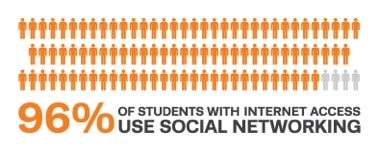
Ways to Implement Safe Social Media for Schools
To say the least, social media is occupying more and more of our online time and in many ways is becoming a preferred method of communication. This begs the question: how do we educate today’s students on the best practices of using social networks?
Leadership
New Paper: Deeper Learning For Every Student Every Day
Last month we launched a preview of our new white paper, “Deeper Learning For Every Student Every Day,” and today we’ve launched the full paper including all 20 of our Deeper Learning school profiles.
EdTech
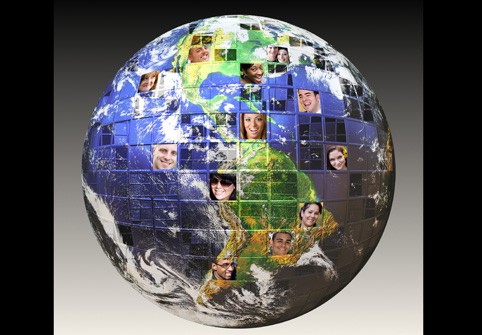
Global Digital Statistics 2014- The Numbers Are Up
The report was necessarily not published through the lens of how it will end up affecting today's students, but we would love to hear your thoughts on these findings and what they mean for the future of education.

Ed Policy
Crowdsourcing Districts For the Core
With a new pilot from UClass, districts are offered the opportunity to build an online PLN, exclusive to their district, offering a one-stop hub for curriculum solutions making it easy for teachers to find, share and organize district-wide resources.

Personalized Learning
Infographic: To MOOC or Not To MOOC
Learning from afar is not a new concept. According to the stats below, correspondence courses started over 100 years ago. The concept has evolved to be able to open college access to huge numbers of students who didn't think it was previously possible. Will 2014 be the year that students learn how to master the MOOC? That is yet to be seen.

Personalized Learning
The Campus of the Future: Hybrid and Lean
The campus of the future will clearly still play an essential role in academic life, though it will likely transform into a more hands-on and social place than today. Which of these options do you predict for the future of education?
Personalized Learning
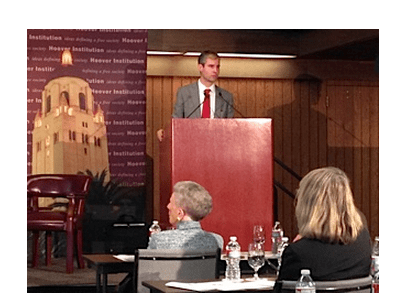
Hoover Conference Explores Blended Learning
The panel concluded that blended learning has to be a bottom up, organic adoption by teachers--a reflection of the schools and districts they represented. The panel missed the “extended reach” strategies outlined by Opportunity Culture and in the SmartSeries paper, Improving Conditions and Careers.

EdTech
Technology as Learning Environment
In New Milford High School, we will be experimenting with, and reflecting on, the educational consequences of extending our capacity to interact into a 3-D environment in the Cloud, through Protosphere
Personalized Learning
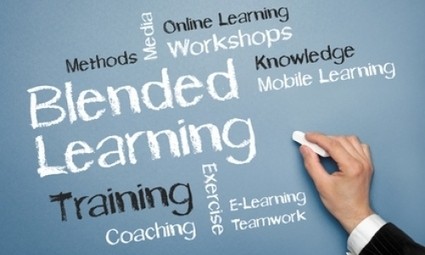
Blending Alone: How to Blend in a Non-Blended Environment
I can tell you that the following pieces of advice aren’t the result of strategies that worked out of the gate, but rather iterations of ideas and mistakes driven by the idea that blended learning is what is best for students. So the question is, what needs to change to make this transition as smooth as possible for all involved?