

Project-Based Learning
(PBL) is an instructional approach where traditional, direct classroom instruction and tests are replaced by authentic, often interdisciplinary projects, usually designed by the student with guidance from instructors/coaches, addressing real-world problems as the assessment instead of a test. It also is closely related to deeper learning, challenge-based learning, interest-based learning and more.
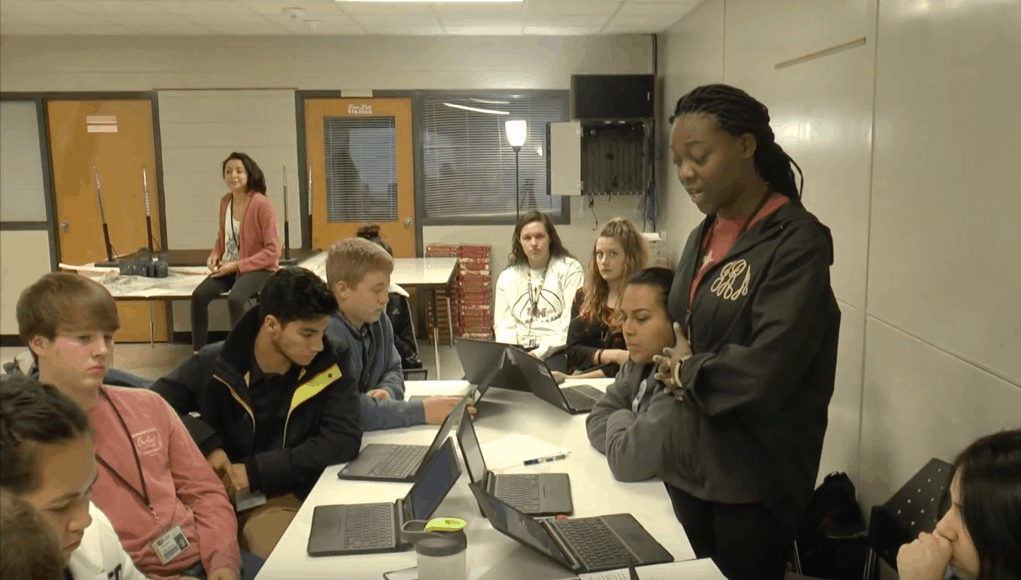
The Trifecta: A Triple-Threat Interactive Learning Structure
By: John Hardison. “The Trifecta” guides student teams through three rigorous rounds that demand participation, upper-level thinking skills and creativity. See videos of the program in action here.

5 Emerging Trends in Project-Based Learning
By: Rosie Clayton. How will innovative strategies such as internship integration and games-based learning impact the future of project-based learning? Here are five examples of schools pushing boundaries of PBL.
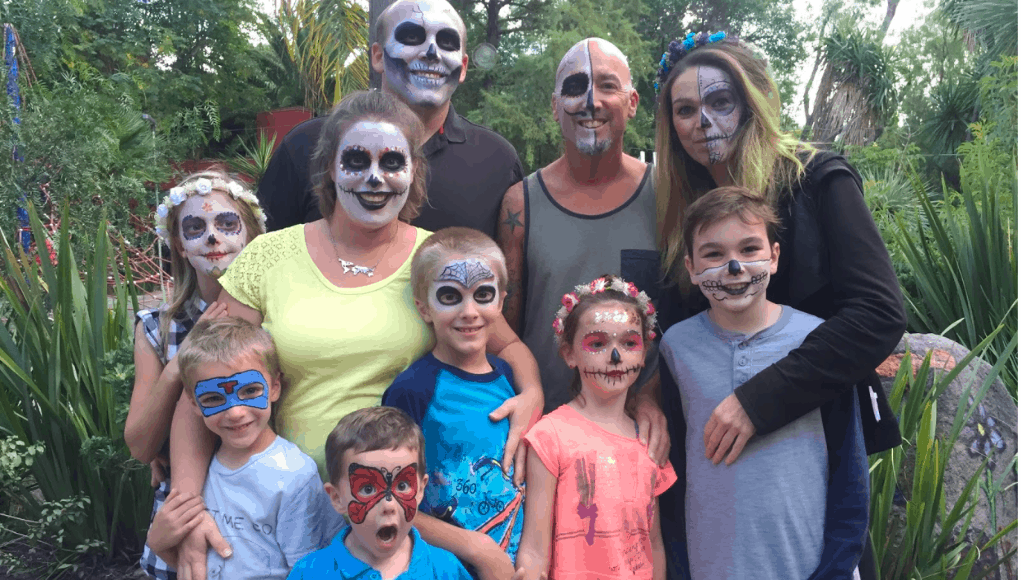
Connecting Families Traveling the World’s Classroom
By: CJ Singer. My family has been traveling full-time for three years and developed the online community Worldschooler Connect to link all traveling families throughout the world's classroom.

Three Connectivity Trends to Watch in 2017
By: John Harrington. There are big changes on the horizon, and 2017 could shape up to be an influential year for connectivity and learning across our country. Here are three trends to watch for next year.
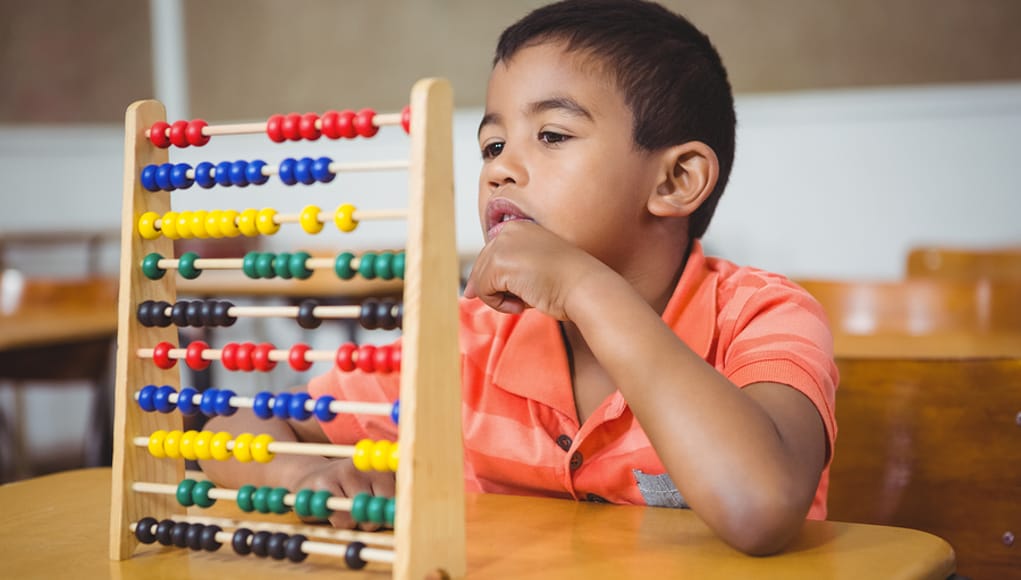
The Scoop on Deeper Learning and Mathematics: English Language Learner Edition
By. Kelsey Skaggs. Educators continue to search for innovative ways to provide empowering learning environments for English language learners, especially when it comes to math. Here are some visual learning techniques that can help with the challenge.
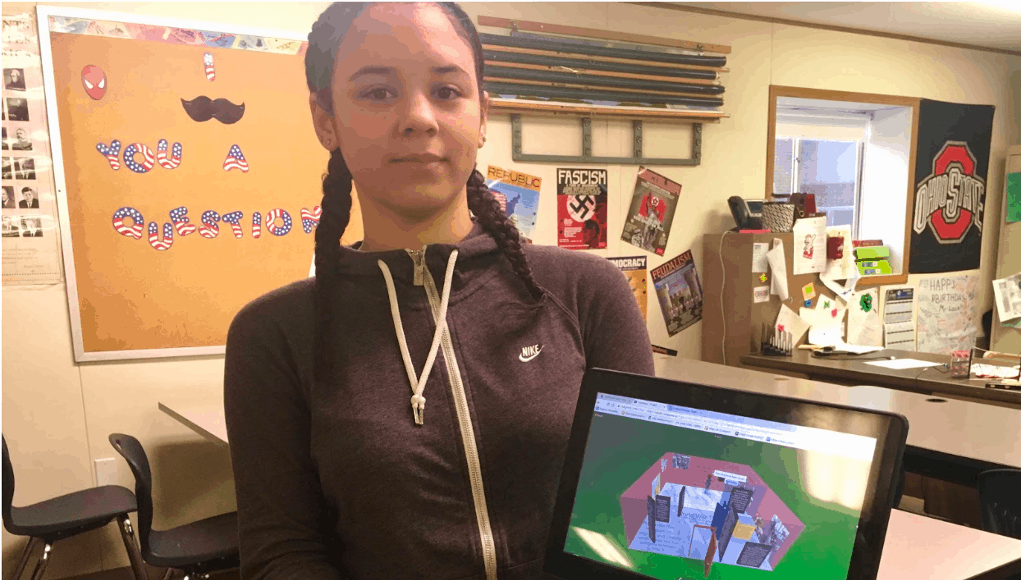
Personalized PBL and Virtual Reality Bring History To Life
I recently had the opportunity to visit Winton Woods City School District, a New Tech Network school outside of Cincinnati, and witnessed their personalized, project-based learning model firsthand through a student virtual reality project.

Can Relevant Learning Boost Gross National Happiness?
By: Leslie Cook. In striving to make their educational system and curriculum their own, Bhutan has introduced relevant learning through place-based education with an emphasis on boosting community vitality and well-being.
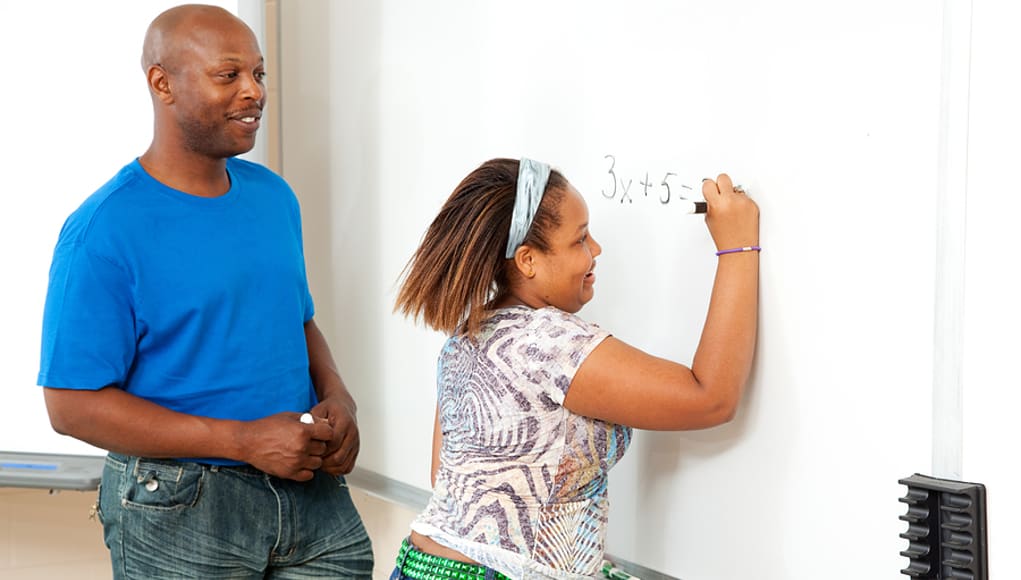
Let’s Talk Math: Two New Resources to Help Promote Mathematical Discourse
The math classroom is often a challenging place for learners, but mathematical discourse can help students reflect on and develop their understanding of math concepts, building their confidence. Here are two new resources to get them started.
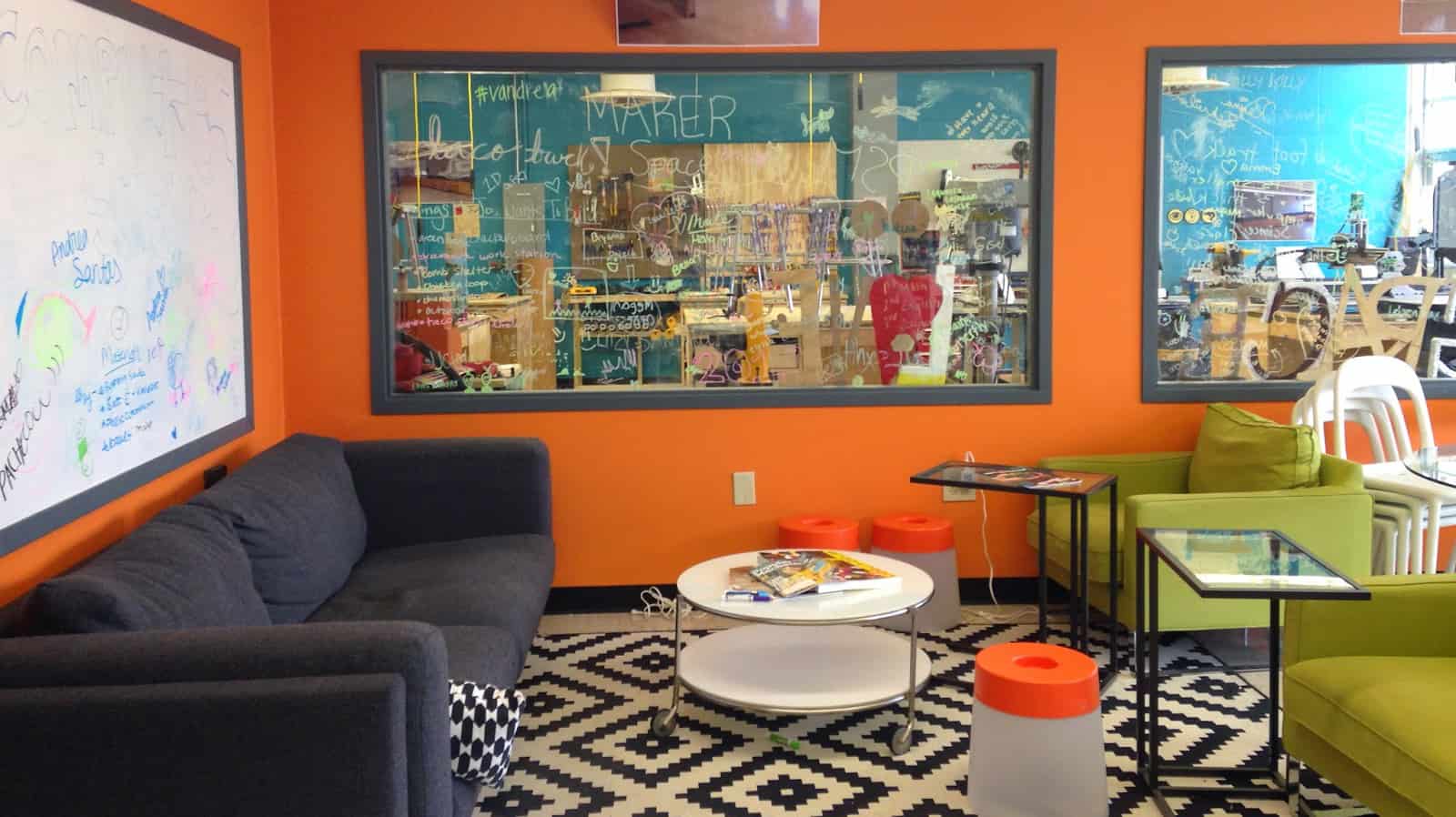
Six Must-Have School Spaces for Project-Based Learning
By: Danish Kurani. These six spaces facilitate learning that goes beyond the realm of the traditional classroom and can be created in almost any type of building. Whether you’re planning a new building or updating the one you’re in, these are possible for you.

6 Strategies for Teaching Public Policy
Teaching students to understand public policy can be a challenge, but few topics have as great a power to affect the long-term health of a society. Here are six strategies to help educators teach policy and civic engagement.