


Future of Learning
Future of Learning
Preparing All Learners for an Uncertain Future of Work
By: Katherine Prince. It is unknown what the emerging future of work will look like, making it even more critical that we help young people and education and employment stakeholders plan for multiple possible futures. Take a look at KnowledgeWorks' new foundation for readiness.
Ed Policy
Now That Schools Are Promoting Broader Definitions of Success, How Do We Measure Progress?
As more schools adopt broader learning goals, there are a few questions vexing school leaders, including: How can we measure growth in creative thinking? How can we measure whether our graduating high school seniors have the habits necessary to succeed at college and throughout adult life?
Future of Learning
Creating a More Inclusive School Community Starts With Intentional Support for Teachers
By: Nichelle Bowes, Ed.D. Once we build the pathways into teaching, we have to think about how to best support our aspiring and veteran educators to successfully support each of their students. Nichelle Bowes offers a few lessons she has learned through her career.
Early Learning
Reggio Emilia: The Future of Learning Has Roots in the Past
By: Beth Holland. Numerous current initiatives focus on creating personalized learner experiences through modern trends such as high-quality project-based learning (HQPBL) and design thinking. However, this pursuit to deliver learning that fuels each whole child has its roots in the Reggio Emilia Approach that Loris Malaguzzi first envisioned in the 1940s.

Future of Learning
Fake News and Digital Literacy: Why Today’s Students Need Video Skills
The term “fake news” has become a permanent part of our lexicon. As it becomes increasingly clear that Facebook and Twitter feeds can be easily manipulated, we’re facing new challenges in educating our citizens on how to tell what’s actually true. After Jordan Peele’s video edit this spring of Obama saying things he never actually said, it’s clear that it’s more important than ever that people better understand the use of video and what it’s capable of.

Future of Learning
Looking Back: Versatile Tools That Made a Difference
As part of her yearly practice, and ongoing reflection, Rachelle Dene Poth likes to look back over the year and the changes that she have made in her class, the tools used and what helped her to provide a more diverse and engaging learning experience for my students.
Future of Learning
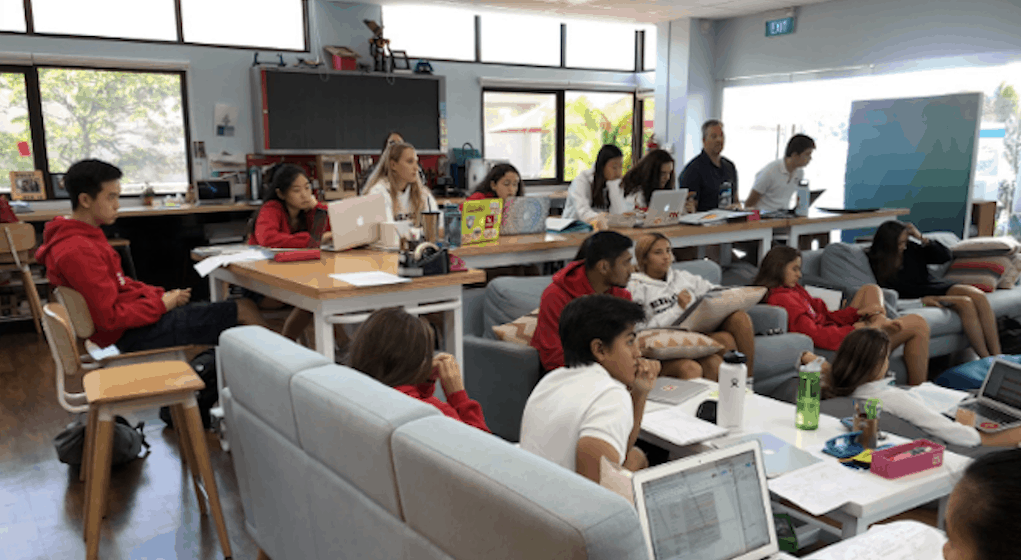
Top Education Trend of 2018: Active Learning Spaces
A look at active learning spaces from around the globe and why they help power high-quality learning experiences, plus a look at what Tom thinks is coming in 2019.

Competency-Based Education
Top 20 Posts from 2018
2018 is coming to a close. We're reviewing everything we've learned and experienced this last year in preparation for 2019.
Future of Learning
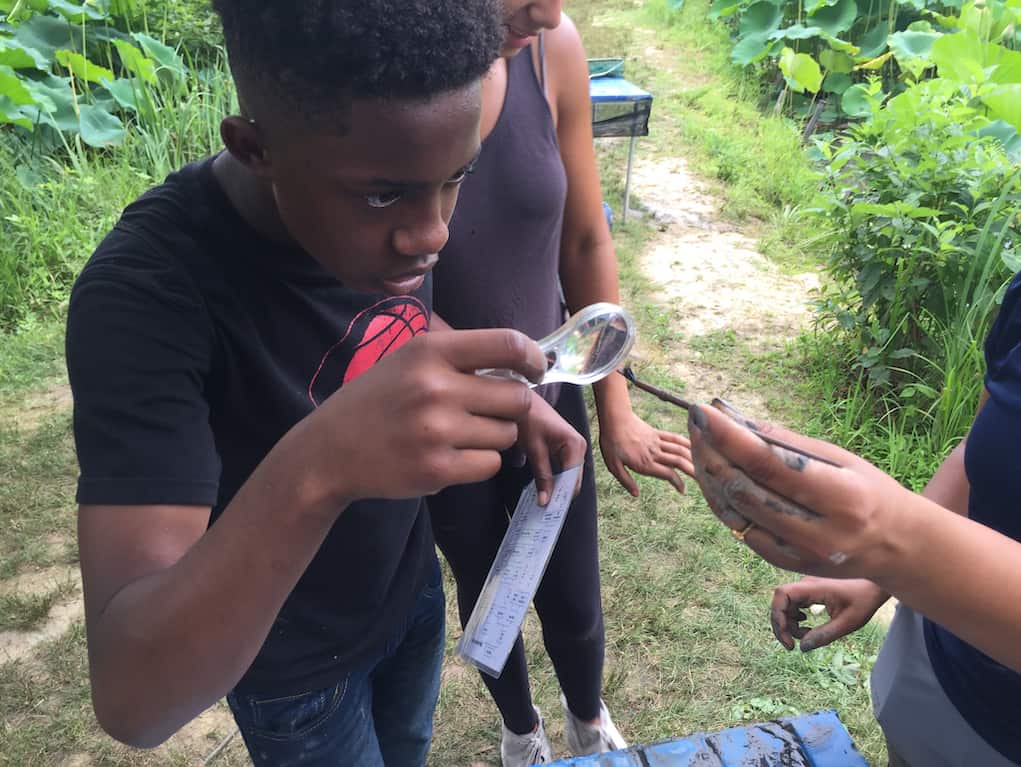
Why Experiential Education?
To contribute now and in the future, young people deserve experiential learning--community connected challenges that build agency and collaboration, that cross disciplines and result in public products that make real contributions. Here's why experiential learning matters and five primary benefits.

Future of Learning
Preparing Today’s Learners for Tomorrow’s Challenges: 6 Key Factors of Personalized Learning
By: Janet Pittock. We cannot predict the future for each of our students, we can predict that persistent, self-directed, life-long learners will be best positioned to prosper. Personalizing learning is essential to developing these skills in our learners.