


EdTech
Education Technology is a multi-billion dollar sector of companies innovating in both software and hardware for teaching, learning, and running schools, districts, and state and federal education departments. We document some of the most essential technical innovations and companies that support learning, teaching and more.

Todo Math: Great Math App for Diverse Learners
All in all, Todo Math is a complete, well-designed app which will serve children through all stages of early elementary math education. Perfect for supplemental math practice at school or at home. And it is well worth the purchase price.
EdTech 10: “A” is for Access
The letter of the week is “A” for Access, and this week we noticed meaningful movement in expanding it! Check out this week’s top ten edtech news stories that reveal student access to high-quality learning opportunities is on the rise.

Course Access Can Expand Learning Opportunities to Underserved Students
Newly released, “Leading in an Era of Change: Making the Most of Course Access Programs,” highlights policies and signals an important evolution from school choice to course choice.
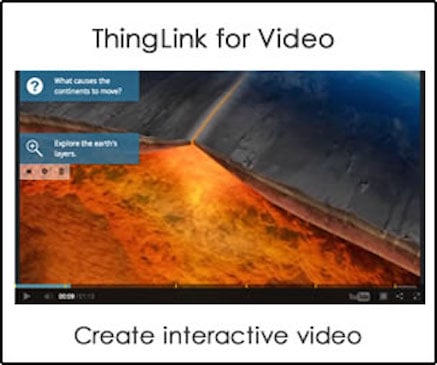
3 Ways to Use New ThingLink for Video in the Classroom
With ThingLink for Video, teachers can enrich existing educational videos with content to actively engage students in the learning, provide resources for enrichment, and collect feedback through the use of available web tools. The possibilities are tremendous. Here are a few ways to use ThingLink for Video.

Making the LMS Decision
Choosing an LMS can be a difficult for schools and districts, however it is a key decision in the planning of any blended learning environment. We recently talked with Megan Leich, Campus Coordinator for the BlendEd Consortium on how BlendEd approached such an important decision.
EdTech 10: Special #WIFI4SCHOOLS Edition
On the eve of an important vote by the FCC on E-Rate Modernization, we are dedicating this week’s EdTech 10 list to the top stories supporting the proposed plan.
Engaging Students with QR Code Matching
At my ISTE poster session on student Tech Camp, I showed a QR code matching game that I use for hardware and software terminology. Many people liked the idea. Here’s how to do it!

It’s Time: Connecting What Students Need & What Entrepreneurs Create
By: Stacey Childress. Pull mechanism refers to things like challenges, prizes, and advanced market commitments – ways of paying for innovations based on their actual performance. This in contrast to government agencies and philanthropists making upfront investments in design and development of solutions and then “pushing” them to (or some would say on) buyers and users. A key idea is that some sort of coordinated action on the demand side – in this instance from schools, districts, and states – will create compelling reasons for suppliers to behave differently, better, more responsively.
6 Ways to Promote Data-Driven Instruction in K-12 Schools
By: Jason Lange. The push for data-driven instruction has been widespread since the implementation of the No Child Left Behind Act, which was signed into law in 2002. Yet the number of individual classrooms regularly practicing DDI remains startlingly low. It would be easy to blame teachers for the slow adoption rates, citing a supposed “fear of data,” but the true reasons are actually more complex.
Using Blended Tools to Maximize Instructional Time
Based on over twenty years of research, READ 180 was developed to assess, differentiate, and quickly boost literacy skills so that struggling students could achieve success across their coursework. The program is designed to meet the instructional needs of teachers while helping students meet the rigorous expectations of the new standards and experience success on the new assessments.