


Archive
element:where

Personalized Learning
What I’m Seeing: Magical Math Content
Math content is getting more adaptive and engaging Our kids will find it hard to believe that we learned math without adaptive engines and graphic calculators.
EdTech
Q&A: CK-12 Says OER & Tech Can Unlock Cheaper, Better Learning
Neeru Khosla, the Co-founder and Chair behind the growing open educational resources (OER) nonprofit CK-12 Foundation, joins us today to share her motivation, aspirations and goals in bringing higher quality educational materials to more educators and students across the globe – for free. Khosla attended Stanford University’s education and…

Personalized Learning
Generation Z: The Biggest Cheaters Since Homer
Ancient Greek records point to two men who were the last people to recite the Illiad and Odyssey from memory before that upstart, techno-cheat Homer came along and WROTE IT ALL DOWN. Newly translated documents indicate that either Statusquoates or Progressblockus own that somewhat dubious distinction.

EdTech
Digital Learning: The Future of Schooling?
The Nord Family Foundation, the Thomas B. Fordham Institute and KnowledgeWorks invites the education and learning community to join in a timely, nonpartisan discussion about digital learning and where it may lead education in Ohio - and the nation - in the years ahead. The event will take place May 17, 2012 from 1:00pmET to 4:30pmET at the Governors Ballroom in the Sheraton at Capitol Square and on a live webcast at www.edexcellence.net.
EdTech
Big Data Partnership: Promise & Problems
The Department of Education announced a data partnership with SRI called Evidence Framework for Innovation and Excellence in Education. The first paper is Enhancing Teaching and Learning Through Educational Data Mining and Learning Analytics: An Issue Brief. The data partnership should advocate more nimble forms of evidence gathering, recognize the important role of state policy, and take on the issue of comparability.
Personalized Learning
“Self-Learning” is the New “Schooling”
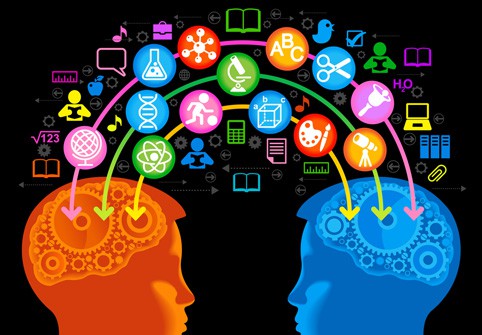
By: Dr. Idit Harel Caperton. The idea of “student-centered learning” coupled with “networked learning” has tossed the idea that all learning should only happen through schooling. No longer do classroom walls or school schedules dictate when high-quality learning occurs. Through certain uses of networked technology programs and tools, the lines between educator and learner have become more blurred—allowing individuals to serve in both roles at different times of the day.
EdTech
Finally, Math Apps Show R.E.S.P.E.C.T.
There are no really good math apps out there. I’ve been convinced of this for some time based on nearly a decade of trying everything from online courses to video-game-like drills to the more recent iPad apps and flash cards. Available offerings tend to be inauthentic, in that they encourage rote procedures over real problem solving.

Personalized Learning
What I’m Seeing: 10 Terrific Tools
Here's powerful #EdTech tools for reading, writing, assessment, language, PD, behavior, music, presentation, and production.

Personalized Learning
What I’m Seeing: Coding Schools
This is the fourth post in a series of ten on categories where I’m seeing strong edtech startup activity. We’ve looked at productive post-sec, informal learning, and credentialing. A specific subset and application of the trends discussed so far is the rush to coding. The rash of coding startups suggests that everyone wants to learn to write computer code.
EdTech
SmartTech: Tab Testing, Apps, Biz Models, & Better Higher Ed
Tablet testing. We think there’s a pretty good chance that both PARCC and SBAC will allow tablets (iPads specifically) for testing. That would be good news for all the districts buying tablets but as Tom discussed in getting ready for online assessment, there are many issues…