


Career & Technical Ed
element:where
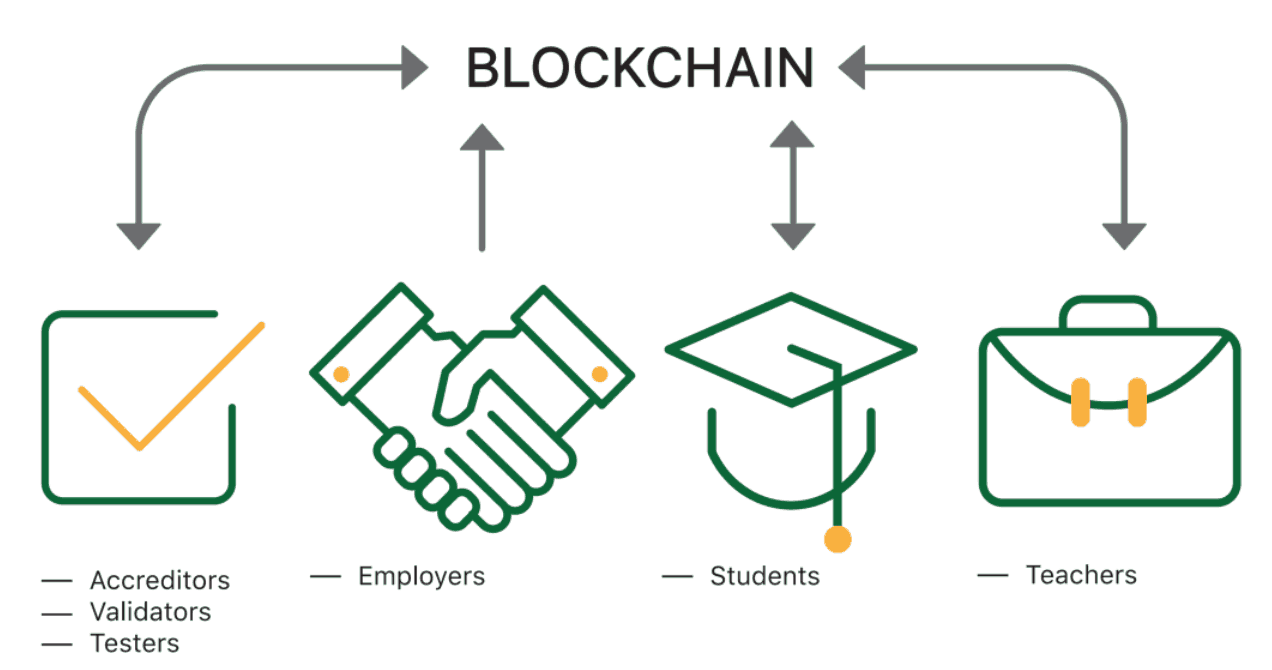
While still in it's infancy, Blockchain has the power to transform education by increasing learner ownership and control over data, reducing institutional data costs, ending paper based certificates and more.

Our current models of early learning, family engagement and testing in some ways work against our efforts to enable an equal level of sustained growth for the students who need our support the most.

CEO and Cofounder of New Classrooms, Joel Rose predicts movement in personalized learning next year, including new, integrated learning models, accountability and funding for research and development.
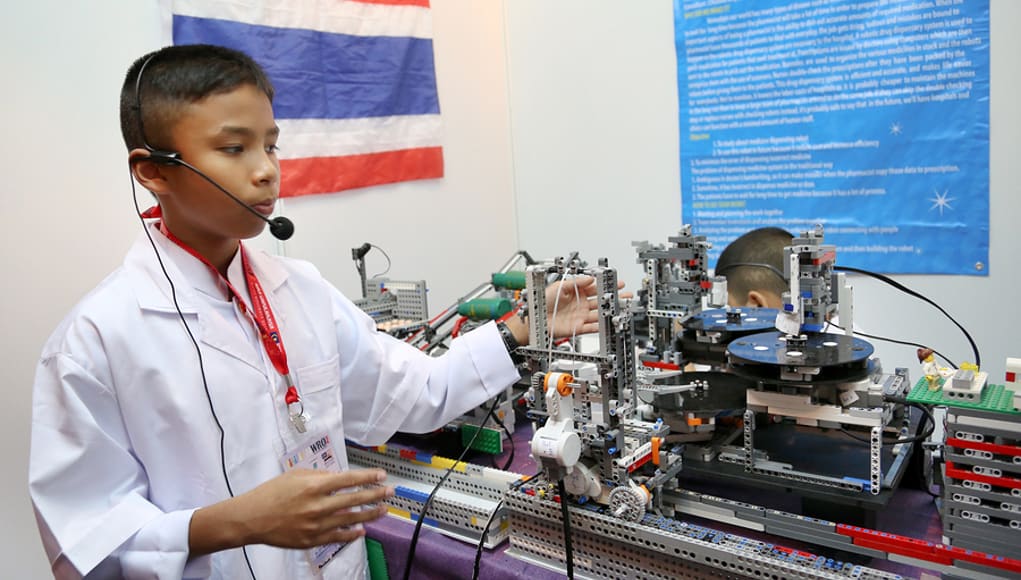
By: Tracy Derrell. Getting children started with STEM education in the early grades may get them started on a path towards vital and potentially lucrative careers, all while generating enthusiasm for learning and exploration.

By: Jim Shelton. There is growing evidence that when education is truly personalized, the shift can be profound, blowing away the expected “bell curve” that dictates a handful of failure, a bit of excellence, and a bunch of mediocrity in between.
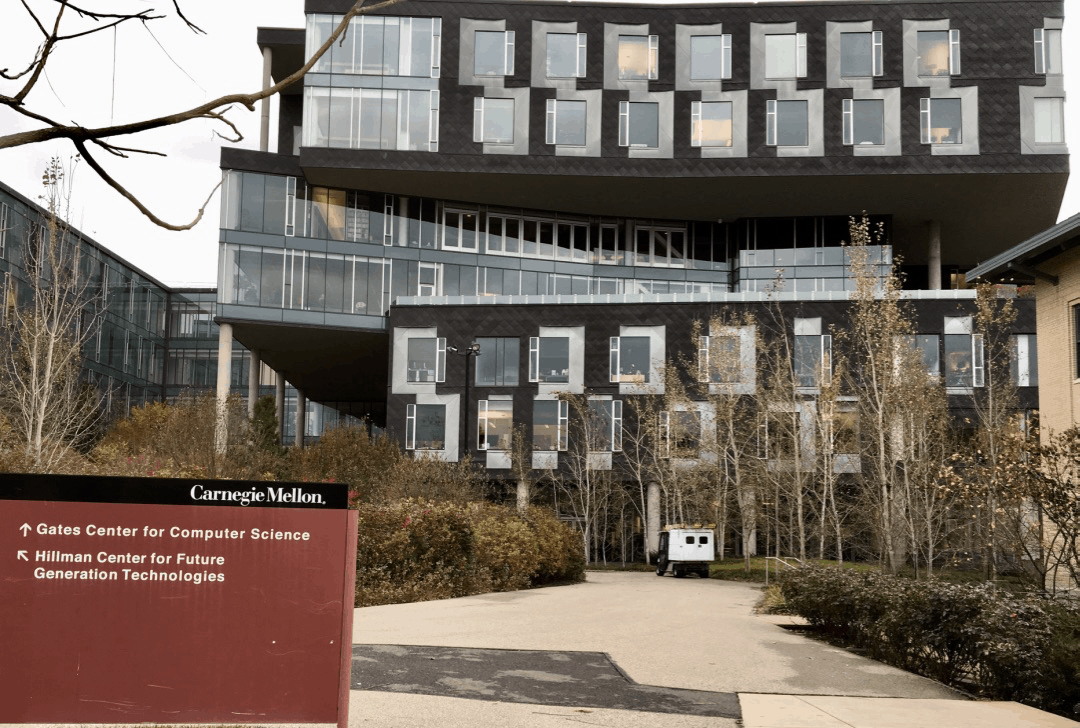
The third post in our 6-part #RemakeLearning series looks at CMU's partnerships with Pittsburgh Districts to advance education innovation and shape a new K-12 approach to computer science.
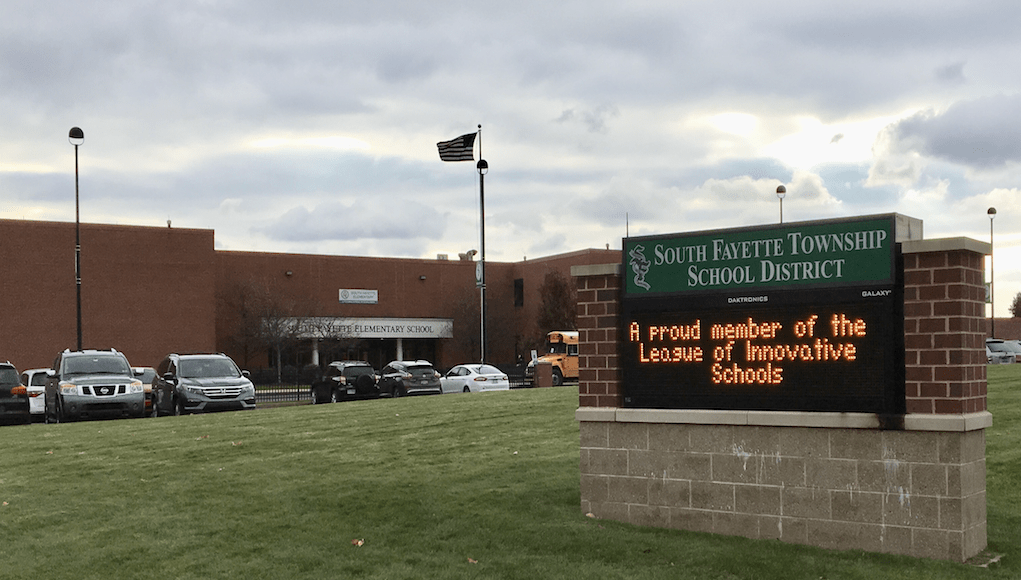
What do you get when you combine a makerspace, science fair and coding bootcamp? South Fayette School District, the best example of integrated computational thinking we’ve seen in K-12 education. Learn more in the second entry of our 6-part #RemakeLearning series here.

This week, the FCC will hold a vote on what is likely to be one of the most important issues of 2017: net neutrality. In this post, we look at what effects that could have on education.

The rift between technical and humanistic fields today is closing, and K-12 teachers and students will find online a host of digital humanities resources in three primary areas: human geography, historical archives, and text analysis.

An innovation economy will produce tremendous benefit and wealth--and both will be concentrated unless we decide otherwise. To extend US leadership in the innovation economy we’ll need to update our form of capitalism.