


Career & Technical Ed
element:where

By: Kate Sullivan Frades & Brinnie Ramsey. Improving formative assessment practices through design thinking can prove to be a productive challenge in school districts with well-established policies.

With the start of a new school year and Digital Citizenship Week coming up in mid-October, it's a great time to explore resources for teaching about digital citizenship. Read about five different resources for exploring the topic and creating learning activities for students.
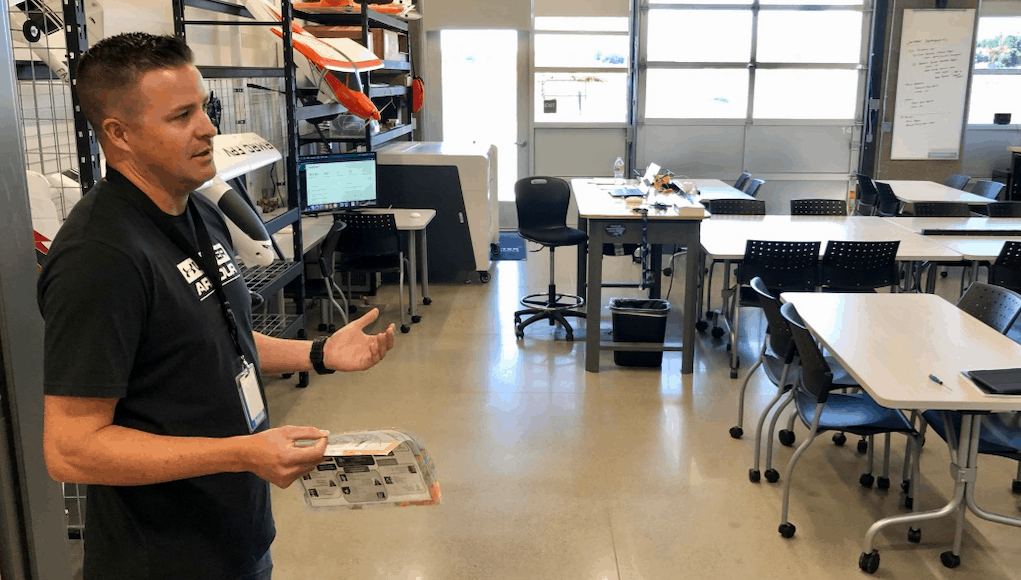
For 40 years, we’ve been talking about the aims and strategies of 21st-century learning. Now that we’re a couple of decades in, we have a pretty good view.
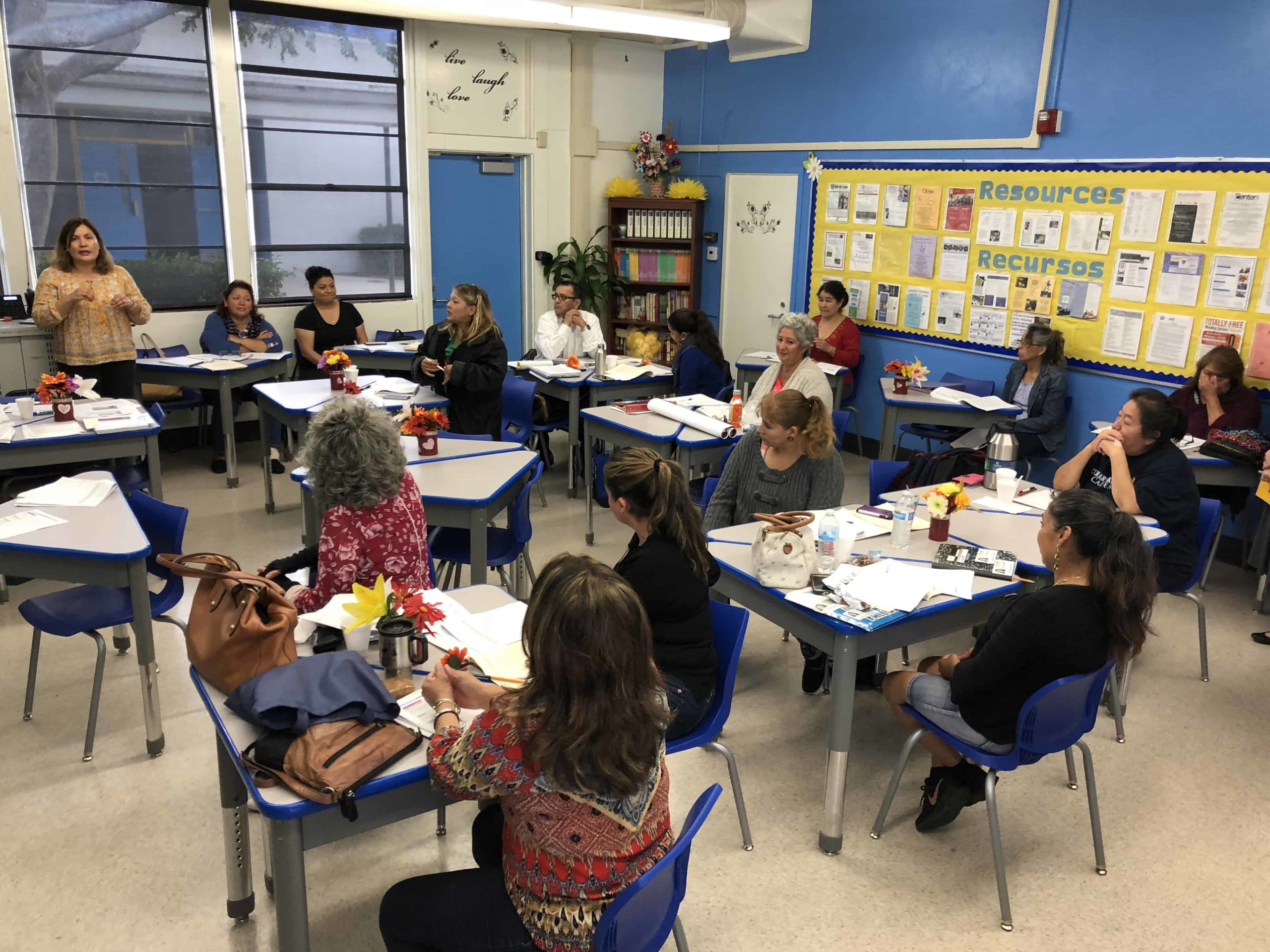
By: Jennifer Larson. The key to productive and positive parent engagement is a consistent and simplified flow of communication between school, home and all other stakeholders. Schools can take advantage of best practices to give parents more visibility into their child’s day-to-day.
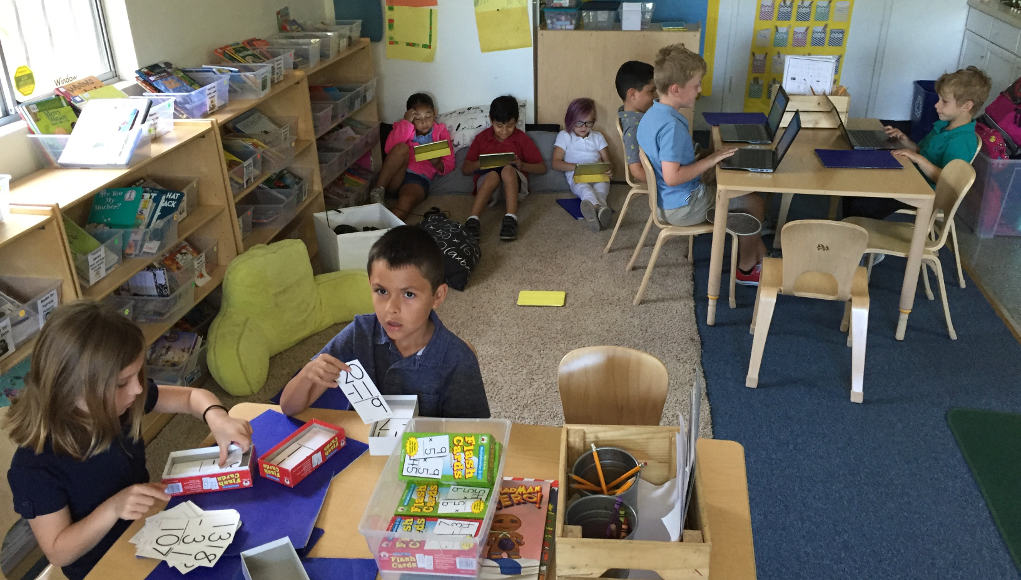
Finding ways to help students build collaboration skills in the classroom is important for preparing them for the future of work and learning. Here are five ways to open up more opportunities for students to collaborate in and out of the classroom.

Today on the podcast, Tom is speaking with Diane Tavenner and Mira Browne from Summit Public Schools (SPS) to discuss SPS and Diane's new book Prepared: What Kids Need for a Fulfilled Life.
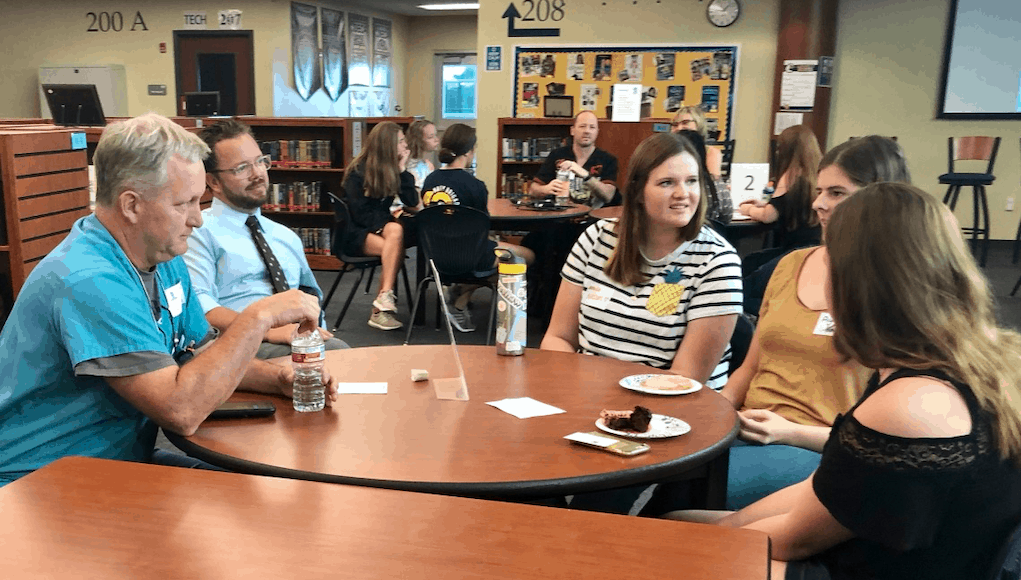
The largest effort to make high school more valuable—to young people and their communities—is underway in the six-county, two-state Kansas City metro area.

By: Rachelle Dene Poth. Ideas to get started with experiential learning and new ways to prepare students for the future through real-world opportunities.

Schools should not only prepare students for active participation in a networked, global economy, but also for lifelong learning. To do this, there are five critical concepts when planning instruction design for the future to consider.
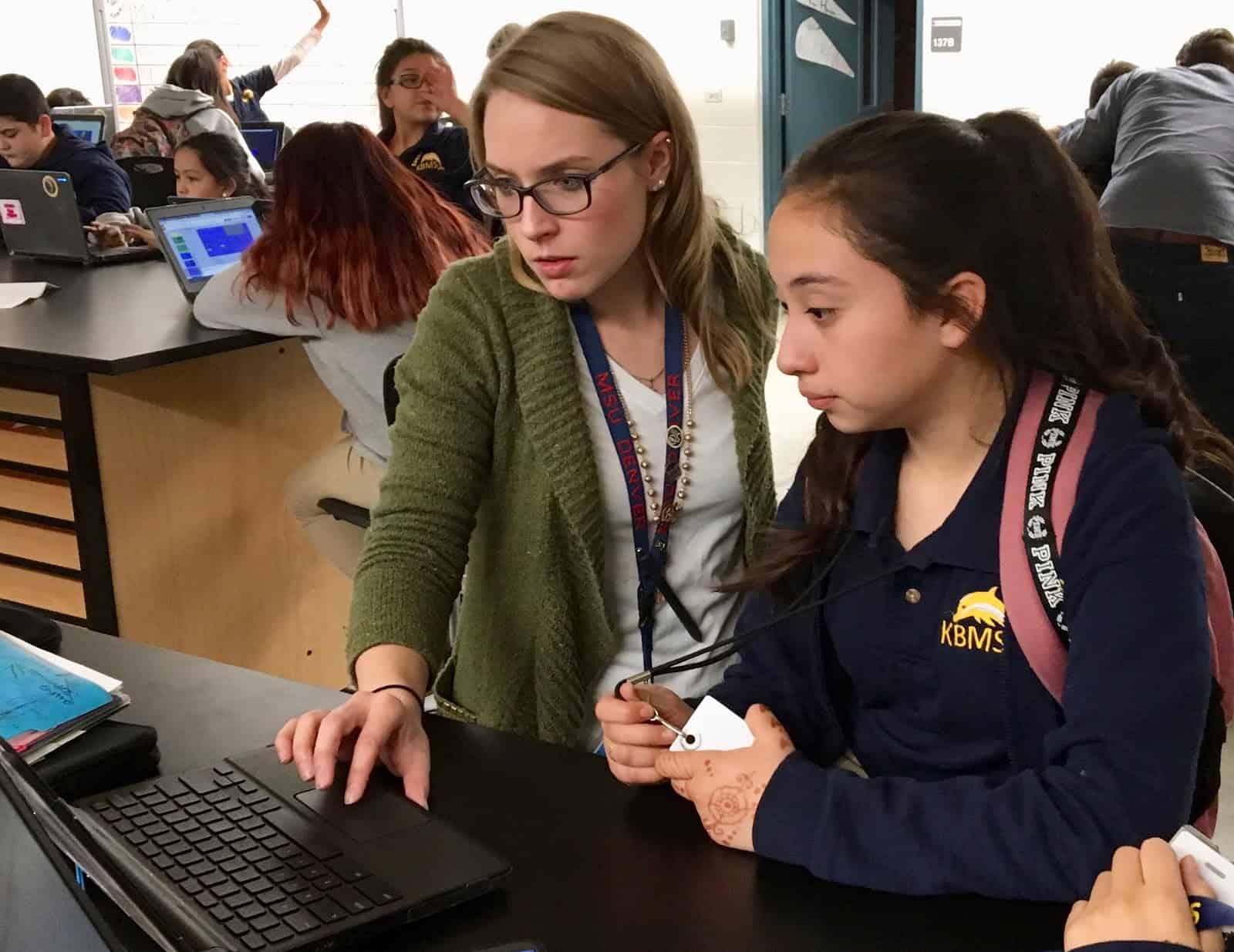
Good schools build relationships into their structure, culture and practices. Strong relationships build a sense of belonging, they cultivate success skills, and they promote achievement. Strong relationships today makes possible a lifetime of success.