


Career & Technical Ed
element:when

By: Jose Arenas. This blog cuts to the core about what parent advocacy and activism can look like in schools. If you want to move beyond the PTA and get political, Jose has inspiration and information for how parents can transform our schools.

Social media managers know what it feels like when social media is managing their life. Here are five tips to help keep it simple.

The most important K-12 innovation of the last twenty years has been new school development. The most important development of the last five years has been new tools. So, how can we evaluate this progress? We compare recent technology development against school model development.
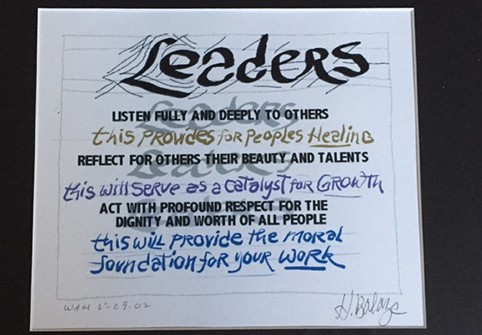
Leaders listen deeply and fully to others, reflect for others their beauty and talents, and act with profound respect for the dignity and worth of all people. For each of those key processes here are some connections for relationships, learning and design.

While at #PS2015, a graduate student at BYU asked me, "What other theories are being applied in education?" That may be the best question of the year and one that every school and district leadership team should ask themselves.

By: Elsa Randolph. We LOVE teacher bloggers. Especially those who are student-centered, innovative, and driven in everything they do. Moss Pike is one of those teachers.

Mastery tracking, fed by formative assessment, is fundamental to competency-based learning and any attempt to personalize. Here, we dive into 10 reasons why it is so important.
With the end of NCLB, a new frame is emerging that includes personalization, a competency focus, and work readiness. This new frame is evident in EdTech startups, new school grant programs, school district strategies, and emerging educator preparation programs.

The emerging vision for learning as a service is requiring more learner and parent decisions than ever. So, with all of the individual choices, how do we protect and advance the public good? The answer to this important question has eight implications for state and local policymakers.
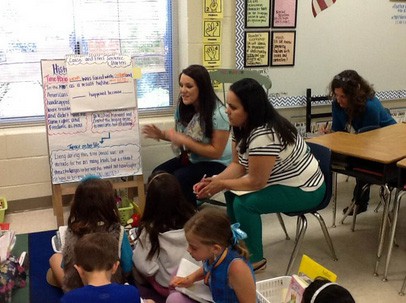
By: Dr. Mary Ann Wolf. If you’re looking for an example of a school leading in making learning personal, look no further than The Tar Heel State. Hawk Ridge Elementary may look like an average elementary school from the outside, but upon your first step inside you are greeted with open spaces and eager, empowered students who are encouraged to take ownership of their own education