

Archive
element:whats-next

On Spreading Learning Innovations: Pandemic Update
Innovations in learning is one of the most important change forces for good, and developing new ways to scale quality will be as important as new approaches to learning in the future.
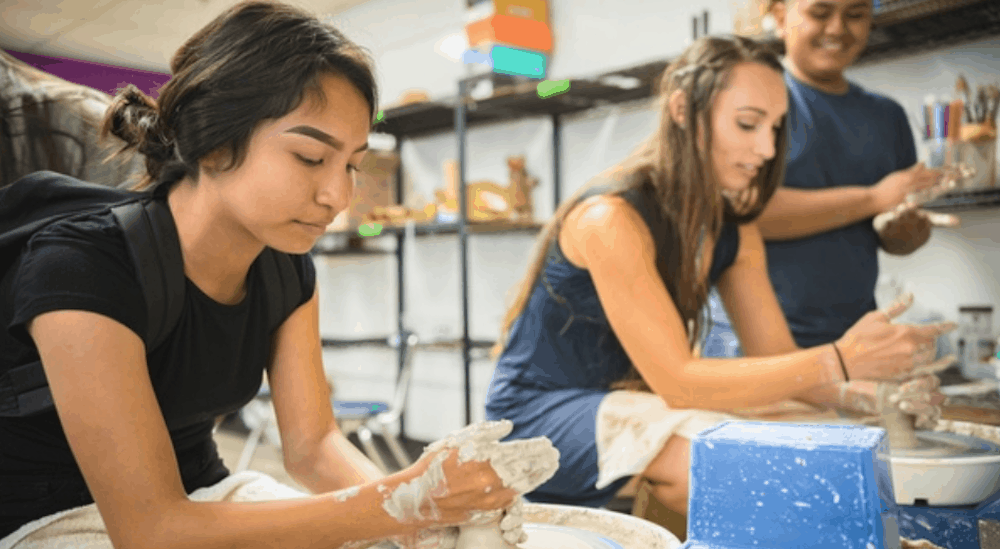
When Humans, Not Systems, Run Schools
By: Andy Calkins. Andy discusses how the districts in NGLC's change management project have transitioned to home-based learning with rapid design of new systems and communication.

Competency Tracking Tools Are Overdue
It’s time for modern solutions for schools trying to develop the 2030 workforce.
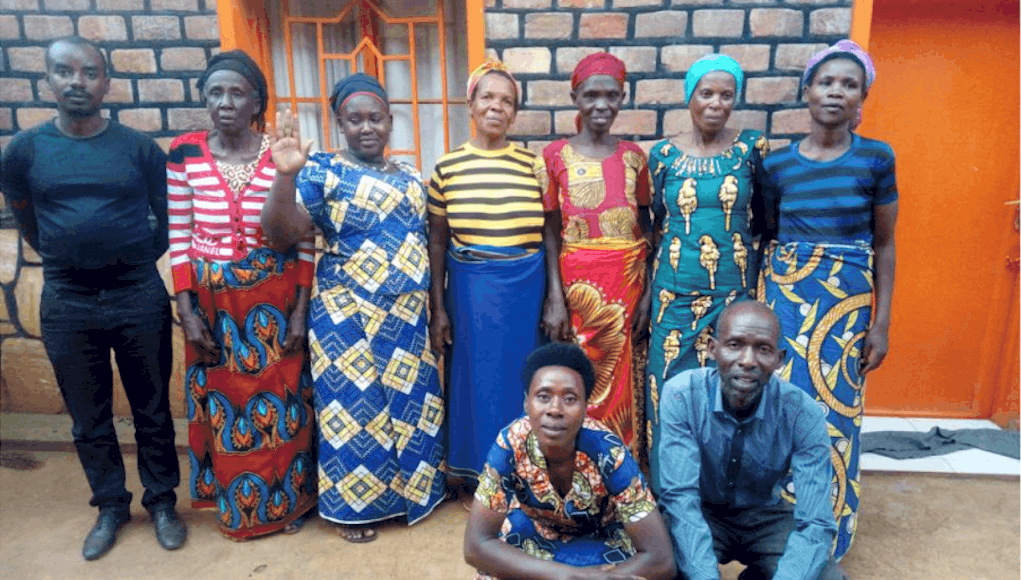
Empowering Youth to Address Real-World Problems
By: Matt Piercy. Using KIVA as a service-learning project in schools has the capacity to transform students’ lives while impacting the lives of others.

Building a Learner Variability Mindset
By: Tiffany Wycoff. LINC's Co-Founder and Chief Innovation Officer explains that to build a learner variability mindset, we must implement a new equation for teaching that includes strategically planning for variability beyond skill level.
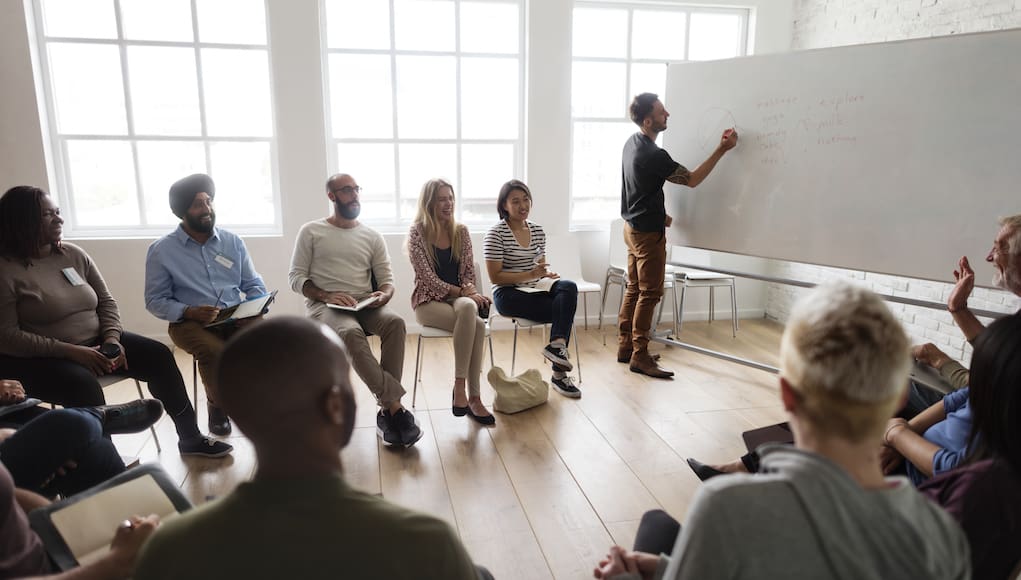
How a Focus on School Culture Can Save the Teaching Profession
By: Dr. Arun Ramanathan. To improve the quality of public education, schools should recognize the potential of cultivating its teachers' work environment.
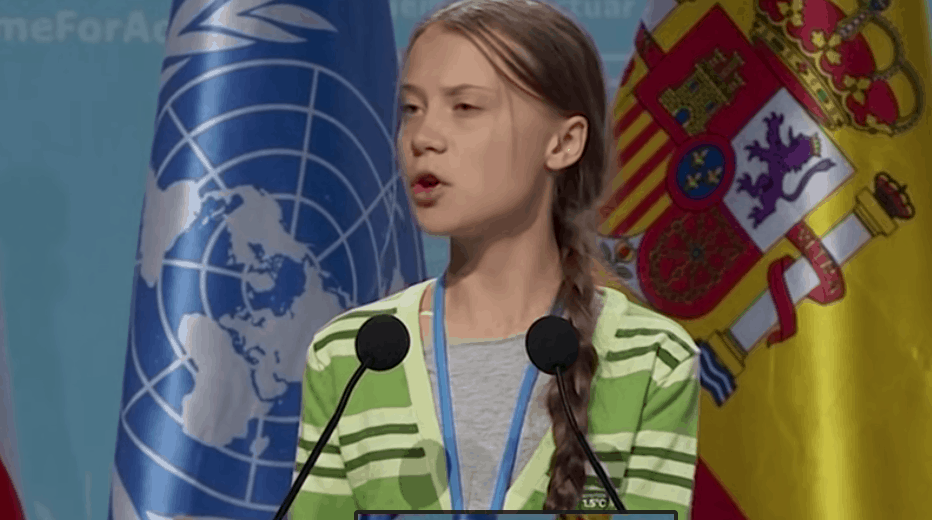
Difference Making: New Tech Makes it Easier than Ever
Introducing some of this new tech into high school entrepreneurship courses could teach students the importance of making a difference.
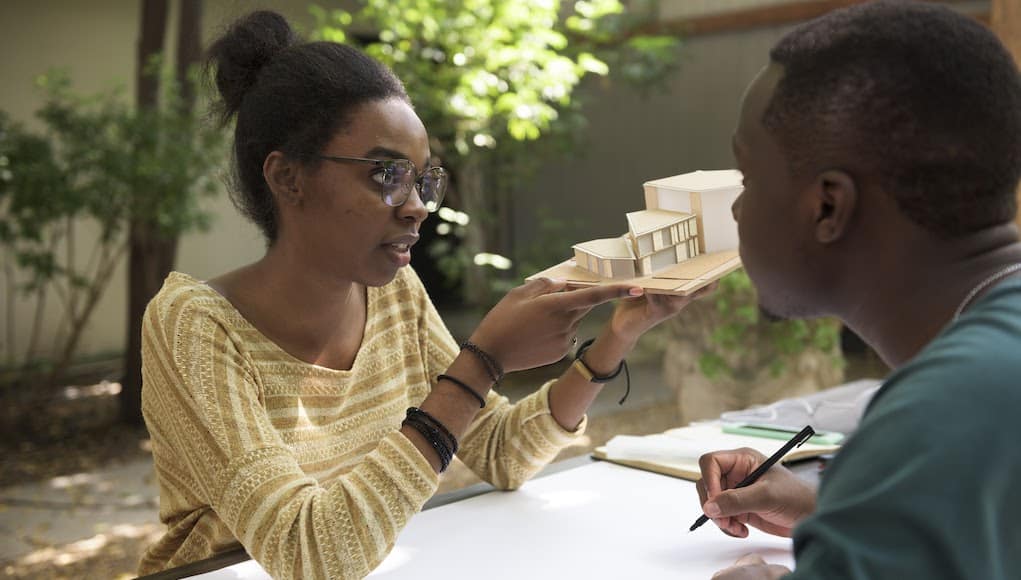
Getting Clearer: HQPBL As An Equity Imperative
By: D. Becton-Consuegra. PBL is a liberatory pedagogy. This is a call to action to be intentional in the ways we disrupt education inequities by using High-Quality PBL practices.
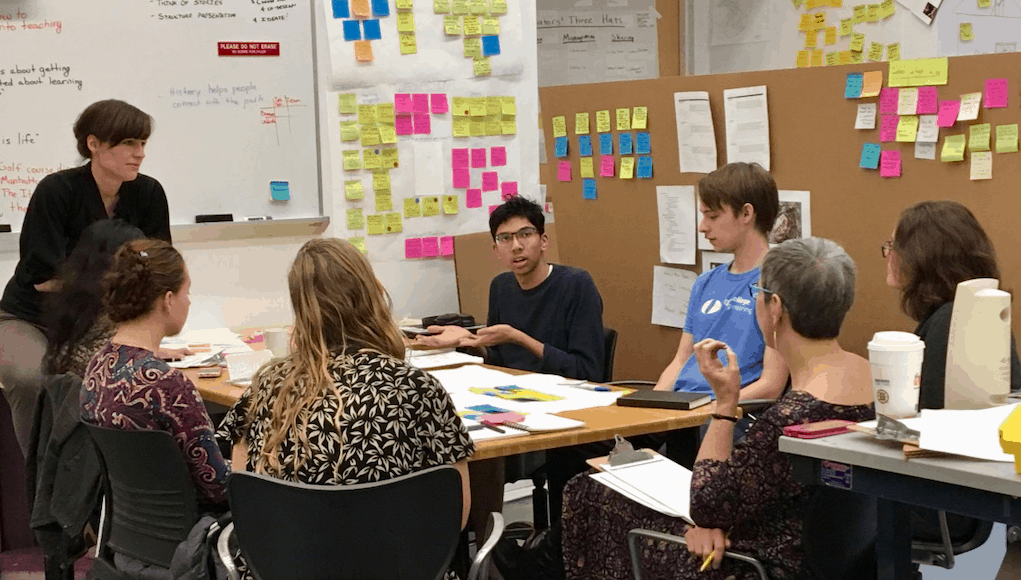
Where Can You Make the Biggest Difference?
Strengths and interests dominate our career choices, but what would happen if we added effective altruism in the mix?
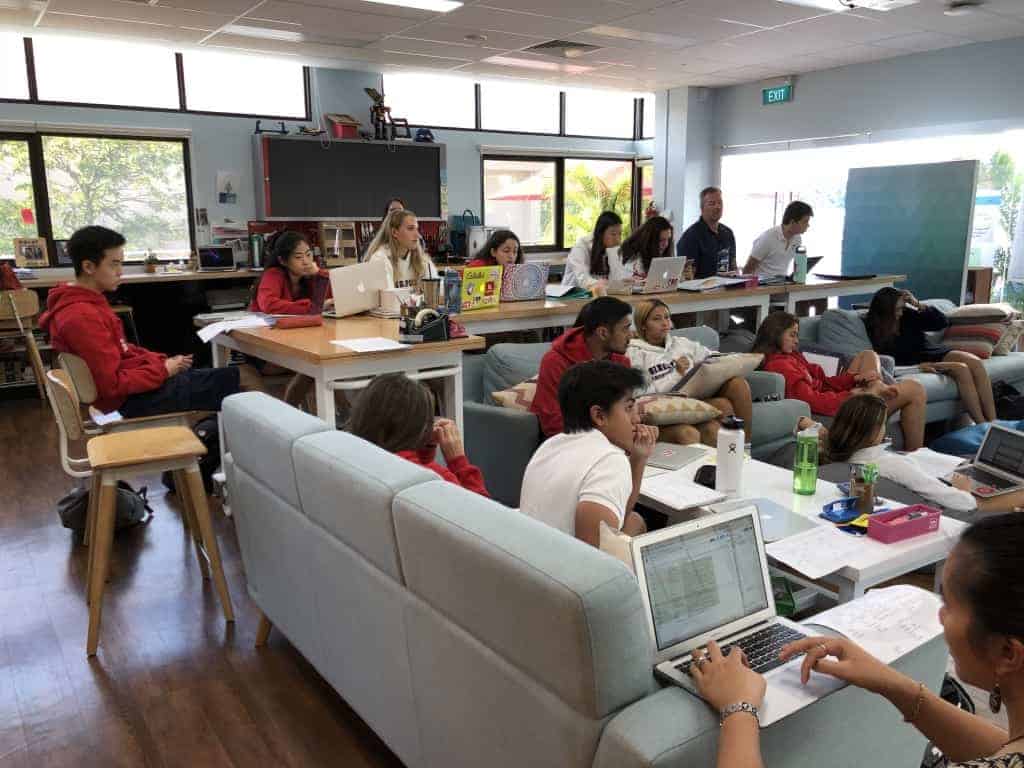
Alive With Possibility: 20 Tips for Creating Responsive Schools
Responsive schools create a culture of possibility for youth by giving voice to their interests today and exposing them to opportunities for tomorrow. They enable success in what’s next—in work, learning, and community service.