

Archive
component:how.learning-experiences
10 Burning Questions About Innovations in Learning
In preparation for the 2014 ASU GSV Education Innovation Summit, Mike Moe and Deborah Quazzo invited a group of advisors to contemplate the burning questions about innovations in learning. We discussed 10 big questions.
Preparing Teachers for Deeper Learning
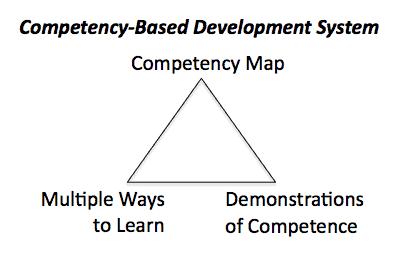
A system of teacher development linked to the needs of hiring entities that awarded licenses based on demonstrated competence would provide personalized development pathways for teachers and ensure well-trained teachers for schools.

Framing the Learning in the Blended Learning Environment
In a high quality competency based learning model, competencies are designed on conceptual understandings within and between a content areas. These ‘big ideas’ provide the deep, rich, conceptual connections across disciplines that invite strategic and extended thinking.
Preparing School Leaders
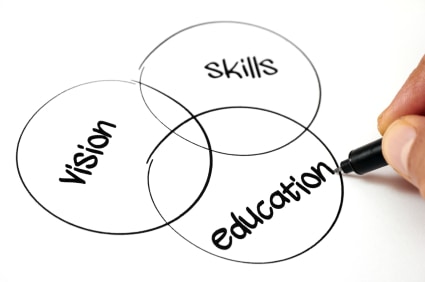
It's exciting and encouraging to see some of the folks training high performing leaders thinking about blended personalized learning for leaders--not just students. It suggests the potential for more efficient and effective replacements for the system of courses, credits, and credentials. However, enacting these ten attributes at scale would require new state policies governing licensure.
Would You Like to Play the Google Game?
The game was hosted on Google+, and as each player logged in to his or her district Google account, I explained how the game would be played. Once everyone had joined the sessions’ Google+ Community, I walked each group through the first level where they learned about the basics of understanding Google’s social networking platform.

4 Opportunities in Blended Special Education
We discuss the 5 critical decisions that schools and districts need to make (as outlined in the recently released, new & improved Blended Learning Implementation Guide) while considering special needs students:
Hypothesis: We Can Change the Learning Curve
My life is a hypothesis—that personal digital learning will change the world.

Teaching the Nature of Science
A 2010 study of three elementary students found that, “Although each had robust knowledge of instructional strategies for teaching NOS, teachers lacked the requisite knowledge of assessment that would provide a feedback loop to support continued development of their knowledge of learners and lead to improvement in their teaching of NOS” (Hanuscin and Lee 2010).

New Assessments for New Skills
Without measurement the teaching of collaboration is extremely difficult. The current challenge is how to develop Collaborative Assessment tasks, particularly formative assessments that align with local curriculum, contexts and needs.
Deeper Learning in High Need Schools
Many of the schools we studied this summer serve high challenge low income communities. They share six characteristics that appear to support the success of low-income students.