


Archive
component:how.design-principles

Leadership Mindsets for Breakthrough Leaders
5 mindsets and experiences to be nurtured and cultivated in preparing leaders for Deeper Leadership.

Design Thinking: A Human-Centered Approach to Innovation in Education
By: Sandy Speicher. We tend to think first about the needs of the system and create solutions from there. But what if we looked first to the needs of people, and then designed ways the system could meet its goals by serving these needs? This is the heart of how design thinking gets to innovative solutions.

Leadership for Education Innovation
By: Michele Cahill. At the heart of an ecosystem for learning is an ability to draw upon the assets of an entire city or community to support students as they grapple with the two primary tasks of adolescence: building competencies and forming their identities.

10 Principles of Sustainable EdTech Implementation
Regardless of what kind of technology is available to you, the Digital Age that we teach and learn in requires principals and teachers to stop asking why they should be using technology in the classroom and start asking how they can maximize the tools they have available to them to enhance student achievement.

8 Principles of Productive Gamification
Well constructed and applied, learning games and game-based strategies hold the potential to boost motivation, extent persistence, build automaticity, and deepen learning.

10 Sources of Inspiration for Next-Gen Learning Systems
Easier said than done, right? We could keep adding technology to current schools but that would just create a more expensive version of what we have.

Designing Inquiry-Based PLCs to Differentiate Instruction and Drive School-Wide Improvement
Schools that establish inquiry-based PLCs for the specific purpose of looking at student data to inform curriculum, instruction, and intervention are having the most success.
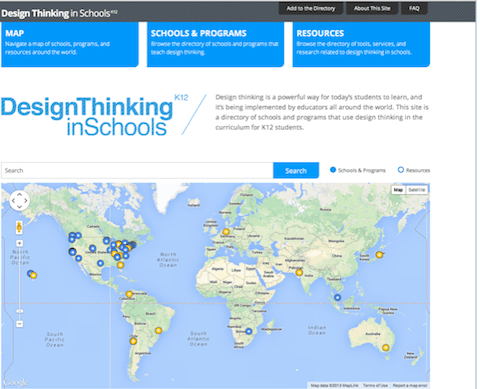
Design Thinking in Schools: An Emerging Movement Building Creative Confidence in our Youth
As we help today’s students build their foundation of core academic knowledge and skills, we also need to look at the ways we are helping our youth build their confidence in their abilities to create. From name badges to state economies, we need our youth to know that they can empathically and intelligently shape the world. We need to help them develop the tools to create change.

New White Paper: The 5 Legal Pitfalls District Leaders Must Avoid This Year
To help administrators avoid legal pitfalls related to special education, we recently held a webinar with Charles Weatherly of the Weatherly Law Firm. If you missed our SPED Ahead webinar, “The Five Legal Pitfalls District Leaders Must Avoid,” don’t fear. We are sharing these pitfalls in the new white paper.

Prizes to Promote Learning
While not an exhaustive list, there are four types of prizes that could prove to be useful in education. An example is provided in each category.