

Archive
element:for-whom

Personalized Learning
Magnifying the Power of Learning with e-Portfolios
Over the years, one of the major problems in higher education has been our inability to provide evidence of what students learn, particularly those broader skills and attributes critical to students’ future success. At a time when employers, parents, students, and society are demanding a new level of accountability for the rising costs of college, institutions that help their graduates present solid proof of what they learned will be at a competitive advantage.
Personalized Learning
What I’m Seeing: Show What You Know
It’s the beginning of the end of pointless post-secondary. Thousands of young people accumulated mountains of debt from college degrees that aren’t worth much–they didn’t learn much and they aren’t employable. The last two days in GettingSmart.com I’ve discussed the increased focus on outcomes and the development…
Personalized Learning
What I’m Seeing: Productive Post-Secondary
Wow, the edtech space seems to have exploded. The number and quality of startups is remarkable as is the inflow of talent and investment. Over the next weeks I’ll discuss some of the emerging capabilities I’m seeing in these ten categories: Productive post-secondary: taking outcomes and value seriously…

Personalized Learning
Deeper Learning Not Lighter Journalism
One thing that really disappoints me is newspaper reporters that try so hard to be cute that they miss–or botch–a story. Stephanie Simon from Reuters is a pandering case in point. After a number of my colleagues invested a lot of time with her discussing the Hewlett Foundation sponsored Automated…

EdTech
NYCan Makes the Case for Early College
NYCan just released Start College Early, Finish College Strong. Students participating in early college programs can earn up to two years of college credit while in high school and potentially graduate with an associate’s degree. As the NYCan blog says, “Right now, these programs are only reaching a small portion of the kids who need them most.” Read the story of Precious and tell me why we shouldn’t dramatically expand early college.
Personalized Learning
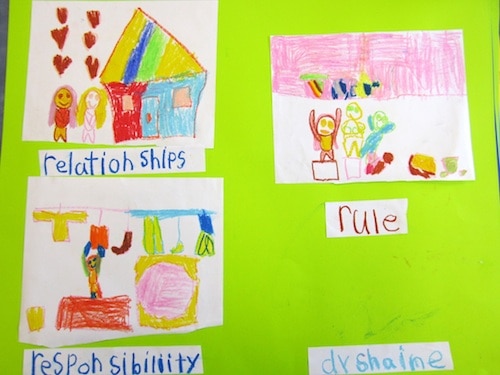
Can Six Year Olds Really Demonstrate Their Learning?
This week we finished up another one of our project based learning (PBL) or inquiry-based units in my first grade classroom. It had the grand title of rules, relationships and responsibilities.

EdTech
i-Ready is Ready for Prime Time
i-Ready's two components, adaptive diagnostic and standards preparation, provide a visually appealing and fun approach to educational materials. Both programs allow teachers, parents and administrators to follow the progress of every student down to the skill level. The diagnostic program not only identifies the grade level a student is at, but pin points the skills needed to improve and adapts lessons accordingly.

EdTech
US Grad Rate Inches Up–But Marshall Plan Needed
High school graduation rates are inching up to more than 75%, that's the conclusion of a report released monday. It's also good news that from 2008 to 2009 (the most current data available), the number of dropout factory high schools decreased by an additional 112 schools to 1,634. Compared to 2002 almost there has been a decline of nearly 800,000 in 'dropout factory' enrollment.

EdTech
Badges Will Be Big
We need a great Common Core-aligned merit badge system that motivates and recognizes achievement. It should be free and open. Badges should be awarded based on multiple forms of assessment. Badges should be linked to multiple forms of instruction. Badges will be a core component of emerging learning platform ecosystems.
Personalized Learning
10 Ways Big Data Will Improve Learning
The shift to personal digital learning will soon swamp our schools with more data than teachers ever dreamed possible. More and better data will inform educational decisions, lead to better public policy, and will boost achievement. It's time for schools, districts, and states to begin planning for Big Data.