

future of learning
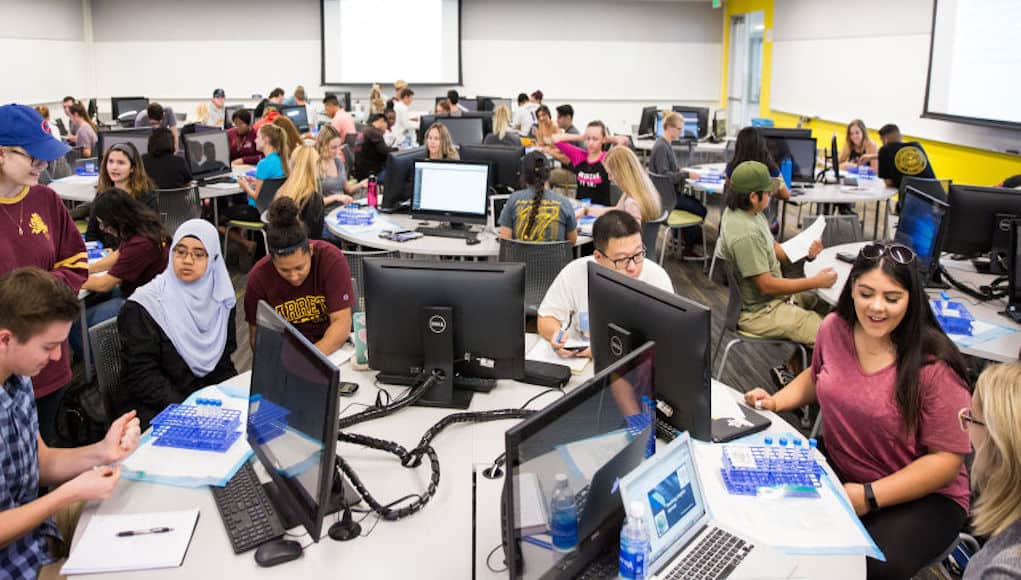
Arizona State Accelerates Progress with Adaptive Active Courses
Thanks to an initiative to bring adaptive active blended learning to classrooms, ASU is meeting students where they are and making class time high-value engagement.

Bad Bargain: Why We Still Ask Kids to Factor Polynomials and How We Fix It
Algebra has become an inequitable barrier to college and career. It’s time to stop making learners factor polynomials. It’s time to start using computers for what they’re good at--crunch big data sets. Stop asking young people to manipulate systems and start asking them to solve real problems.

Developing 21st Century Skills and Content Knowledge Through Dance
David Ross explores how dance experiences assist children in cultivating the 21st-century skills of creative thinking, collaboration, communication, global awareness, and self-direction.
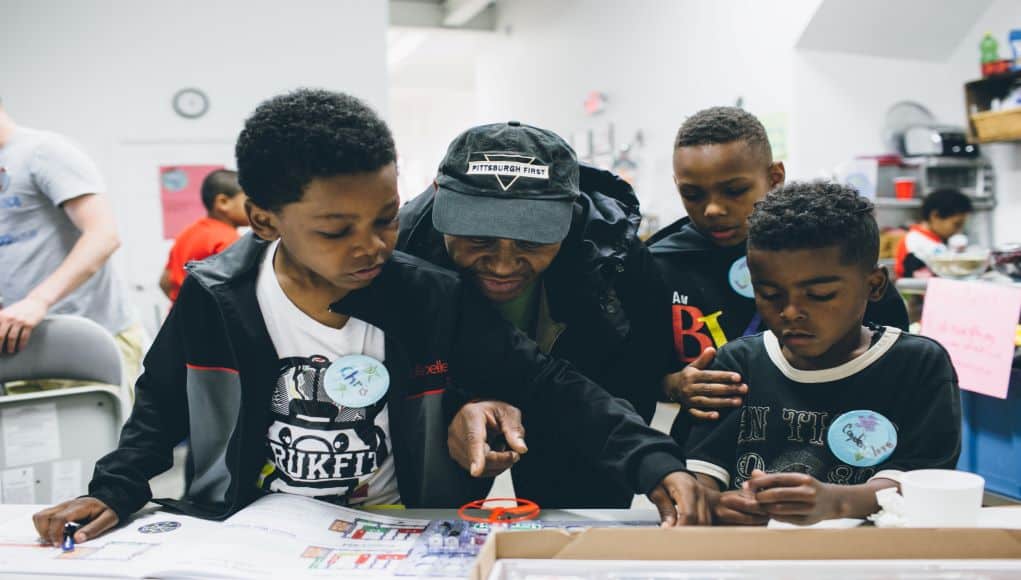
From the Neighborhood to the Nation: Remake Learning Days Takes Root Across America
By: Gregg Behr. After a successful inaugural festival, Remake Learning Days expands to include seven additional cities and regions to provide families with skills and opportunities to partner in supporting their students.
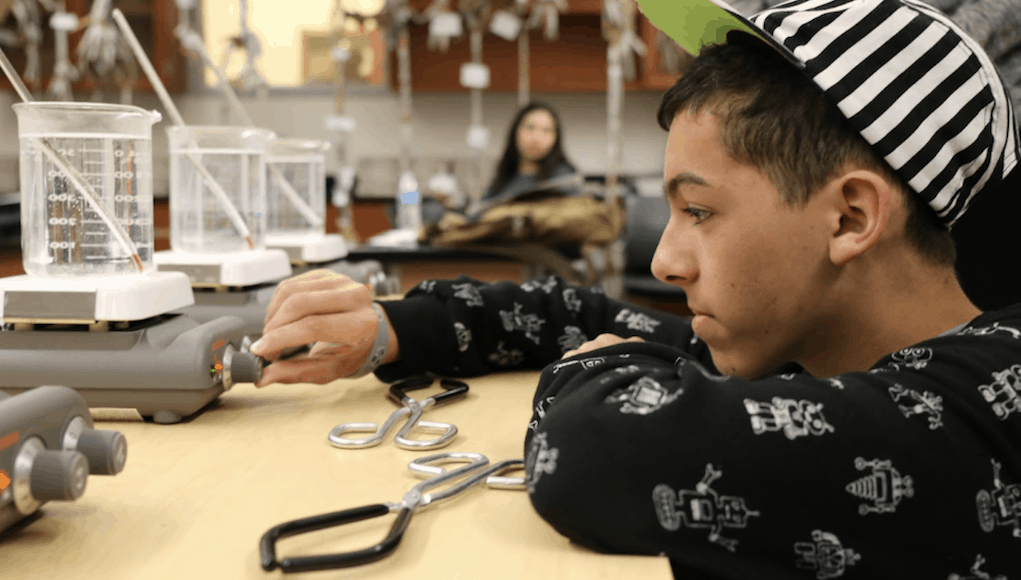
The Shift to Innovation Through the Power of Networks
Our latest report, How to Innovate: Options for School Districts explores innovation opportunities and identifies New Tech Network as an exemplar design partner for comprehensive school change.
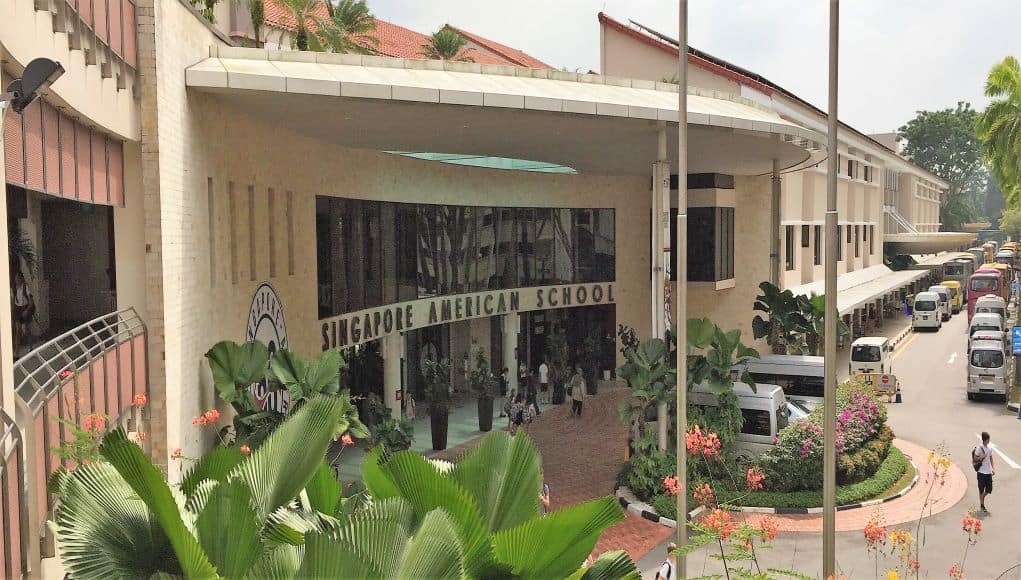
Transforming Education from the Inside Out: Singapore American School
Singapore American Schools proves that even large institutions, with excellent programming results, can continually improve in order to do what's best for all students. Read more about their success in this new case study.
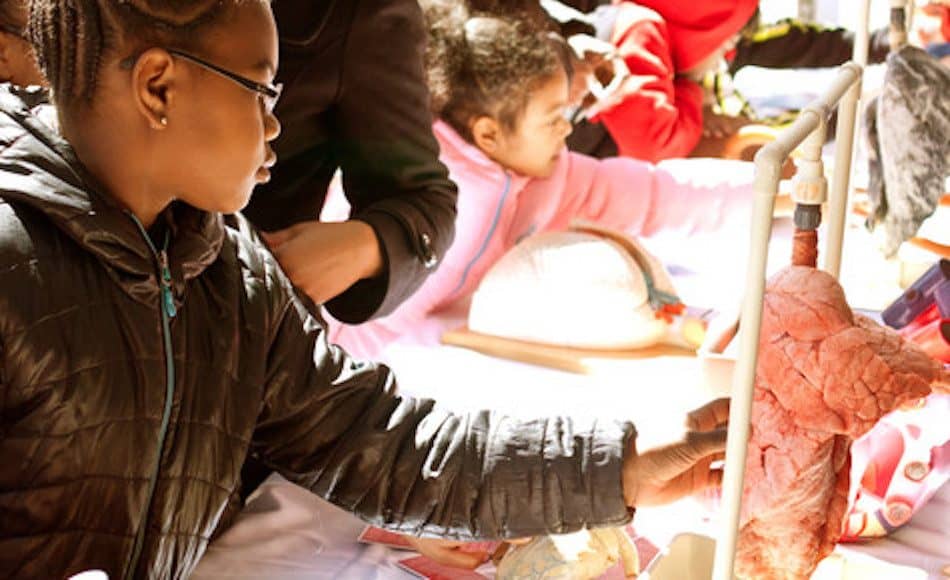
Place-Based Education Anchors Learning in the Community
David Ross explains how in Place-Based Education the nature of a place determines the culture of the classroom to an extraordinary degree.

No-Collar Jobs Offer Schools Chance to Create Mashups of Academics and Vocations
David Ross explains how no-collar and new collar opportunities do not require a four-year degree, rather vocational training, certifications and the right mix of in-demand skill sets.
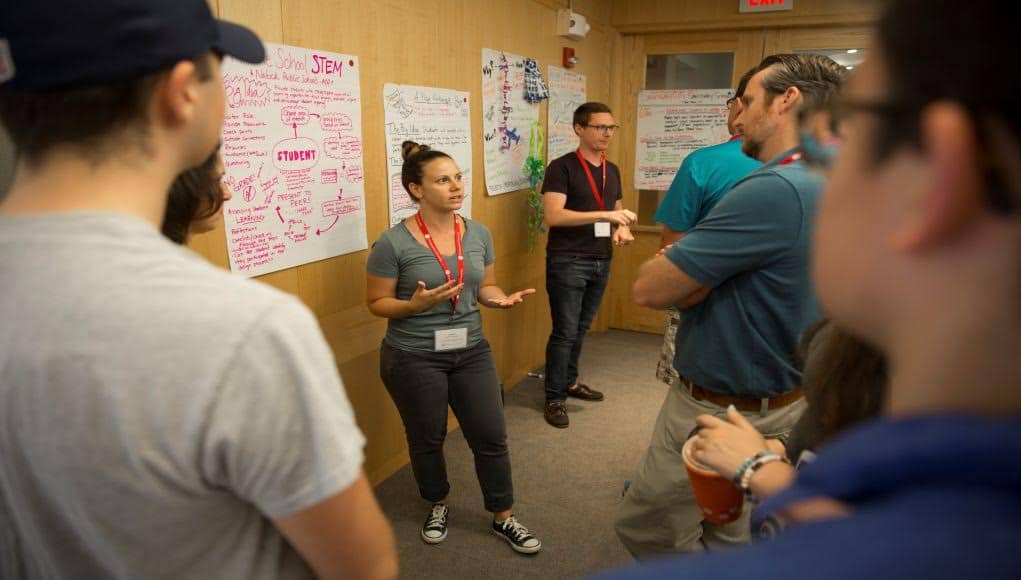
The Future of Learning, What’s NExT?
Northeastern University's NExT network delivers their vision of making experiential education accessible to learners at all levels. Join them in Seattle on March 16th!

Motivating Young People to Pursue the Professions of the Future
By: Mark C. Perna. As we approach uncertainty and excitement around the Future of Work, young people have to see a bigger why behind a company vision than just shareholder returns and making money. Learn more here.