


future of learning
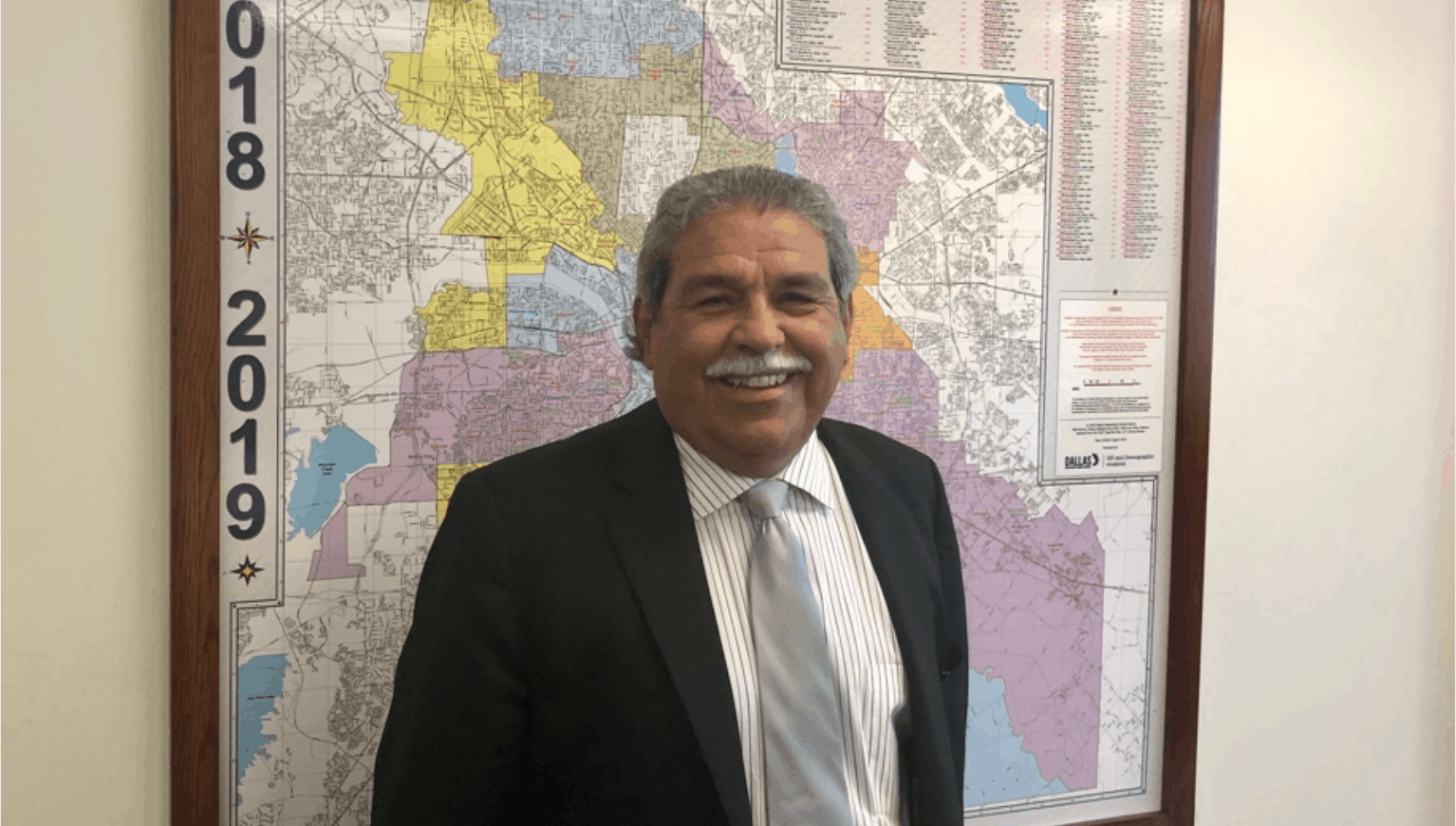
Making Dallas Schools Work for Students, Teachers and Business
Dallas is in his DNA. Dr. Michael Hinojosa grew up raised a family, taught and coached, and has served as superintendent of schools for Dallas ISD for 10 years. The biggest metroplex in the south, Dallas added more than a million people in this decade. It’s a global business…
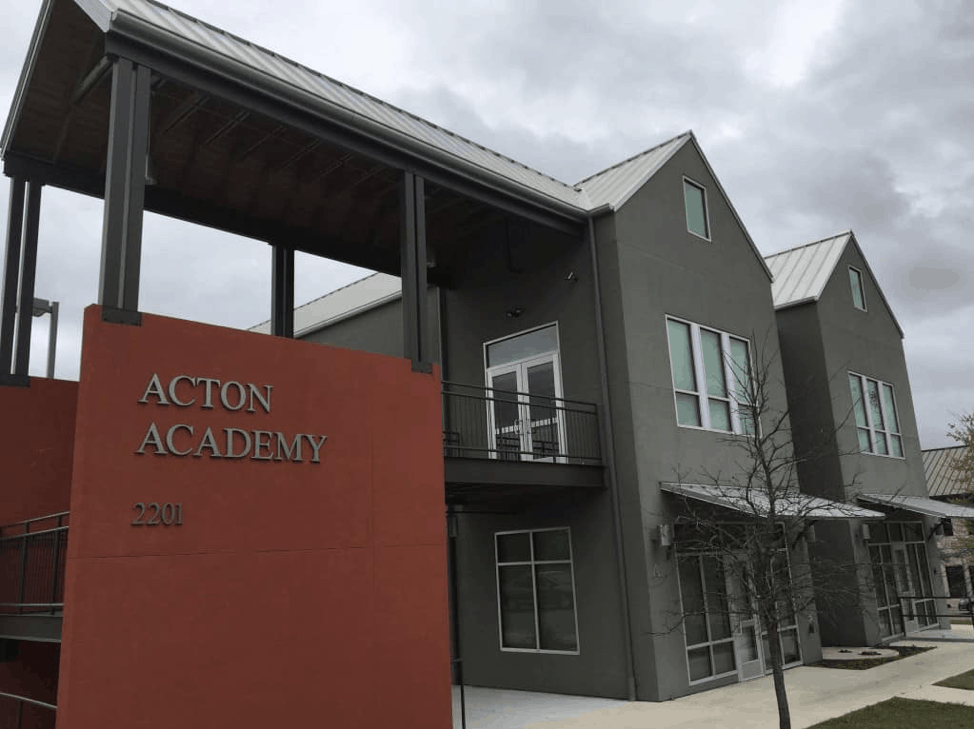
7 Ways Microschools Help Communities Innovate
What if you could start a school in six weeks instead of six years? What if you could launch a school for $50,000 rather than $50 million? What if you could test an innovation with 20 kids rather than 2,000? Microschools are popping up around the country. It may not…
Preparing Young People for Tomorrow’s World of Work Today
By: Cate Swinburn. The growth of automation and AI is changing the job market but Cate is optimistic about the experiences young adults can have to prepare them for the workforce.
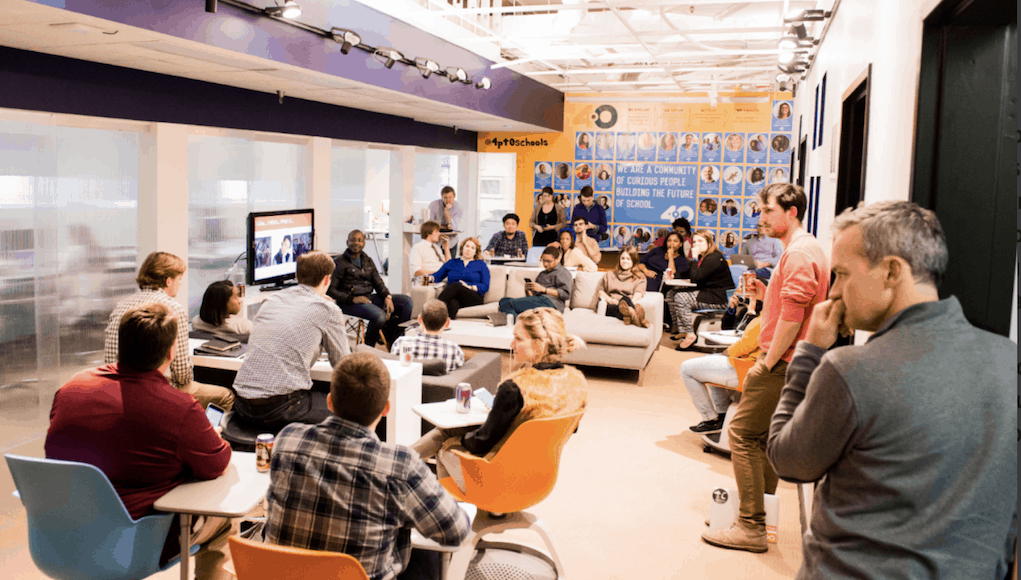
4.0 Schools Launches $15 Million Fund to Invest in the Future of Learning
4.0 Schools shares a three-part series announcing its new $15 million fund to connect, coach and invest in innovative ideas for the future of education.

Google for Education and the Future of the Classroom
Rachelle Dene Poth discusses a new partnership between Google for Education and Canvas8 and trends they have identified that will help equip students with the necessary knowledge and diverse skills.

Developing Skills for School, Work and Life Requires a Systematic Approach
Current research demonstrates that all learners develop college and career skills in a wave pattern that ebbs and flows, but constantly pushes forward to higher levels of expertise. David Ross explores this and other skill development models.

Schools That Get Outside and Empathize
By: Andrew Marinopoulos. Looking for a way to positively shift the culture of your learning community? Join Andrew as he highlights the importance of an empathetic approach to refreshing your mission.

Selective Attention Span Shapes the Length of Effective Instructional Experiences
Widely accepted claims about the decreasing attention span of learners may not be justified by current research. That research examines the nature of attention and creates new models for how we can better adapt instruction to maximize learning. Short instructional sequences such as micro-credentials and nano degrees fit into what should be a full spectrum of learning opportunities.
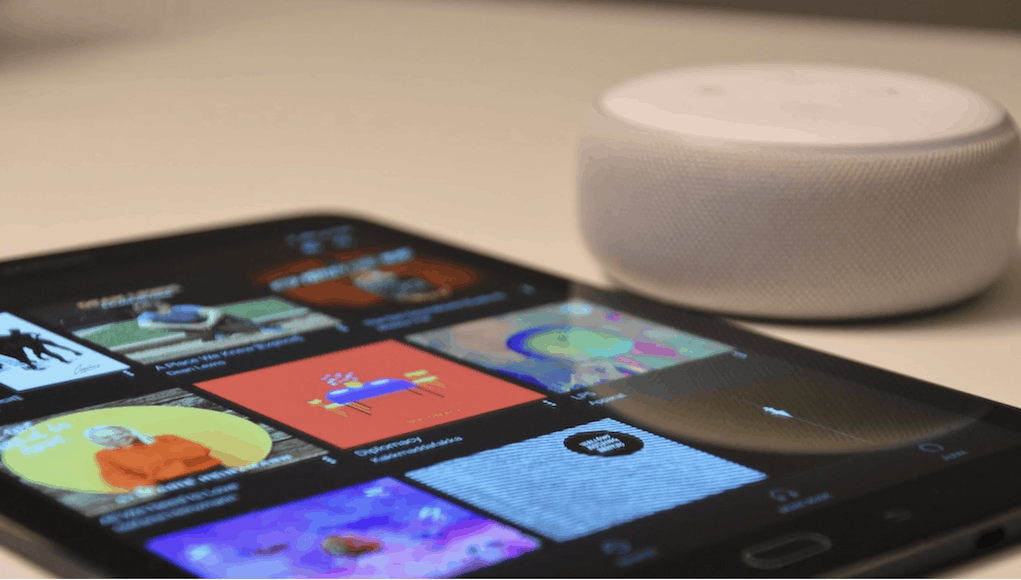
Students Use AI Virtual Assistant to Prepare Peers for High School
Students at David E. Williams Middle School use an AI Virtual Assistant to help students prepare for high school.

How Educators Can Prepare for the Future of Work
How do we prepare teachers so that they can, in turn, best prepare the students for the future of work? Rachelle Dene Poth shares thoughts on how educators can prepare themselves for the future through continuous learning.