


Career & Technical Ed
This week Getting Smart attended the ASU SkySong Education Innovation Summit 12 in Scottsdale, AZ. Amidst keynotes, sessions, hallway discussions and water cooler chatter, we overheard quite a few ideas from top education leaders, entrepreneurs, funders, and industry professionals.
Innovative education advocate Tony Wagner makes the case for preparing students for the innovation-driven economy in latest book. Profiles of successful young innovators are paired Microsoft Tags that link to original videos produced by filmmaker Robert A. Compton, to help enhance content understanding.
One day does not a trend make but ten trends were on display at the best edu-innovation of the year, the ASU Education Innovation Summit (#eisummit):
Awareness and understanding of current technology’s capabilities is the foundation of innovating that technology into the future. The bits and bytes are mere details; the important thing is an awareness of any given technology’s possibilities.

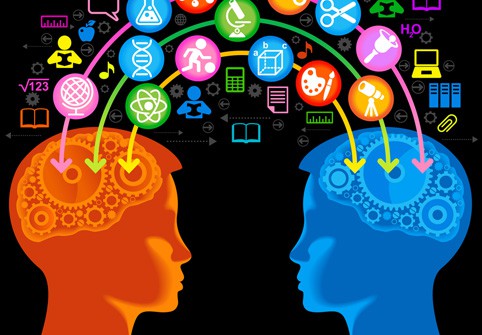
Jobs for the Future (JFF) recently released three papers as the beginning of a series in its new project "Students at the Center: Teaching and Learning in the Era of the Common Core." The first three papers focus on: What student-centered teaching and instruction looks like; How school districts can approach student-centered learning; and The brain function behind effective learning.

Having challenged, in my previous post for Getting Smart, some of the common notions we educators share about collaboration, I acknowledge that it is only fair that I take some time to wrestle with what collaboration really means and why it is so important as we prepare our students for the future.
The Center On Reinventing Public Education (CRPE) today announced Robin Lake as the new, acting director. After nearly 19 years as the head of CRPE, founder Paul Hill plans to step down from his position to focus more time on research and act as an advisor to the organization.

Well into the 21st century, we are still trying to get a handle on what a 21st century education really is – both the question of what young adults really need to know and be able to do and the question of the best way to help them get there. I first encountered this issue as a high-tech executive when coaching talented engineers through a series of workplace myths.

Many people argue that entrepreneurship cannot be taught. They point to college dropouts like Bill Gates and Steve Jobs, and insist that the ability to break out on one’s own is intrinsic. It isn’t something that you can teach, develop, or hone through experience. It’s natural.
The U.S. needs more college grads or more preciesly a more job ready workforce. A portion of that need will be meet via informal learning strategies and recognized by certification and badging systems.